Tender grape leaves rolled tightly around a filling of rice, yellow split peas, and a heavy hand of chopped herbs, then packed into a pot and simmered low. The Persian version is finished sweet-and-sour, the braising liquid sharpened with a syrup of sugar and either lime juice or verjuice so the little parcels arrive glossy and tangy. Served warm or at room temperature, several to a plate, with a spoonful of yogurt alongside. It is summer party food and a fixture on the Nowruz table.

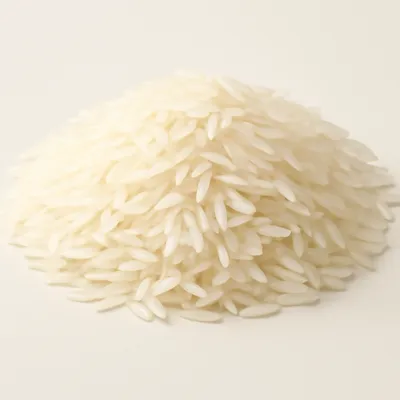
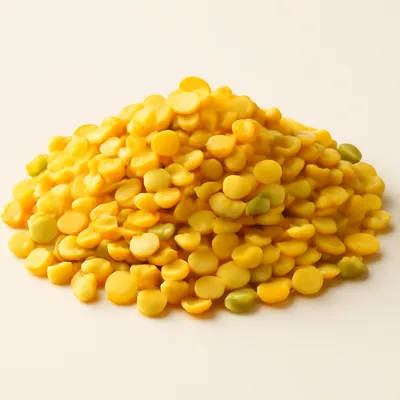


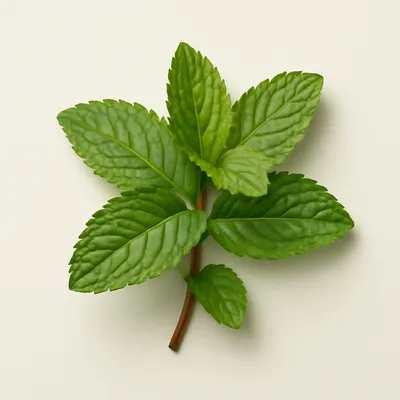
Stuffed grape leaves run across the whole eastern Mediterranean and the Caucasus, but the Iranian form is distinguished by its sweet-sour finish and its dependence on fresh herbs rather than meat. The dish belongs to the broad dolmeh family — a Turkic loanword for anything hollowed and stuffed — which entered Persian cooking and court manuscripts well before the Safavid era. Grape leaves are picked young and tender in late spring, blanched, and either used at once or brined for the rest of the year. The vegetarian, herb-forward version is the everyday one; a meat filling marks a more festive table.
Bite-sized cylinders, each the size of a thumb, the grape leaf gone soft and slightly slippery around a dense, grassy-green core of rice flecked with split peas. The first taste is herb — parsley, mint, dill, tarragon — then the sweet-sour glaze catches at the back of the tongue. The rice is cooked through but still has tooth; a good roll holds together when lifted and does not spill its filling.
The leaves are blanched briefly to make them pliable and to knock back the tannin that otherwise leaves a chalky bitterness. The rice is only parboiled before rolling — it must finish cooking inside the leaf, where it swells and absorbs the braising liquid; fully cooked rice would turn to mush. Rolls are packed seam-down and tight against one another, with a plate weighted on top so they cannot unfurl as they simmer. The sweet-sour syrup is added near the end and reduced, glazing the parcels rather than diluting them.
Variations
The herb-and-split-pea filling is the standard Iranian one; festive versions fold ground lamb or beef into the rice. Northern and Azeri cooks often skip the sugar and lean purely sour; Gilani kitchens may add a little tomato. Some households tuck a few barberries or chopped walnuts into the filling. When fresh leaves are out of season, brined leaves are rinsed of their salt and used the same way; cabbage leaves stand in where grape is unavailable.
On the Palate
Where Dolmeh Barg-e Mo sits in the Persian flavor cloud
Ingredients
Serves 6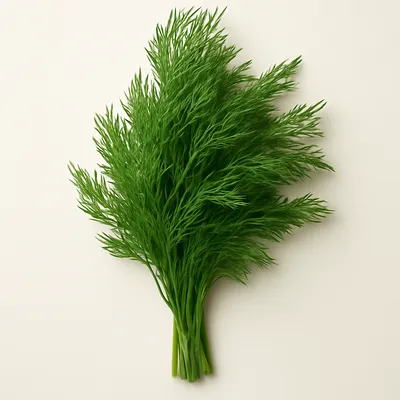

How it's made
7 steps · 50 min
- 15 min
Blanch grape leaves briefly in hot water, then drain and trim the stems.
- 210 min
Parboil the rice until half-cooked, then drain.
Watch outOnly parboil the rice to half-cooked before rolling — it finishes inside the leaf, swelling as it drinks the liquid; fully cooked rice turns to mush.
- 312 min
Saute chopped onion until soft, add split peas with water and cook until just tender.
- 48 min
Fold the chopped herbs, parboiled rice, split peas and seasoning into a filling.
- 525 min
Place a spoon of filling on each leaf and roll tightly, tucking the sides.
- 670 min
Pack the rolls seam-down and snug in a pot, weight with a plate, add water and simmer covered on low.
Watch outPack the rolls seam-down and snug with a plate weighted on top — this keeps them from unfurling as they simmer.
- 712 min
Add the sugar-and-lime syrup near the end and reduce until the rolls are glazed.
Archive tool suggestions — not reviewed
These legacy suggestions have not been evidence-reviewed and are not presented as required tools.

