A Mughal court sweet-savory rice preparation in which lamb is slow-braised with sugar, saffron, rosewater, and ghee, then finished under dum with par-cooked basmati rice; the result is golden and lightly sweetened, perfumed throughout, and topped with fried nuts and dried fruit — a ceremonial dish reserved for royal banquets.



The name derives from the Perso-Arabic 'mutajjan' ('fried in a pan'), pointing to a medieval Middle Eastern technique of cooking meat together with sugar and rice. The 14th-century Arab chronicler Ibn Fadlallah al-Umari recorded mutanjan being sold in Indian bazaars, eaten by commoners as well as at court. The sweet-savoury rice-and-meat dish was later refined in the Mughal royal kitchens, where tradition remembers it as a favourite of Emperor Shah Jahan served at ceremonial banquets, before passing into the Nawabi courts of Awadh to become a signature festive dish of Lucknow — where its modern, largely dessert form (multicoloured sweet rice with nuts, candied ashrafis, and garnishing sweets) took shape.
Each grain is golden and perfumed, soft but intact; the lamb is meltingly tender, its sweetness amplified by sugar and rosewater; almonds and raisins provide textural contrast; saffron's distinctive floral note lingers in the finish alongside a gentle warmth from whole spices.
Two-stage flavor development: in the braising phase, lamb caramelizes with sugar via Maillard reactions above 150°C, generating hundreds of sweet-savory aromatic compounds; in the dum phase, the sealed pot traps steam at 105–110°C which drives saffron's crocin (golden pigment) and safranal (floral aroma) and rosewater's geraniol into the rice grains through vapor absorption; the steam pressure also gelatinizes starch fully without the agitation that causes grains to burst, keeping each grain intact yet perfumed through.
Variations
Chicken muttanjan uses poultry with reduced cooking time and a lighter sweetness; vegetarian meetha chawal omits meat and adds khoya and extra nuts; contemporary versions use jaggery syrup instead of white sugar; some Hyderabadi renditions add kewra water alongside rosewater for a more complex floral profile.
On the Palate
Where Muttanjan sits in the Indian flavor cloud
Ingredients
Serves 6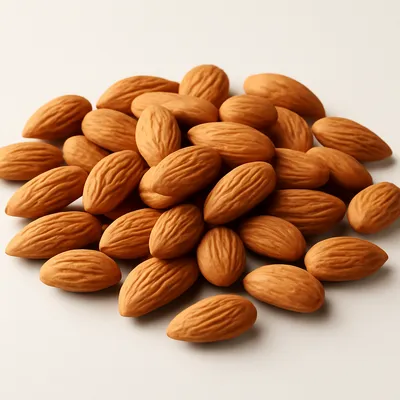


How it's made
7 steps · 30 min
- 130 min
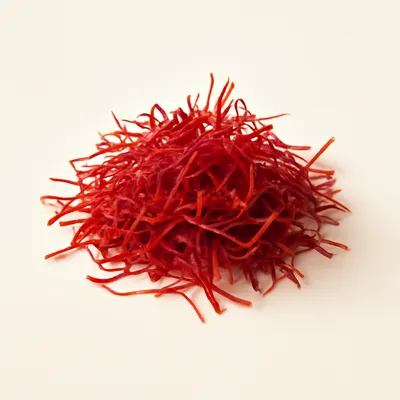
Wash and soak basmati rice for 30 minutes; steep saffron threads in 3 tablespoons of warm whole milk for 20 minutes.
- 215 min
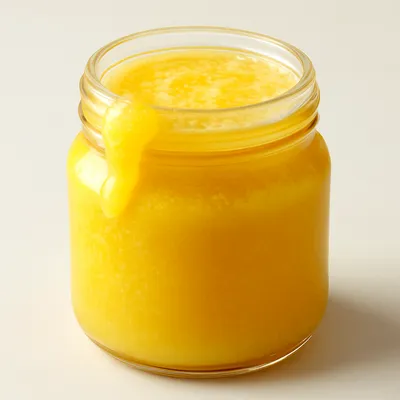
In a heavy pot, heat ghee and fry sliced onions until golden; add ginger-garlic paste and whole spices, cook 2 minutes; add lamb and brown thoroughly on all sides.
- 330 min
Add sugar, stir until it melts and coats the meat; pour in enough water to just cover, cover and braise over low heat until lamb is 80% tender, about 30 minutes.
Watch outStir the sugar until it melts and coats the meat in a glaze — that caramelized coating is where the dish's sweet-savoury depth comes from.
- 412 min
Bring a large pot of salted water to a boil; cook soaked rice until 60% done (a firm white center remains); drain immediately.
Watch outBoil the rice only to 60% — a firm white core must remain, because it finishes cooking in the sealed dum without going mushy.
- 55 min
Spread par-cooked rice evenly over the braised lamb in an even layer; do not stir.
- 65 min
Drizzle saffron milk, rosewater, and one tablespoon of ghee evenly over the rice; seal the pot lid tightly with a rope of soft dough to trap all steam.
Watch outSeal the lid tight with a rope of dough — trapping every wisp of steam is what drives the saffron and rosewater up through the rice.
- 730 min
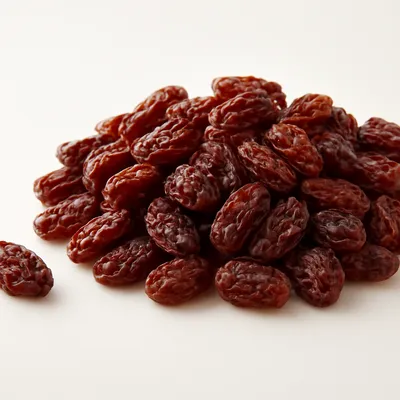
Place the sealed pot on a flat tawa over the lowest possible heat for 25 minutes; open the seal, gently fluff the rice, and garnish with fried almonds and golden raisins.
Archive tool suggestions — not reviewed
These legacy suggestions have not been evidence-reviewed and are not presented as required tools.


