



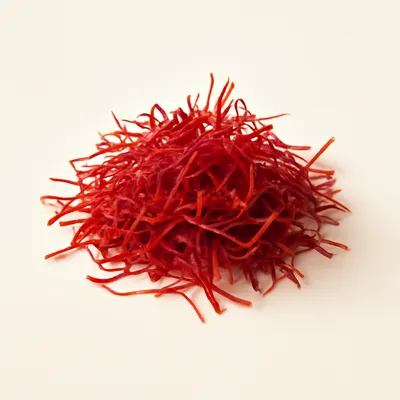
Zarda takes its name from the Persian zard, meaning yellow, after the golden hue lent by saffron or food color. A legacy of Mughal celebratory cooking, it has long graced Pakistani wedding feasts and Eid tables, where its bright, jewel-studded grains symbolize joy and abundance.
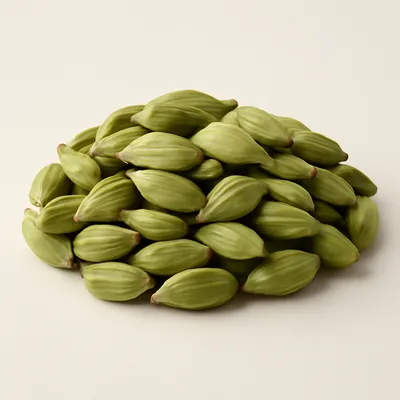
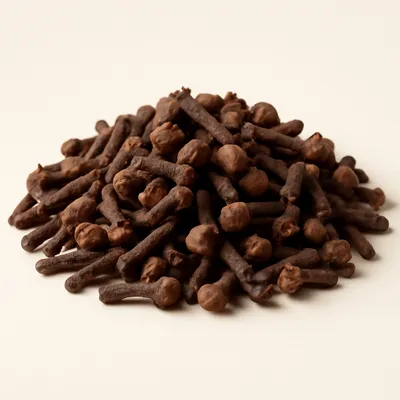
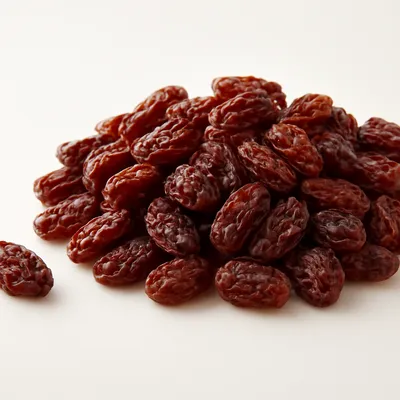
Fluffy, separate grains glisten with ghee and sweetness, fragrant with cardamom and clove. Bursts of plump raisins, crunchy nuts and chewy candied fruit make every spoonful festive and rich.
Parboiling then steaming the rice in syrup lets each grain stay separate and absorb sweetness evenly, while ghee coats the grains to keep them glossy and prevent clumping.
Variations
with khoya, motichoor zarda, coconut zarda, multicolored grains, with custard
On the Palate
Where Zarda sits in the Pakistani flavor cloud
Ingredients
Serves 6
How it's made
8 steps · 20 min
- 120 min
Soak basmati rice, then parboil it with a pinch of yellow food color or saffron.
- 23 min
Drain the rice once it is about three-quarters cooked.
Watch outDrain the rice at three-quarters done — fully soft now and it turns to mush once it steams in the syrup.
- 35 min
Heat ghee and gently fry cardamom, cloves and raisins.
Watch outFry the cardamom and cloves in the ghee just until fragrant — let them scorch and a bitter edge runs through the whole pot.
- 45 min
Add sugar and a little water and let it dissolve into a light syrup.
- 53 min
Fold the parboiled rice into the syrup carefully.
- 618 min
Cover and steam on low heat until the grains are tender and dry.
Watch outSteam on the lowest heat until the grains are tender but separate and dry — the ghee keeps them glossy and unstuck.
- 73 min
Stir through fried nuts and candied fruit.
- 82 min
Garnish with more nuts and serve warm.


