
Punjabi-Pakistani
Lahori karahi, slow-cooked nihari, naan from a tandoor.
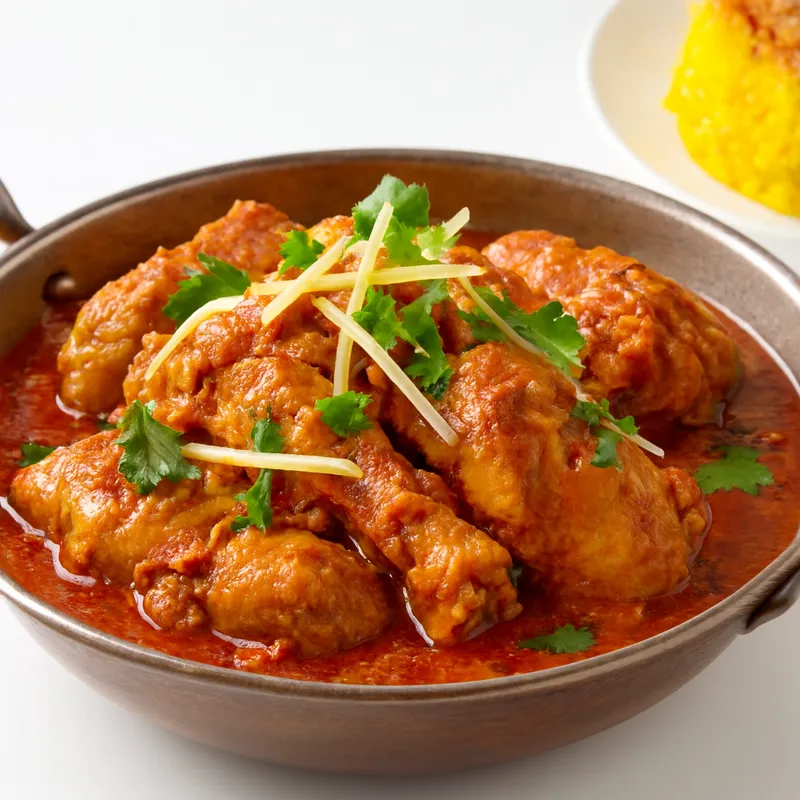
Chicken Karahi
A spicy chicken curry cooked in a wok-like pot called Karahi
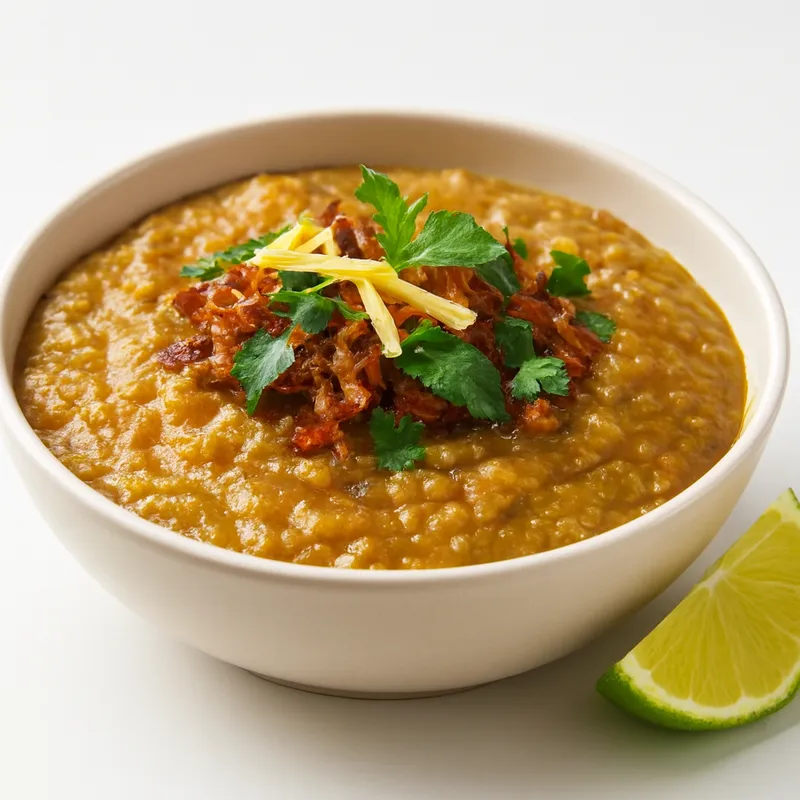
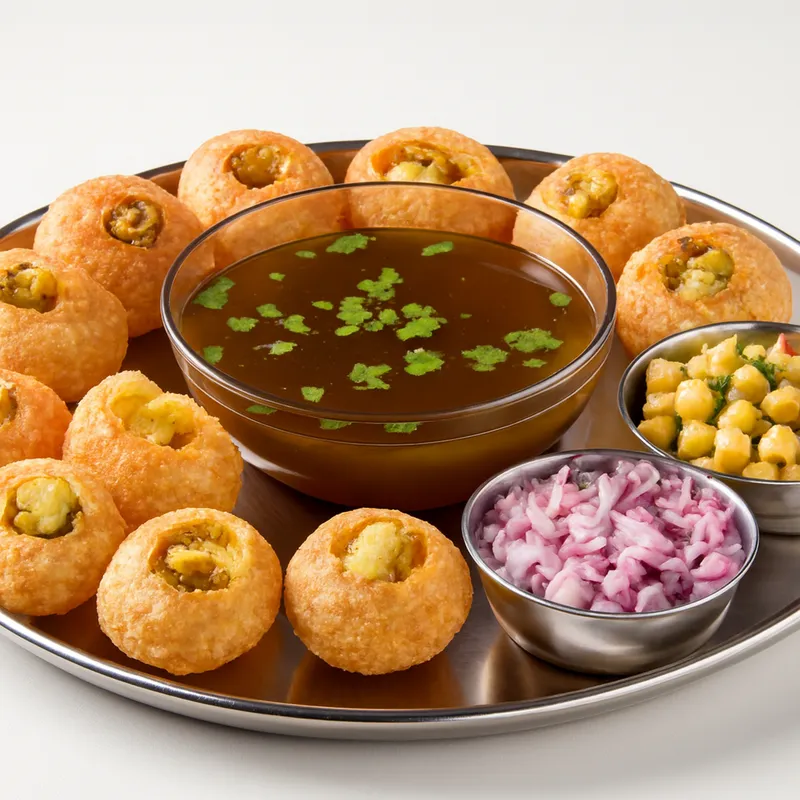
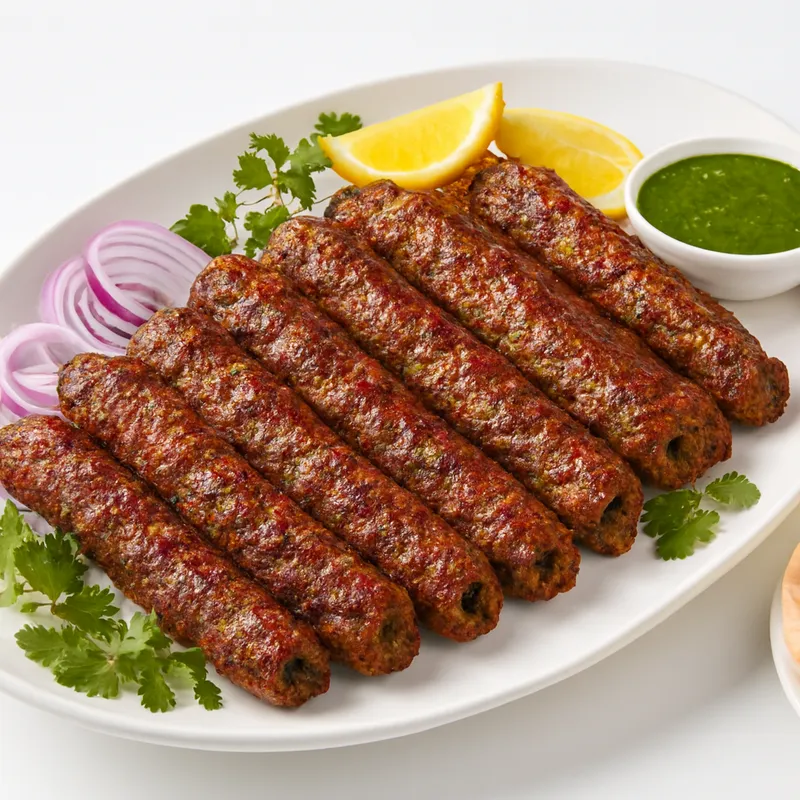
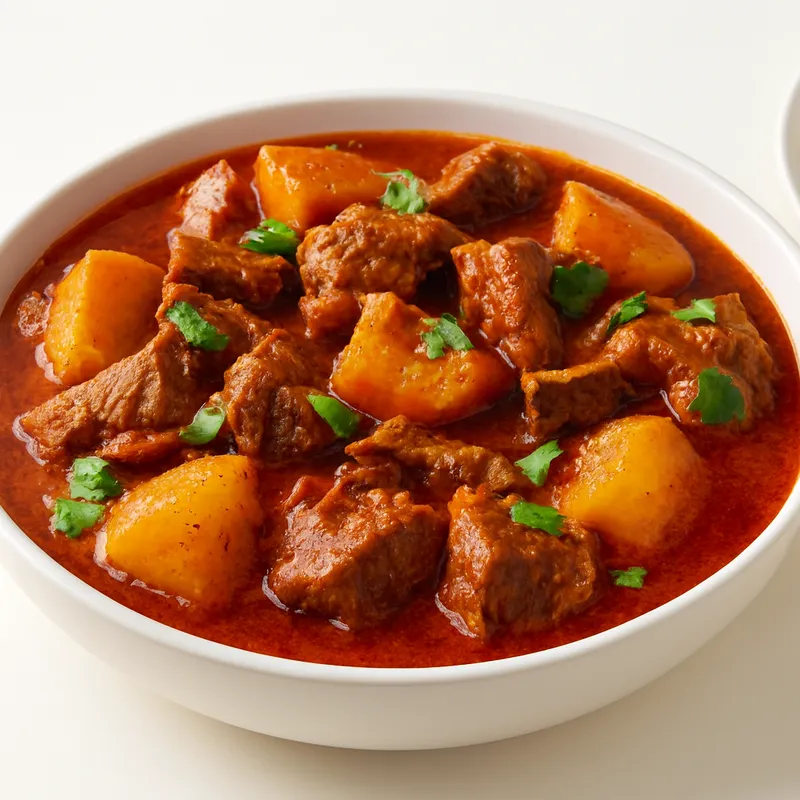
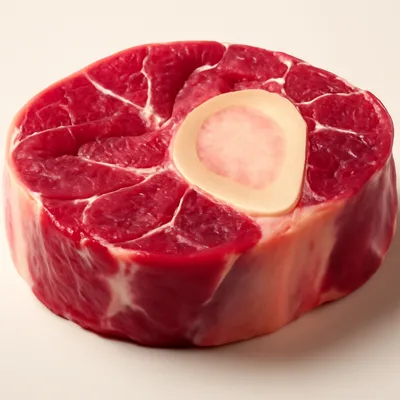
View page →Punjabi-Pakistani is the cuisine the rest of the world thinks of as 'Pakistani food'. The restaurants of London, Dubai, and Toronto are pouring Lahori. Karahi sizzles tomato and ginger around bone-in chicken; nihari simmers overnight with marrow bones until the gravy clings glossily to a spoon; paya is the dawn soup that follows a wedding. The bread game is just as serious — naan slapped against the tandoor wall, sheermal stained gold with saffron-milk, the heavier roti for everyday. Even the desserts are Mughlai-tinged: gajar ka halwa cooks for hours in milk, kheer is rice and milk and patience.
What makes this kitchen distinct from across-the-border Indian Punjab is the proportion of heat and the centrality of meat. Where Indian-Punjabi balances meat with vegetable curries and lentil dishes, the Pakistani-Punjabi table leans more single-mindedly carnivore: mutton, beef, chicken, in karahi and kebab form, anchored by rice or bread. The everyday food — daal chawal, aloo gosht, saag — is honest, and the celebration food — pakistani biryani, paya, mutton qorma — knows it's putting on a show.
The Pantry




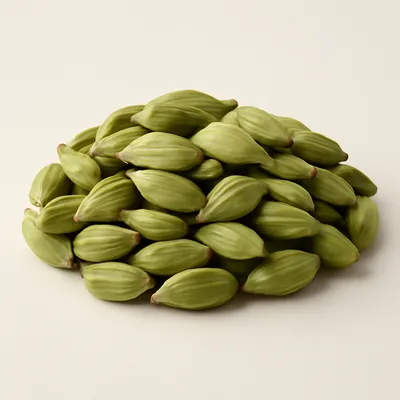
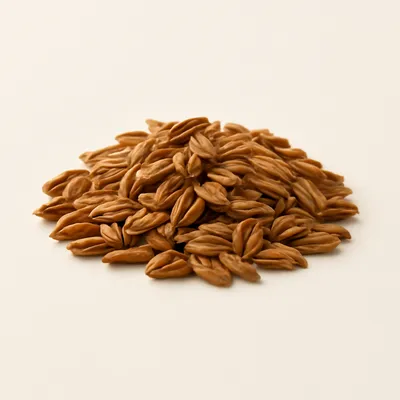

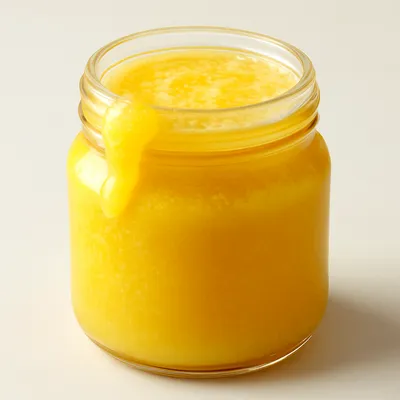
See all 89 ingredients›







Herbs & Spices














Sauces & Condiments



Other

How They Cook
Techniques that define this cuisine
Kindred Kitchens
Cuisines built on the same signature ingredients
Other regions
Siblings within Pakistani — each its own tradition.