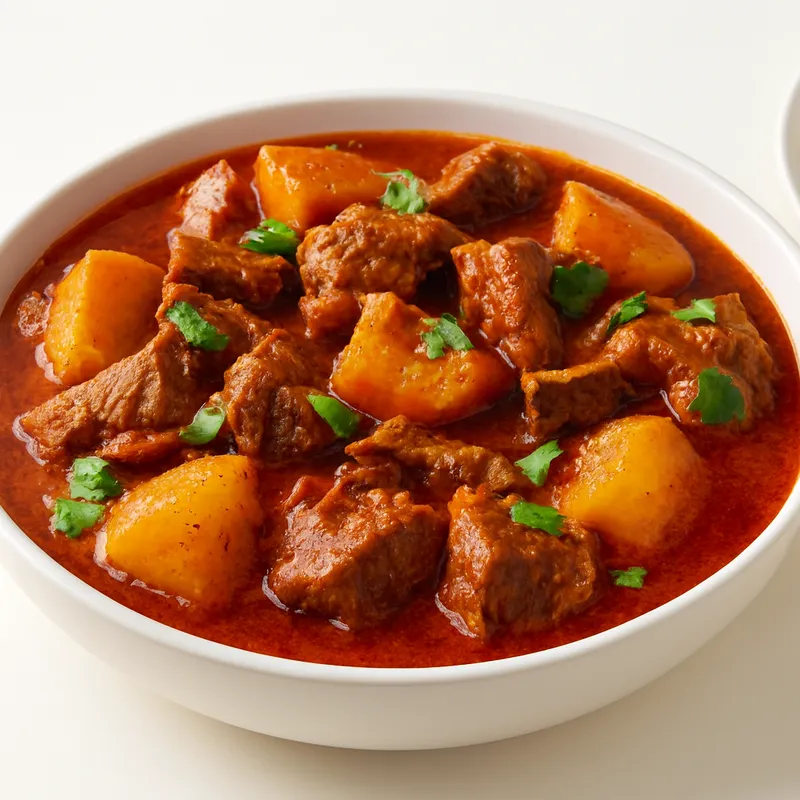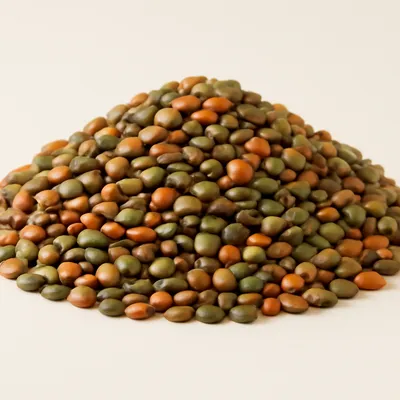
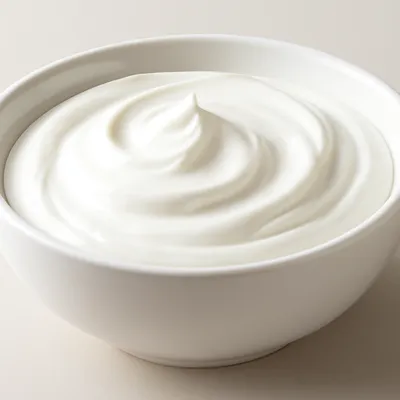
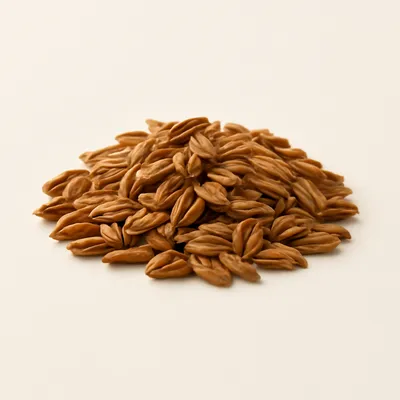
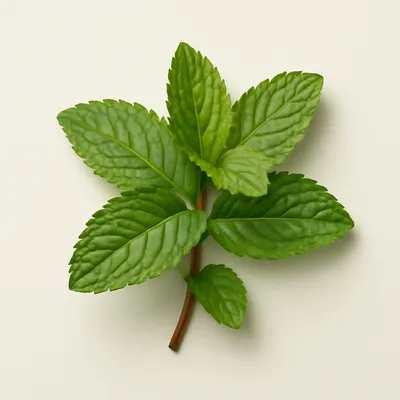


From the chaat tradition of the Indian subcontinent — recorded as early as the 12th-century Sanskrit Manasollasa and elaborated in 18th-century Mughal Delhi — court physicians supposedly prescribed sour, spiced, cooling snacks to counter the bitter Yamuna river water. After Partition the dish moved with Punjabi migrants into Lahore and Karachi, where it became a Ramadan iftar fixture: cold yogurt and quick sugar, ideal after a fasting day. The Pakistani version usually uses a thicker, sweeter yogurt than the Delhi original.
From the chaat tradition of 17th-century Mughal Delhi — court physicians supposedly prescribed sour-spiced-cooling snacks against the bitter Yamuna river water. The soak-and-squeeze step is the whole game: a fresh fritter is dense and oily, but 15 minutes in warm water and a gentle press swaps trapped oil for water, making it spongy and absorbent.
Soft urad-dal fritters that have been soaked in water then squeezed dry, sitting in a pool of cold whisked yogurt. Drizzled with sweet tamarind chutney, green coriander chutney, a dust of red chili, roasted cumin, and chaat masala. Spoon collects yogurt, fritter, both chutneys at once. The fritter should yield like a wet sponge, not chew like a doughnut.
The soak-and-squeeze step is the whole game: a freshly fried bhalla is dense and oily; submerging it in warm water for 15 minutes and then gently pressing out the liquid replaces the trapped oil with water, making it light and absorbent for the yogurt. Skip this and you get a greasy fritter sitting in dahi. The yogurt must be whisked smooth with sugar and salt, not just spooned from the tub.
Variations
Pakistani Punjabi (sweeter, thicker yogurt — Lahore-Karachi Ramadan standard); Old Delhi dahi bhalla papdi (with crisp wafers); Bengali dahi vada (no chutney, just spice and yogurt); Hyderabadi version pours hot tadka over cold yogurt at serving.
On the Palate
Where Dahi Bhalla sits in the Pakistani flavor cloud
The soak-and-squeeze is the whole dish: sink the hot-fried lentil dumplings in warm water for about 15 minutes, then press them gently so the trapped oil flushes out and water flushes in, leaving them light and thirsty for the yogurt.
Ingredients




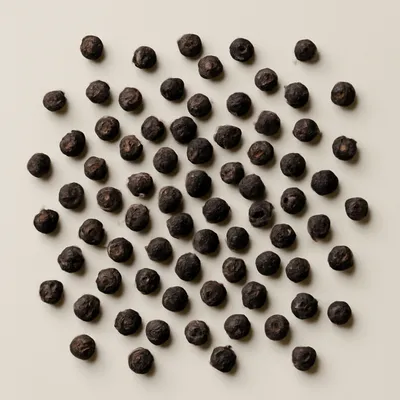



How it's made
6 steps · 1 hour 5 min active + 6 hours waiting
- 110 min
Rinse the lentils in cold water, rubbing them until the water is clear. Soak in 6 cups of water for 6 hours, then drain, reserving 1 cup of the soaking water.
- 210 min
Blend the drained lentils with reserved water until smooth, achieving a thick, pancake-like batter consistency. Let the batter rest at room temperature for 2 hours or refrigerate overnight.
Watch outThe batter is right when it's thick like pancake batter and holds a soft peak — too thin and the dumplings won't puff or hold their shape.
- 320 min
In a deep pot, heat oil to 350°F. Wet your hands and form the batter into balls, making a hole in the center. Fry until golden brown, about 5 minutes per batch.
Watch outHold the oil around 350°F (175°C); the dumplings should sizzle up and colour to even golden-brown in about five minutes, not brown too fast on a screaming-hot pan.
- 410 min
Boil 2 quarts of water, add salt, and remove from heat. Soak the fried dumplings for 5 minutes, then gently squeeze out excess water.
Watch outAfter the warm-water soak, a gentle squeeze should release cloudy, oily water and leave the dumpling soft and springy — that's the sign it's ready for yogurt.
- 55 min
Prepare the raita by mixing yogurt, milk, sugar, mint, pepper, and ginger. Stir in cumin and rock salt if using, and refrigerate until serving.
- 610 min
To serve, layer the dumplings on a platter, cover with raita, drizzle with chutneys, and garnish with chaat masala, cumin powder, and aloo bhujia.
Archive tool suggestions — not reviewed
These legacy suggestions have not been evidence-reviewed and are not presented as required tools.