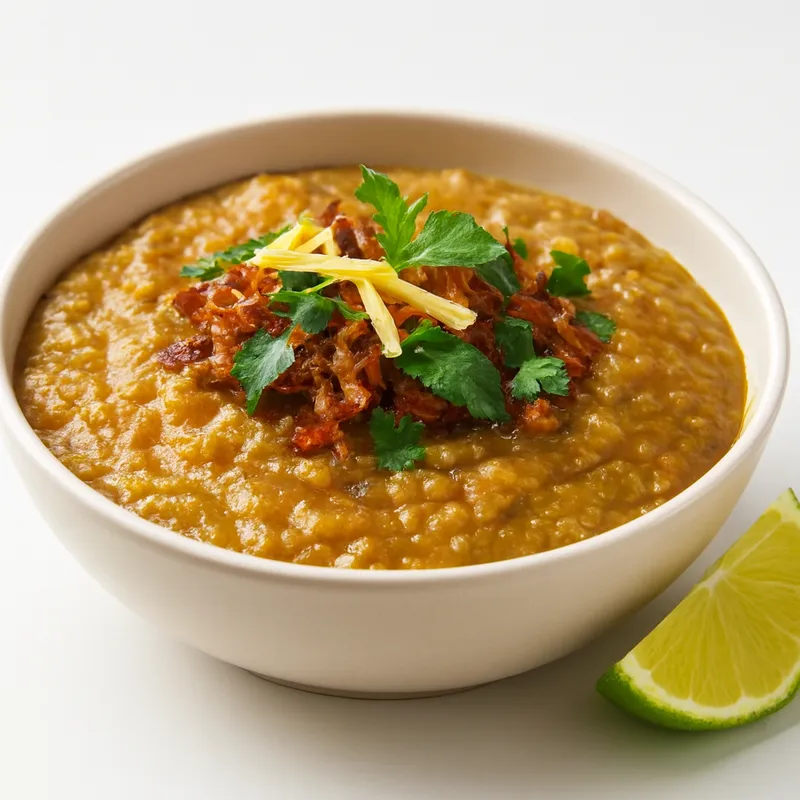
Whole spiced lamb wrapped in cloth and slow-cooked overnight in a buried pit fire — the deep-desert Balochi celebration meat.





Khaddi kebab — the 'pit kebab' — is what Balochi tribes cook for very important guests or important occasions. A pit is dug, a fire built and burned down to coals, an entire goat or lamb is rubbed with rock salt and spices, its belly stuffed with rice (with nuts and raisins), and wrapped, lowered into the pit on top of the coals, covered with more coals and earth, and left to slow-cook for several hours. The result is extraordinarily tender meat with a smoky desert-earth perfume. The rice cooks inside the belly in the animal's own rendered fat, and the whole carcass is brought to the table on a large platter. Cannot really be replicated in a kitchen — but a version exists.
A whole lamb cooked underground in a pit, the meat falling off the bone with the lightest touch. Outside dark and smoky; inside pink and impossibly tender. Eaten standing around the unearthed pit at the moment it's opened.
Buried-pit cooking provides 360-degree even heat at low temperatures — closer to slow-roasting than grilling, with no drying air movement. The cloth or banana-leaf wrap captures vapor and basts the meat; same principle as the New England clambake.
Variations
Balochi khaddi kebab is the regional original; Sindhi mountain versions use sheep; Pashtun adaptations use goat — the underground oven crosses livestock and regions.
On the Palate
Where Khaddi Kebab sits in the Pakistani flavor cloud
Ingredients
Serves 8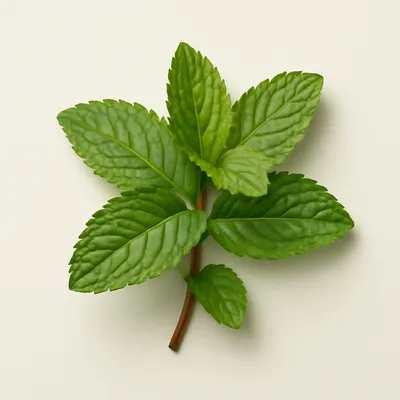




How it's made
5 steps · 1 hour active + 9 hours waiting
- 1120 min
Substitute (kitchen-style): rub a 2kg whole lamb shoulder generously with: 4 tbsp rock salt, 2 tbsp coarsely ground black pepper, 2 tbsp red chili powder, 2 tbsp coriander seed (crushed), 2 tbsp ginger-garlic paste, juice of 2 lemons, 2 tbsp mustard oil. Massage into every crevice. Marinate 4 hours.
Watch outMassage the rub into every fold and crevice of the shoulder, not just the surface — the flavor only reaches the meat where the paste touches it. Give it the full 4 hours.
- 2120 min
Wrap the lamb tightly in 3 layers of banana leaves (or thick parchment + a wet kitchen towel). Tie with butcher's twine.
- 3120 min
Place in a heavy clay pot or Dutch oven. Pour 100ml water at the bottom. Cover tightly.
- 4120 min
Bake at 130°C / 266°F for 8 hours undisturbed. The slow heat replicates pit conditions.
Watch outKeep the heat low and leave it completely alone for the 8 hours — every time you lift the lid you let out the trapped steam that's basting and slow-cooking the meat.
- 5120 min
Unwrap at the table. The meat will fall off the bone. Serve with sajji rice, raw onion, lemon, and chapati. Sprinkle with rock salt and chopped fresh mint.
Watch outIt's ready when the meat gives no resistance and slides off the bone at a nudge — if it still clings, wrap it back up and give it more time.
Archive tool suggestions — not reviewed
These legacy suggestions have not been evidence-reviewed and are not presented as required tools.