Born in the Gangetic plain — claimants include Varanasi and Magadha — likely 19th century or earlier, evolving from older fried-flour street snacks. The Pakistani Punjabi name is "gol gappa" (round mouthful); the Indian name shifts to "pani puri" or "puchka" depending on region. The defining innovation was the spiced jal jeera water, which turned a fried snack into a hydrating one for hot-climate street eating.
Born on the Gangetic plain, likely 19th century — Varanasi and Magadha both claim it. The shell puffs because semolina dough hits 190°C oil that flash-steams the inside before the crust sets, same physics as a popover. Kala namak (black salt) gives the egg-like sulfur note that's the actual point, not an off-flavor.
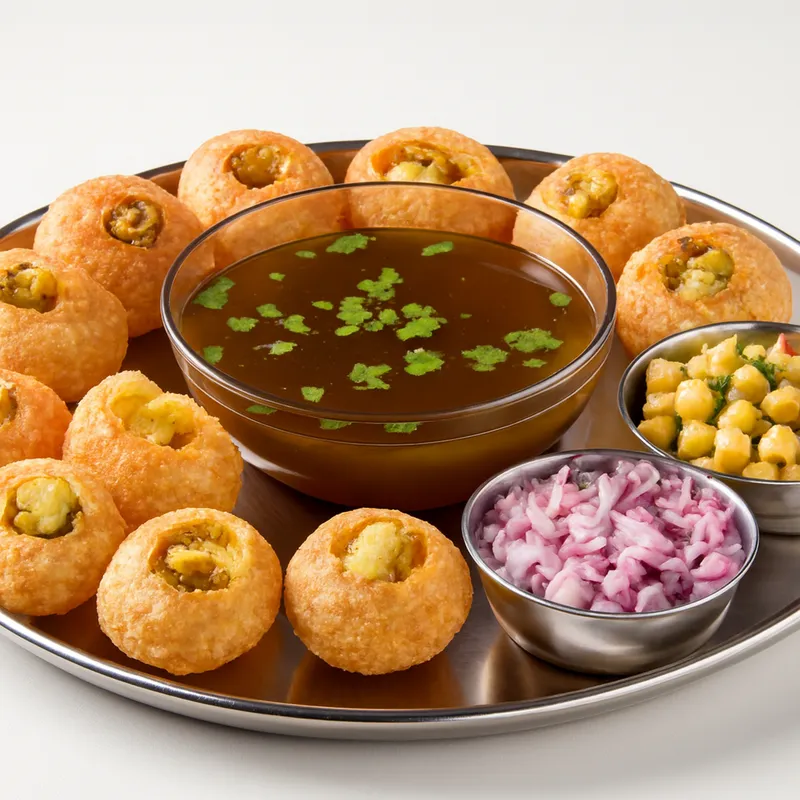
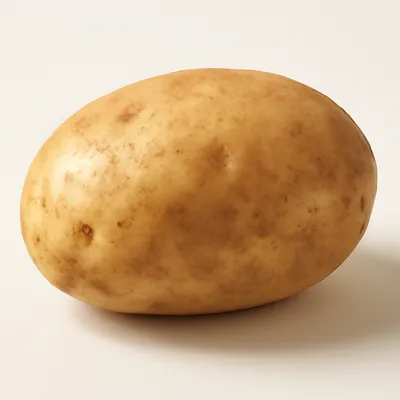
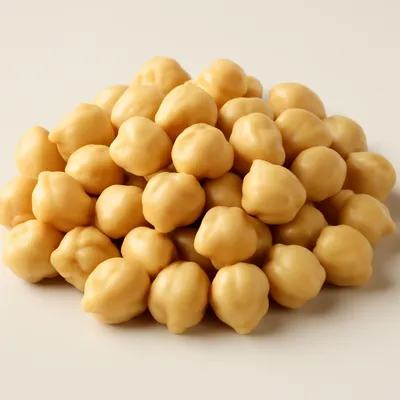
A hollow puff the size of a walnut, cracked open at one end with a thumb, stuffed with chickpeas and spiced potato, dunked into ice-cold tamarind-mint water, then crammed into the mouth whole. Crunch first, then the cold sour-sweet-spicy water floods. Eaten standing at a street cart, one at a time, as fast as the seller can hand them over. A soggy shell is a wasted gol gappa.
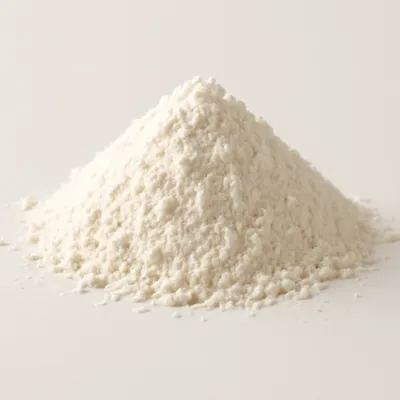
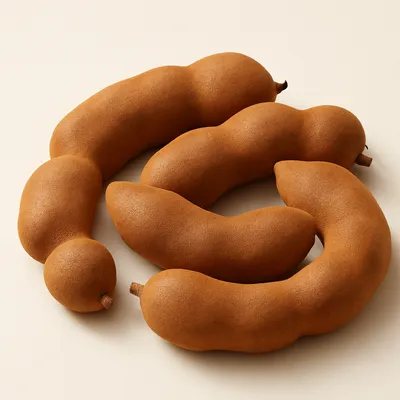
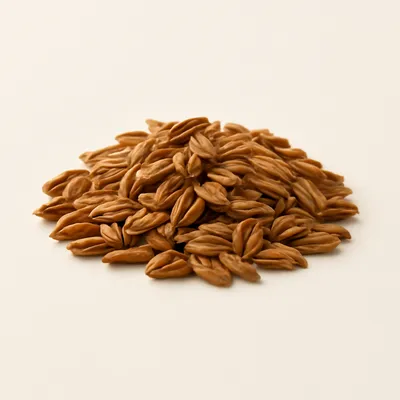
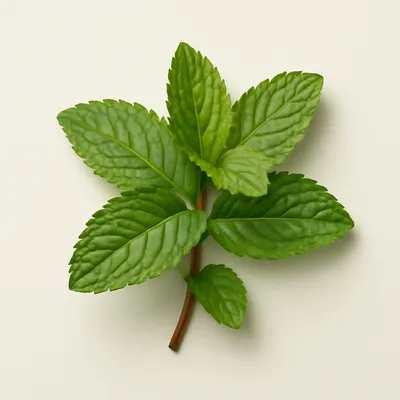
The shell puffs because the dough — semolina (suji) plus a little flour — is rolled thin and dropped into oil hot enough (around 190°C) to flash-steam the interior moisture before the crust sets. Same physics as a popover. The water (pani) carries the flavor: tamarind, mint, cumin, black salt, kala namak — the sulfur in kala namak is what gives it that characteristic egg-like savor that a Western palate often reads as off but is the actual point.
Variations
Pakistani Punjabi gol gappa (semolina shell, chickpea-potato fill); Indian pani puri (Mumbai, sweeter water); Bengali puchka (more tamarind, often atta-only shell); Banarasi water-only version with five different paani at one stall.
On the Palate
Where Gol Gappa sits in the Pakistani flavor cloud
The shell must puff, and that hangs on heat: roll the semolina dough very thin and drop it into oil hot enough (around 190°C) to flash-steam the moisture inside before the crust sets — same physics as a popover; cool oil just gives you a flat, hard disc.
Ingredients


How it's made
4 steps · 30 min
- 110 min
Prepare the puri by deep-frying small rounds of dough in hot oil until they puff up and turn golden brown. Drain on paper towels to remove excess oil.
Watch outThe oil is ready when a scrap of dough bobs up sizzling at once; the rounds should balloon within seconds, then fry to crisp golden — that instant puff means the heat is right.
- 25 min
In a bowl, mix boiled potatoes and chickpeas with a pinch of cumin and salt. Mash lightly to combine.
- 35 min
Prepare the flavored water by blending mint, tamarind, and a touch of cumin into a refreshing, spicy liquid.
Watch outTaste the pani and push it sharp and bracing — tamarind sour, cool mint, cumin, and the funky lift of black salt should all read loud.
- 410 min
Gently crack open the top of each puri and fill with the potato-chickpea mixture. Dip the filled puri into the flavored water just before serving.
Watch outCrack the top gently so the shell stays whole, fill, and dip into the water only at the very last second — soak early and the crisp shell goes soggy before it reaches the mouth.
Archive tool suggestions — not reviewed
These legacy suggestions have not been evidence-reviewed and are not presented as required tools.