

Pashtun
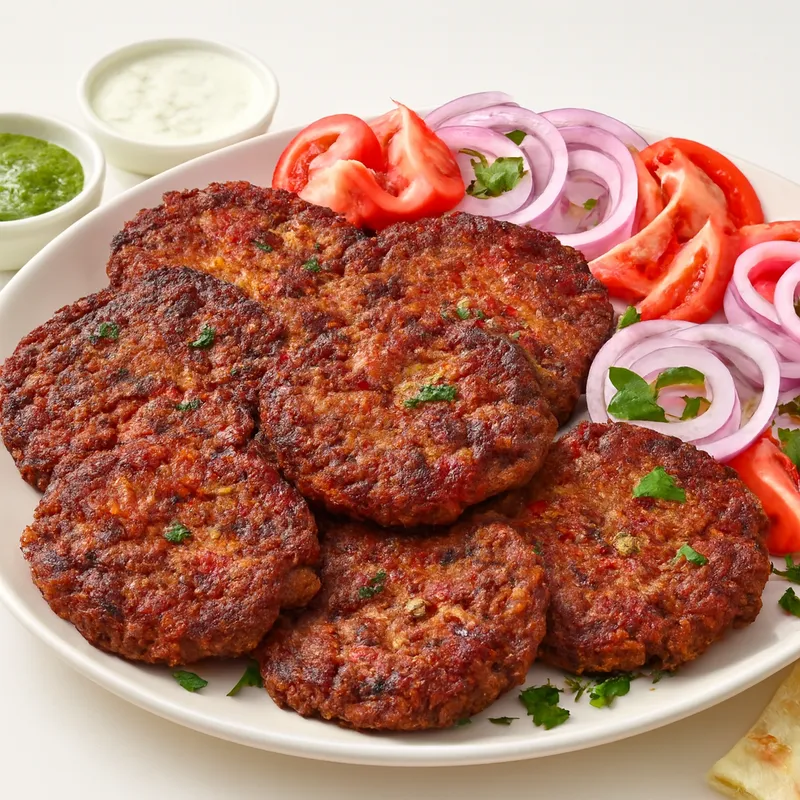
Chapli kebab: flat ground-meat patty.
Chapli Kebab
A minced meat patty, flavored with spices and herbs
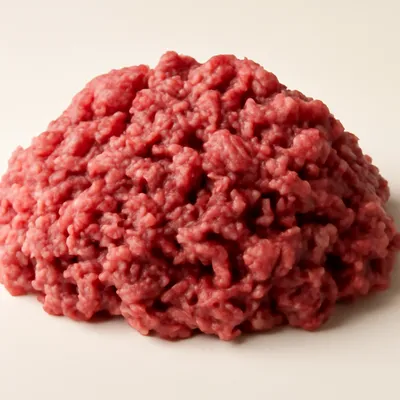
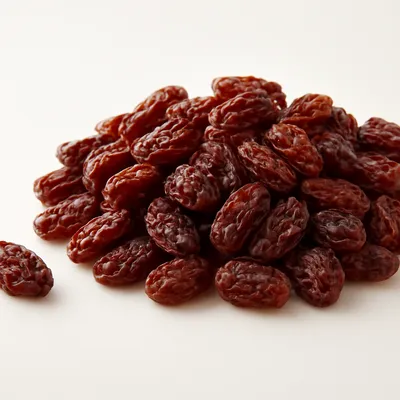
View page →Pashtun cooking, spread across Khyber Pakhtunkhwa and into eastern Afghanistan, is meat country. The tribal kitchens here grew up around livestock — sheep, goat, cattle herded across rocky terrain — and the food reflects that priority. Chapli kebab pounds beef with pomegranate seeds, fresh chili, tomato, and cornmeal into a flat patty fried in shallow oil; Kabuli pulao layers lamb shanks with rice and crowns the dish with caramelized carrots and dark raisins; Shinwari karahi insists on just lamb, tomato, green chili, and salt — no chili powder, no garam masala, no onion. The minimalism is an aesthetic, not a limit.
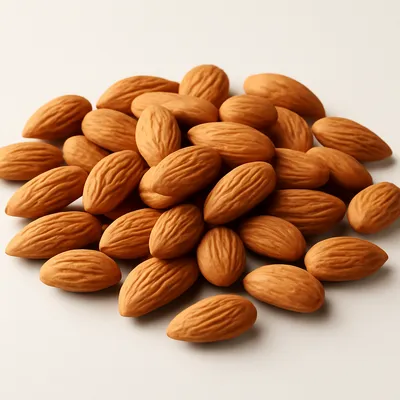
Bread comes from the tandoor — naan in long ovals, sometimes thicker than the Punjabi versions, eaten alongside karahi and kebab. Green tea (kahwa) gets poured all day, sometimes with cardamom, sometimes with almonds. The Pashtun winter brings landi — whole sheep salted and air-dried for months, then simmered back into edibility — a preservation tradition that predates modern refrigeration. Mantu, the steamed dumplings under yogurt and tomato sauces, mark the kitchen's Central Asian gravitational pull.
Start Here
Pomegranate seeds inside the patty are the unmistakable Pashtun signature.
Why start here · Chapli is the bite that immediately tells you whether you're in Lahore (no) or Peshawar (yes).
The carrots must be candied — caramelized to actual sweetness, not just colored.
Why start here · Kabuli pulao is the celebration dish — what comes out for guests and weddings.
Resist adding anything else — the minimalism is the dish, not a deficit.
Why start here · Shinwari shows the Pashtun confidence that meat plus salt plus fire is enough.
The Pantry




See all 53 ingredients›








Herbs & Spices






Dairy & Fats




Sauces & Condiments

How They Cook
Techniques that define this cuisine
Kindred Kitchens
Cuisines built on the same signature ingredients
Other regions
Siblings within Pakistani — each its own tradition.

