
Whole sheep salted and air-dried through Pashtun winter, simmered until tender — the original mountain-pastoralist preserved meat.





Landi is the Pashtun winter food: an entire sheep is salted heavily, also rubbed with asafoetida as a co-preservative, and hung on tall larder poles in a cold, dry place from December through February. The cold dry air of the Khyber slopes preserves the meat without smoke. By spring, the carcass is rock-hard and dark, weighing about a third of its original weight. To eat: pieces are cut from the dried sheep, first boiled to wash off the salt and asafoetida, then simmered with onion, ginger, and water until the meat softens back into something edible, then served on rice or with naan. The flavor is gamey-intense, nothing like fresh lamb.
Dark, dried, intensely lamby — once-rehydrated, it never returns to fresh-lamb softness. The flavor concentrates the entire winter; one cup of broth carries more lamb than a full pot of fresh meat. Eaten on rice or naan in early spring.
Cold, dry winter air pulls moisture from the meat until its water activity drops too low for microbes to grow — a desiccation akin to freeze-drying. Salt draws out more water and slows microbial activity further, and the asafoetida rub acts as an added preservative; the resulting meat is essentially a long-term protein bank, valuable in a region where winter agriculture is impossible.
Variations
Khyber Pashtun landi uses whole sheep; Kandahari Afghan versions use goat; Sindhi mountain versions might use cattle — preservation crosses livestock species, but the technique stays.
On the Palate
Where Landi sits in the Pakistani flavor cloud
Ingredients
Serves 4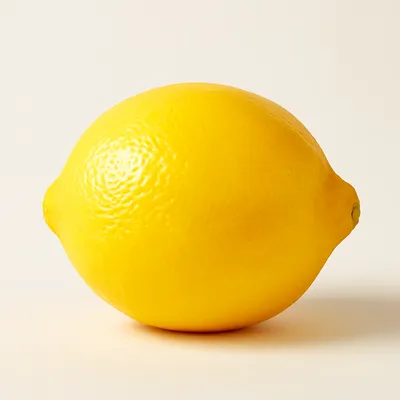

How it's made
5 steps · 1 hour active + 6 days 23 hours waiting
- 12016 min
Source ready-cured landi from a Pashtun butcher (home curing requires winter cold-dry mountain conditions).
- 22016 min
Cut 600g landi into 4-5cm chunks. Rinse twice in cold water. Soak overnight in cold water (change water once) to remove some of the salt.
Watch outChange the soaking water at least once — taste a sliver after; it should read pleasantly salty, not searing, before you cook it.
- 32016 min
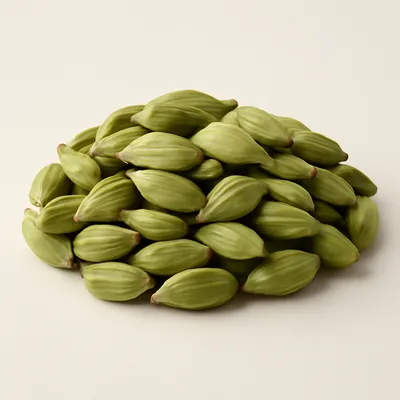
Drain. Place in a heavy pot with 2L water, 2 sliced onions, 1 thumb sliced ginger, 6 black peppercorns, 4 cardamom pods. Bring to a boil; skim.
- 42016 min
Reduce heat; simmer covered 2.5 hours until the meat is yielding (it won't fall apart like fresh lamb — it stays denser, more chew-resistant).
Watch outJudge it by give, not by falling apart — cured landi stays denser than fresh lamb, so simmer until a chunk yields to a squeeze but still has chew.
- 52016 min
Remove meat; reduce the broth by half. Return meat. Adjust with little or no salt (landi is naturally salty). Plate over basmati rice with a sprinkle of chopped scallion and a wedge of lemon.
Watch outTaste before you salt — the cured meat has released its own salt into the broth, so most times it needs none.
Archive tool suggestions — not reviewed
These legacy suggestions have not been evidence-reviewed and are not presented as required tools.


