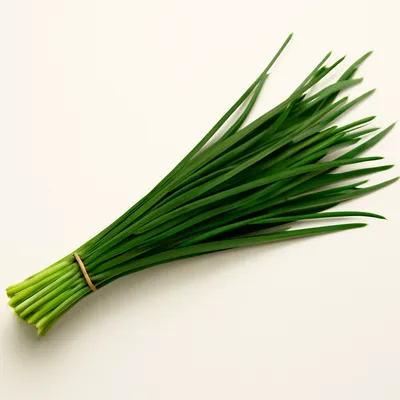
A centerpiece of the Naxi ceremonial Three-Tiered Banquet: salt-cured, wind-dried pork ribs from free-range mountain pigs are slow-simmered in a clay pot with tart tree tomatoes, chive roots, arrowhead tubers, and mountain vegetables until the stock deepens into a silky, smoke-laced broth.




The Naxi Three-Tiered Banquet (三叠水) is the summit of Naxi hospitality — a ceremonial feast arranged in three ascending courses. When the late-Ming traveler Xu Xiake visited Lijiang in 1638, the Mu-clan chieftain honored him with this full banquet; Xu Xiake's own diary records the feast as 'eighty major dishes, spread far and wide' (大肴八十品,罗列甚遥), and cured ribs anchored the climactic third course. The curing tradition is rooted in Yunnan's ancient salt-mining history; the Qing-dynasty text 'Notes on the Yunnan Sea' (滇海虞衡志) by Tan Cui records that 'salt and copper are the great affairs of Yunnan's south,' and Naxi households have salt-cured pork ribs at the onset of winter for generations, hanging them to air-dry through the mountain cold before the Spring Festival feasting season.
The first sip of broth lands as pure salt-smoke umami — dense, silky, almost chewy in depth; then the tart tree tomato's acidity slices through and resets the palate, drawing you back for another rib.
Dry-salting lowers the rib surface's water activity below 0.85, inhibiting spoilage microbes; during weeks of air-drying, endogenous cathepsin proteases slowly hydrolyze myosin into free glutamate and short peptides — the biochemical foundation of intense savoriness. During the long clay-pot simmer at 70–80°C, rib collagen and cartilage convert to gelatin, giving the broth its silky, coating body. Tart tree tomatoes, rich in citric and malic acids, buffer excess sodium and brighten the finish through contrast enhancement — sharpening perceived sweetness and umami with each sip.
Variations
In winter, foraged matsutake, morel, or dry-ya mushrooms replace arrowhead tubers; some Naxi households stir rice wine lees into the simmering stock for mellow sweetness. Lijiang restaurants often add corn cobs and sweet potato, and serve a side of Yunnan 'water chili' (水辣椒) and pounded mint as dipping condiments.
On the Palate
Where Lijiang Cured Spare Rib Hotpot sits in the Chinese flavor cloud
Ingredients
Serves 4How it's made
7 steps · 35 min
- 130 min
Rinse the cured ribs thoroughly under cold water, then soak in cold water for 30 minutes, changing the water once to reduce excess salt.
Watch outSoak the cured ribs 30 minutes, changing the water, to draw off excess salt — skip it and the finished hotpot is too salty to enjoy.
- 210 min
Place ribs in a pot, cover with fresh cold water, bring to a rolling boil, skim all foam and impurities, then drain and rinse.
- 35 min
Transfer ribs to a clay pot or heavy casserole, add enough fresh water to cover by 5 cm, bring to a simmer over medium heat.
- 445 min
Reduce to the lowest heat, partially cover, and simmer for 45 minutes until the ribs are just tender and the stock turns golden-amber.
Watch outSimmer at the lowest heat until the ribs are just tender and the stock turns golden-amber — a hard boil clouds the broth and toughens the meat.
- 55 min
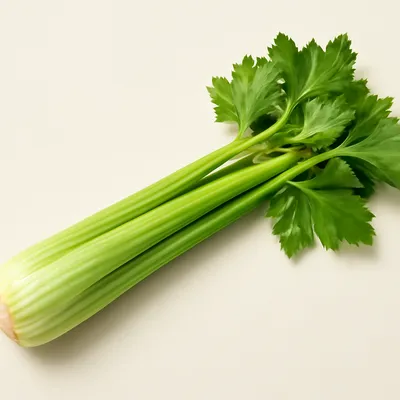
Layer in the vegetables: chive roots on the bottom, halved tart tree tomatoes, halved arrowhead tubers, celery stalks, and potatoes.
- 620 min
Return to a gentle simmer over low heat for 20 minutes, until all vegetables are cooked through and the broth is deeply flavored.
- 75 min
Taste — the ribs are already salty, so add extra salt only if needed; serve directly from the pot at the table with chili-mint dipping sauce.
Watch outTaste before salting — the cured ribs already carry plenty, so add salt only if it truly needs it.
Archive tool suggestions — not reviewed
These legacy suggestions have not been evidence-reviewed and are not presented as required tools.



