A whole kilogram block of skin-on pork belly—sides perfectly squared—braised in dark soy sauce and rock sugar until it turns the color of old lacquer. Suzhou's winter centerpiece: eaten in November, waited for all year.

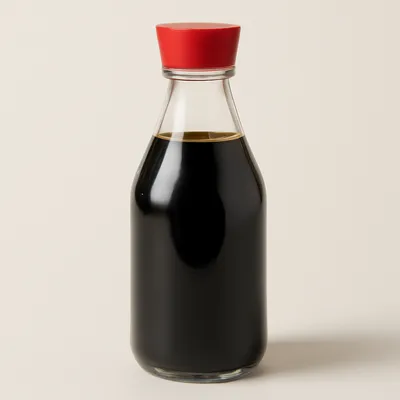

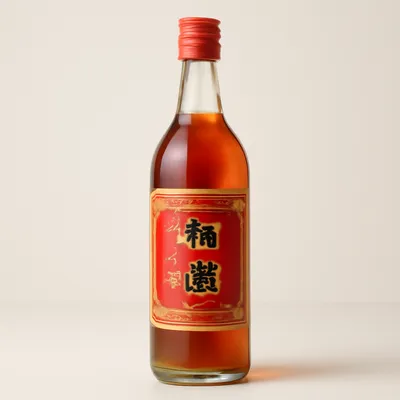
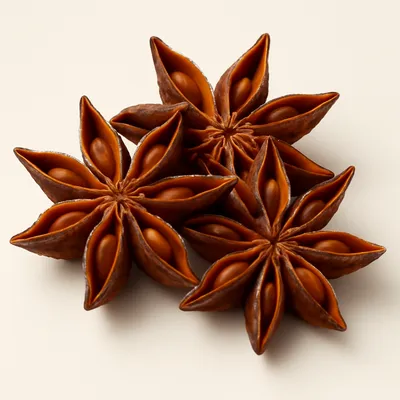

Soy-braised pork square is the winter entry in Suzhou's 'four seasonal pork' calendar—spring plum-blossom pork, summer twice-cooked belly, autumn Dongpo pork, winter soy-square—rooted in the Confucian principle of eating only in season. Suzhou food historian Ke Jicheng traces the strictly squared cut to the Confucian Analects passage 'One should not eat food cut awry,' arguing that the exacting right-angle geometry reflects centuries of Suzhou deference to correct form. The dish has marked the city's entry into winter for generations, prepared in quantity around the Winter Solstice and Chinese New Year.
The block arrives deep brown-black and sheened with sauce. Chopsticks find softness immediately—the skin yields like warm butter, the fat has dissolved to an unctuous trembling layer, and the lean meat beneath retains just enough structure to feel present. The flavor is deep, round soy-caramel with a long umami fade and no cloying sweetness.
Unlike red-braised pork which uses caramelized sugar for color, soy-square relies on Maillard melanoidins from fermented dark soy sauce to produce a distinctively matte deep-brown lacquer rather than a high-gloss red. Extended low-heat braising at 85–90°C converts all collagen in the pork skin and connective tissue into gelatin, creating the trembling soft-yet-intact texture and a naturally self-thickening sauce. The salt-cure step before cooking draws surface moisture out through osmosis, concentrating flavor and tightening the meat structure so the block holds its square shape even after three hours of braising.
Variations
Soy-square is strictly a Suzhou-Wuxi tradition. Hangzhou's dongpo pork resembles it in the square cut but uses a far higher ratio of Shaoxing wine to soy, producing a lighter amber glaze and a wine-forward flavor. Suzhou restaurants disagree on whether to steam before braising: proponents say the steam pre-sets the structure; opponents say it is redundant and extends prep time unnecessarily.
On the Palate
Where Soy-Braised Pork Square sits in the Chinese flavor cloud
Ingredients
Serves 4
How it's made
8 steps · 40 min active + 7 hours 45 min waiting
- 15 min
Select a 1kg skin-on pork belly block; use a blowtorch or razor to remove all hairs; scrape skin clean; rinse.
- 2270 min
Rub surface generously with salt; cure at room temperature 4–5 hours or overnight in the refrigerator.
Watch outThe cure should leave the surface tacky and the block noticeably firmer — that tightened structure is what holds the square shape through braising.
- 330 min
Steam the cured pork over vigorous heat for 30 minutes; remove and pat dry.
- 45 min
Place pork skin-side down in a heavy pot; add dark soy sauce, rock sugar, Shaoxing wine, star anise, cinnamon, and water to barely cover.
- 55 min
Bring to a rolling boil; skim foam thoroughly; reduce to the lowest possible heat and cover.
Watch outSkim every bit of grey foam before you drop the heat — leave it in and the sauce turns cloudy and greasy instead of clear and lacquered.
- 6165 min
Braise 2.5–3 hours; baste with braising liquid every 30 minutes by spooning it over the exposed surface.
- 715 min
Remove lid; raise heat to medium; reduce sauce 15 minutes, basting continuously, until glossy and lacquer-thick.
Watch outReduce until the sauce sheets off the spoon in a glossy ribbon and coats the skin like lacquer — too thin and it slides off, too far and it goes sticky-dull.
- 85 min
Transfer skin-side up to serving platter; spoon remaining sauce over; scatter pine nuts on top if desired.
Archive tool suggestions — not reviewed
These legacy suggestions have not been evidence-reviewed and are not presented as required tools.


