Wonton Soup
Chinese

Wonton Soup

Cantonese·Medium·23 min

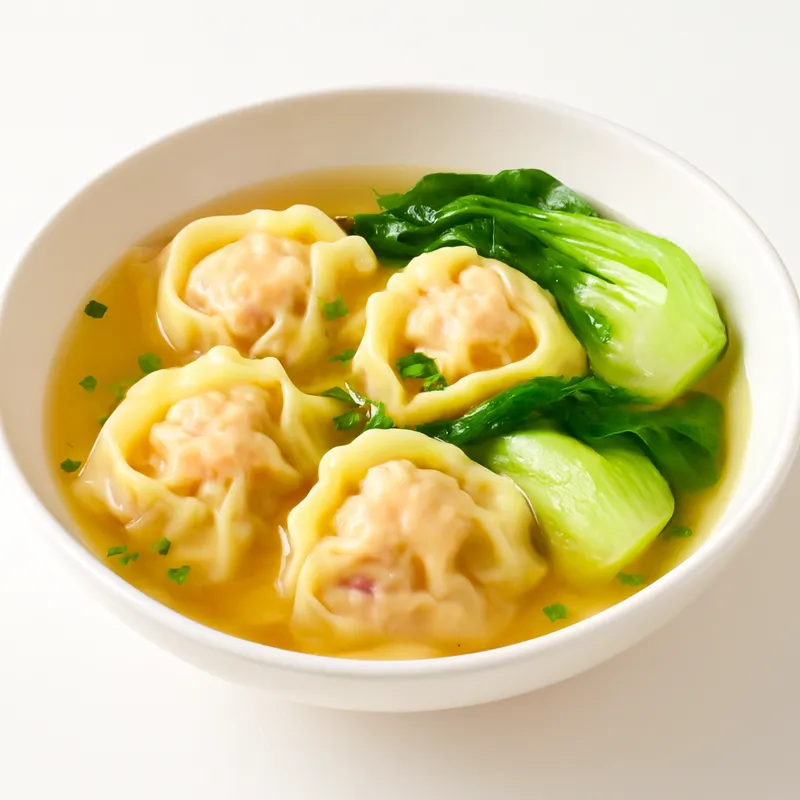
Delicate pork and shrimp wontons floating in a clear, aromatic broth, garnished with greens and sesame oil.

The wonton (馄饨/云吞) began as a northern Chinese food — recorded as far back as the Han-dynasty dictionary Fangyan and the Three Kingdoms-era Guangya, and originally indistinguishable from the dumpling (jiaozi). Its name traces to 混沌 ('primordial chaos'), later rewritten with the food radical as 馄饨; the form spread south from northern China during the Tang–Song migrations (7th–13th century); Guangzhou cooks shrank the skins and added shrimp in the late Qing (19th century) when fresh shrimp from the Pearl River delta became cheap. The clear broth is built on dried flounder bone (大地鱼), pork bone, and shrimp shell — a Cantonese trick that gives umami without cloudiness.

Pork-and-shrimp dumplings in a clear broth lightly seasoned with dried flounder powder. Hong Kong's Mak's Noodle is the canonical reference; the broth's near-translucent clarity is non-negotiable.

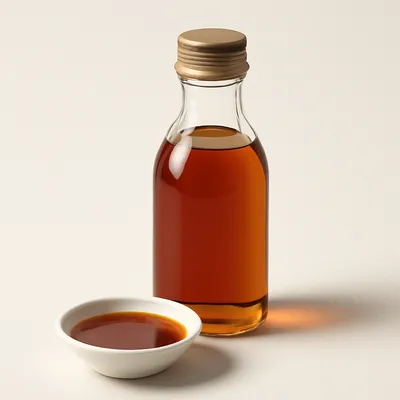
Small wontons with thin, almost translucent skins billowing around a pink filling of pork and shrimp, floating in a clear broth flecked with sesame oil and chopped garlic chives. The skin should slip on the spoon — chewy but yielding. One bite gives the snap of whole shrimp inside. Cantonese versions favor a few wontons in a lot of broth, opposite of Sichuan chili-oil wontons.

Skin thickness is the hinge: Hong Kong-grade wonton wrappers are made with whole duck egg and flour, no water, plus alkaline water (kansui), then repeatedly pressed; the egg yolk gives color while the egg and alkali make the skin tight and resilient so it holds up to longer cooking — the egg gives both color and a snap when bitten. Filling needs whole shrimp pieces, not minced; the texture contrast is the point. Boil briefly in a separate pot, then transfer to the broth — cooking them in the soup clouds it with starch.

Variations

Cantonese wun tan (small, in clear broth) vs Shanghai-style hun tun (larger, square wrappers); Sichuan chao shou is wonton in red oil; northern jiaozi-shaped wontons are heartier.

On the Palate

Where Wonton Soup sits in the Chinese flavor cloud

HeatRichnessComplexityFermentFreshness
Cook to learn

Boil the wontons in a separate pot of plain water and only then lift them into the broth — cooking them in the soup itself sheds starch and clouds a clear Cantonese broth you worked to keep clean.

Ingredients

How it's made

4 steps · 23 min

  1. 1
    5 min

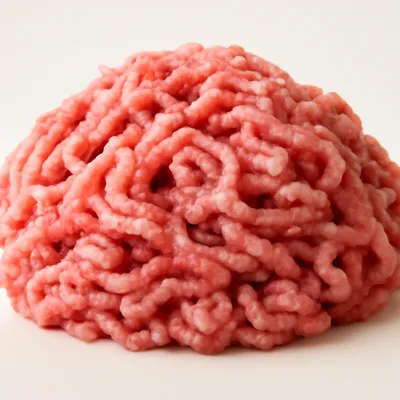
    Finely chop the shrimp and pork, then mix with soy sauce, ginger, and garlic until well combined. This will be your wonton filling.

  2. 2
    10 min

    Place a small spoonful of filling in the center of each wonton wrapper. Moisten the edges with water, fold, and seal tightly to ensure they don't open during cooking.

    Watch out

    Press the whole seam shut, not just a pinch — a fully sealed wonton stays plump; a gapped one leaks filling and clouds the pot.

  3. 3
    5 min

    Bring a pot of chicken broth to a gentle boil. Add the wontons in batches, stirring gently to prevent sticking, and cook until they float to the surface, about 3 minutes.

    Watch out

    Keep the broth at a gentle, lazy boil, not a rolling one; a hard boil batters the skins open. They're done the moment they float and puff.

  4. 4
    3 min

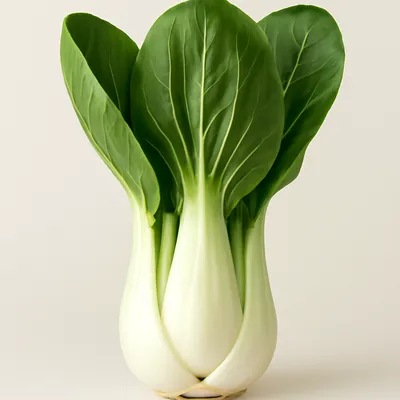
    Serve the wontons in bowls, ladling hot broth over them. Garnish with chopped scallions or bok choy for added flavor and color.

Concepts
Meal formats

Dishes like this

More from Chinese