
Thirteen-spice crayfish is the signature dish of Xuyi county in Jiangsu, the braise that turned the local crayfish into a national festival food. A warm blend of dried aromatics is bloomed in hot oil with ginger, scallion, and dried chili, then crayfish are stir-fried in and braised down with beer until the sauce reduces and clings. Where the numbing-spicy version leans on chili and Sichuan peppercorn, this one is built on layered five-spice and braising aromatics, so the flavor is fragrant and savory-sweet with only a mild heat. The name's thirteen is an auspicious round number rather than a literal count.





Crayfish-eating took off in China through the 2000s, and the lower-Yangtze street-crayfish wave radiated out of Nanjing into the surrounding provinces. Xuyi, in Huai'an, leaned into it: the county ran a trial Dragon-Year crayfish festival in 2000 that drew tens of thousands of visitors over two days, held the first official China (Xuyi) Lobster Festival in 2001, and added International to the name by 2008 as the event reached overseas. The widely-told local account credits a spice merchant who built a thirteen-spice blend in the early 1990s and a restaurateur who first applied it to crayfish later that decade; the details circulate from a single origin story, so they are best taken as folklore rather than settled record.
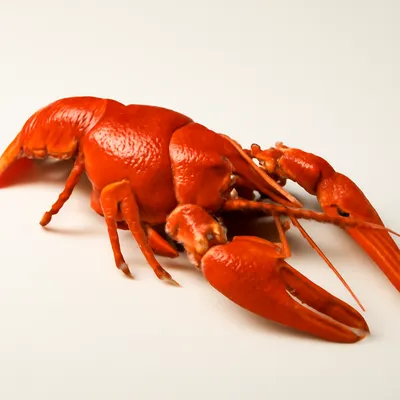
The shells come out deep red and glossy, the sauce thick enough to coat your fingers, fragrant with star anise, cassia, fennel, and a dozen other warm spices. The first taste is aromatic and savory-sweet, the braising spices soaked into the surface of the shell, with a gentle warmth from dried chili rather than a sharp burn. The tail meat stays firm and sweet underneath. You smell the spice blend across the table before the platter lands.
The spices carry the dish, and frying them in hot oil first is what makes them work. Warm aromatics such as star anise, cassia, cloves, fennel, sand ginger, and cardamom hold their flavor in essential oils that are fat-soluble, so blooming them in oil releases and disperses that aroma before the crayfish ever go in. The braise then drives those oils onto and into the shells as the liquid reduces. Beer is the braising medium of choice, its malt sugars deepening the savory-sweet finish while gentle simmering keeps the tail meat from toughening. The blend is a superset of warm braising spices; any given cook uses a subset, and the count was never literally thirteen.
Variations
Home cooks often reach for a ready-made thirteen-spice powder as a shortcut, though Xuyi shops favor their own freshly built blends. Some versions lean sweeter, others push more dried chili toward the numbing-spicy end of the spectrum. The dish sits between its siblings: braised like Qianjiang's oil-braised crayfish but flavored with the herb stack rather than chili oil, and aromatic where Changsha's numbing-spicy crayfish is built purely on chili and peppercorn.
On the Palate
Where Thirteen-Spice Crayfish sits in the Chinese flavor cloud
Ingredients
Serves 3
How it's made
7 steps · 25 min active + 25 min waiting
- 112 min
Scrub the crayfish clean, trim the claws and legs, and pull out the dark tail vein.
- 25 min
Warm a thirteen-spice blend or whole aromatics, ginger, scallion, and dried chili in hot oil over low heat to bloom their fragrance.
Watch outBloom the spices low and slow just until fragrant — the aromatics' oils release into the fat, but push the heat and they turn bitter.
- 33 min
Raise the heat, add the crayfish, and stir-fry until the shells turn fully red.
Watch outStir-fry until every shell turns fully red — that color change means the surface protein has set and the shells are ready to take the sauce.
- 41 min
Season with soy sauce, salt, and a little sugar.
- 52 min
Pour in beer to nearly cover, then bring to a boil.
- 622 min
Cover and braise over medium-low heat until the sauce reduces and clings to the shells.
Watch outBraise until the beer reduces to a glaze that clings to the shells — keep it gentle so the tail meat doesn't toughen.
- 72 min
Toss to glaze every shell evenly and serve hot.


