Thick bone-in pork chops tenderized with a knife-back beating, seared to a Maillard crust, then slow-braised alongside scallions cooked until dark, sweet, and fragrant. The caramelized scallion suffuses every fiber with a layered savoriness that defines Shanghai's 浓油赤酱 soul — the neighborhood cook's counterweight to the grand restaurant dish.




Scallion-braised pork chop is a cornerstone of Shanghai's Benbang home cooking, combining the Shanghainese taste for deeply caramelized aromatics with the red-braising tradition central to the cuisine. Chinanews.com.cn and Thepaper.cn both document this dish as a representative of Shanghai 市井菜 (neighborhood cooking), where establishments like 蘭心餐厅 — tracing their lineage to small eateries on streets like Jinxian Road, founded by families who researched the recipe over decades — have kept the technique alive. The defining step is patience with the scallion: cooking it slowly until dark green and mellow is what separates this from an ordinary red-braised pork chop, and what makes it unmistakably Shanghainese.
Fork-tender at the center, the meat holds a slight resistance at the bone edge where flavor concentrates most. The sauce is thick, dark, and rounds into an almost confiture-like sweetness from the caramelized scallion — balanced perfectly by the soy's edge. Poured over rice, with the sauce pooling into the bowl, this is what Shanghai people mean when they say 下饭.
Beating the chop with the knife back severs muscle tendons and connective tissue, allowing marinade and braising liquid to penetrate more rapidly. Pan-frying at 140–165°C triggers Maillard reactions on the meat surface, producing over 200 volatile aromatic compounds and forming a sealed crust that holds juices during braising. Scallion caramelization at 120–140°C transforms sharp allylic thiosulfinates (responsible for the pungency of raw scallion) into sweeter di- and trisulfide compounds — explaining why slowly cooked scallions smell sweet while raw ones bite. During the braise, glutamates from soy sauce and inosinates from the bone synergize for umami multiplication; cartilage collagen near the bone dissolves into the sauce, contributing body and gloss.
Variations
The classic version uses only scallion whites; some versions add a few slices of ginger for balance. A restaurant variant sears the chop in lard rather than vegetable oil for deeper richness. A quick home version skips the separate scallion slow-frying and adds them directly to the braise — the result is simpler, with less aromatic depth, but still satisfying.
On the Palate
Where Scallion-Braised Pork Chop sits in the Chinese flavor cloud
Ingredients
Serves 3

How it's made
7 steps · 15 min
- 15 min
Pat pork chops dry. Using the blunt spine of a cleaver, pound both sides of each chop firmly 15–20 times to break muscle tendons. Score the fat edge with two small cuts to prevent curling during searing.
- 26 min
Heat wok or heavy skillet over high heat; add oil. Sear chops 2–3 minutes per side until deep golden on each face. Remove and set aside.
Watch outSear each face two to three minutes to a deep gold before moving it — that crust seals in the juices for the braise; flipping too soon leaves it pale and dry.
- 310 min
Reduce to medium-low heat. Add scallion whites cut into 6cm pieces; fry slowly, stirring occasionally, for 8–10 minutes until turned dark green, softened, and fragrant with a sweet aroma.
Watch outFry the scallion whites slowly until they darken and smell sweet, not sharp — that shift from pungent to sweet is the whole point; rush it and they stay raw and biting.
- 42 min
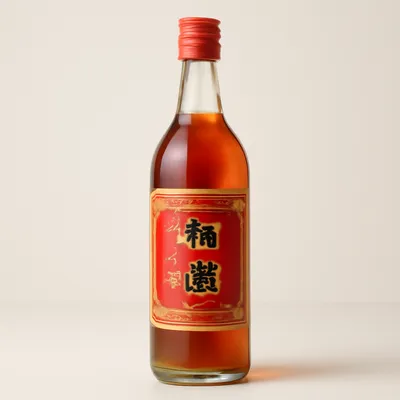
Push scallions to one side. Return chops to pan; pour Shaoxing wine around the edge of the wok and let it sizzle.
- 52 min
Add light soy sauce, dark soy sauce, and sugar; turn chops to coat evenly. Add just enough hot water to come halfway up the chops.
- 615 min
Bring to a boil, then cover and simmer over medium-low heat for 15 minutes, flipping chops once halfway through.
- 78 min
Uncover; raise to medium-high heat. Reduce sauce 5–8 minutes, basting chops constantly, until thick and glossy. Plate and spoon all sauce over.
Watch outBaste constantly while reducing until the sauce turns thick and glossy and coats the chop — that shine means it clings to every bite.

