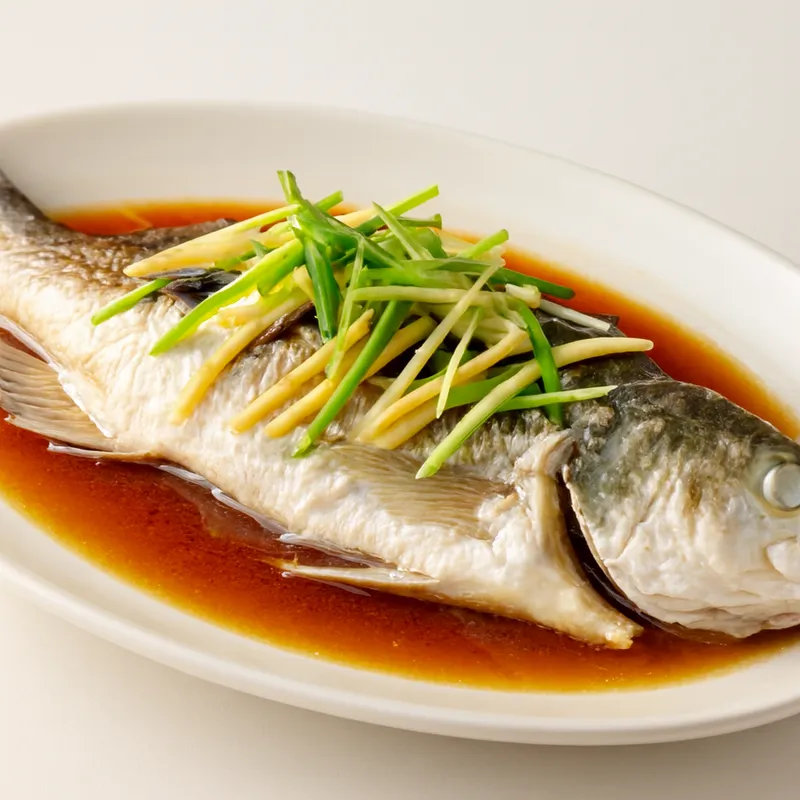
A Henan banquet dish of mutton and scallion built on the 扒 (arrange-and-braise) method. Fatty lamb rib or breast is pre-cooked until tender, sliced, and laid in neat order over a bed of scallion segments that have been fried golden, then braised together over low heat in a savoury sauce until the meat is soft and the burnt-scallion fragrance soaks through it; the assembled piece is slid onto the plate with its order kept. Lamb was the prestige meat of Northern Song Kaifeng, where the great licensed taverns cooked largely with it, and the dish is counted among Henan's traditional banquet classics. It is mellow and warming, the heavy sweetness of long-cooked scallion cutting the richness of the mutton.




Scallion-braised mutton belongs to the mutton cookery of Henan, whose tradition reaches back to Northern Song Kaifeng (Bianjing), where mutton was the dominant meat of the capital's kitchens. Meng Yuanlao's 《东京梦华录》 records that the city's great licensed taverns (正店) cooked extensively with lamb, and Song palace and tavern menus are heavy with mutton dishes, the meat then carrying more prestige than pork. The exact inventor and date of 葱扒羊肉 are not on record. Its name states the method and the two materials: 扒 is the technique of laying the sliced cooked meat in order over the scallions, braising slowly without stirring, and turning it out with its arrangement intact, while 葱 marks the scallion as the dish's defining aromatic, fried dark and braised soft until its fragrance carries the lamb. It is counted among Henan's traditional banquet classics and appears on the Henan list of the 2018 'Chinese Cuisine' release.
The mutton comes apart into soft, fatty slices that pull easily and carry no rank sheep smell, only a clean, deep meatiness; over and through it runs the dark sweetness of scallion cooked almost to jam, with a faint pleasant char at the edges. The sauce is savoury and lightly thickened, glossing the meat rather than swimming it. Eaten warm, the fat is silky and the burnt-scallion note is the thing that lingers. Done well the lamb is tender to falling but still holds its slice, the scallion melting and sweet, the gaminess fully tamed; done badly the meat is dry or still chewy and tendon-tough, the scallion either raw and sharp or scorched bitter, and the dish smells strongly of mutton because the meat was not properly purged and pre-cooked.
The dish turns on taming the mutton and on cooking the scallion twice. Lamb rib carries the muscle, fat and connective tissue that give the meat its richness and its smell; a first long simmer with ginger, scallion and wine renders fat, breaks down collagen toward gelatin so the meat goes tender, and carries off the volatile fatty-acid compounds responsible for the gamey note. The scallion is the signature: cut into segments and fried in oil until golden-brown, its sugars and amino acids brown by Maillard and caramelisation into a deep, almost sweet aroma — the 糊葱 (burnt-scallion) note — quite unlike raw scallion's sharpness. Laid under the sliced meat and braised slowly together, the scallion melts down and pushes that fragrance into the lamb while the meat finishes softening; low heat and no stirring keep the arrangement whole, and a little starch at the end binds the sauce to a gloss. Over-frying the scallion past golden to black turns it bitter; too brief a first simmer leaves the meat tough and rank.
Variations
葱扒羊肉 is the white-leaning member of the Henan 扒 family applied to lamb; the same arrange-and-braise method gives 葱扒鸭, 扒羊肉条 and the like, and a soy-darkened 红扒 version of the mutton also exists. Some cooks lay the scallion only as a bed and lift it out before serving, others leave it in to be eaten down soft; the cut runs from rib (肋条) to breast or shank, the fattier ribs preferred for a banquet. Lamb-and-scallion is a standing Chinese pairing — the quick-fried 葱爆羊肉 of the north is its stir-fried cousin, sharp and fast where the 扒 dish is slow and mellow — and Henan's many Hui (Muslim) cooks keep mutton cookery central to the province's table.
On the Palate
Where Scallion-Braised Mutton sits in the Chinese flavor cloud
Ingredients
Serves 4
How it's made
7 steps · 50 min
- 18 min
Blanch the lamb rib or breast in cold water brought to a boil to skim off the scum, then drain and rinse.
- 270 min
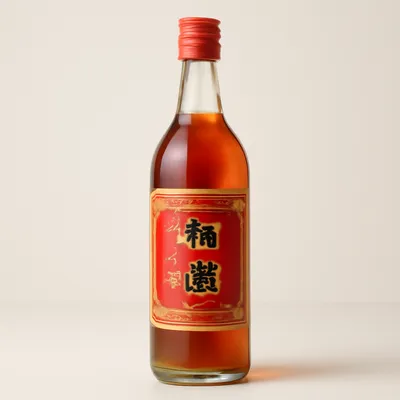
Simmer the lamb with ginger, scallion, Shaoxing wine and a little salt until tender enough to slice but still firm; lift out, cool slightly, and slice into neat even pieces, reserving the broth.
- 310 min
Cut a generous amount of scallion into finger-length segments and fry them in hot oil until golden-brown and fragrant; lift out and spread as a bed in the pan or on a bamboo mat.
Watch outFry the scallion segments to golden-brown and fragrant — that near-burnt 'hu cong' aroma is the dish's signature; pale scallion tastes flat.
- 45 min
Lay the sliced lamb in neat order, skin or fat side down, over the scallion bed.
- 525 min
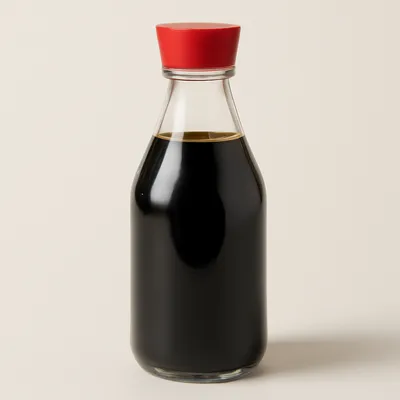
Add the reserved lamb broth, light and dark soy, wine, sugar and salt to cover, bring to a boil, then braise gently over low heat without stirring until the meat is soft and has taken up the scallion fragrance.
Watch outBraise gently without stirring so the meat holds its neat order — stir it and the arranged slices break apart before plating.
- 65 min
Turn the heat up to reduce the sauce, thicken with a little starch slurry to a gloss, and spoon some over the meat.
- 74 min
Invert the assembled meat onto a plate so the slices show in order, pour the remaining sauce over, and serve hot.