The most celebrated Dongbei iron-pot classic: wild catfish from the Songhua River and hand-torn purple eggplant braised together over a slow fire until the eggplant absorbs every drop of the fish's fatty stock and the broth turns milky white and deeply savoury. The regional proverb says it plainly: 'Catfish stew with eggplant — the old man eats himself into a stupor.'
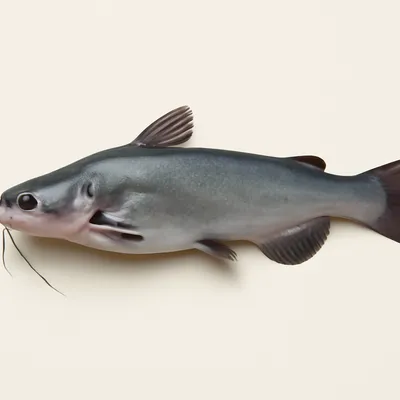
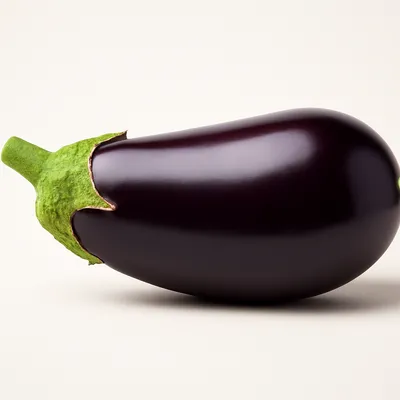




The Songhua River and its tributaries have fed northeastern China for centuries, and catfish — plentiful, fatty, and easy to catch in the summer runs — were among the most accessible protein sources for rural Jilin households. The iron-pot stew tradition (铁锅炖) emerged as a practical method across Manchuria: heavy cast-iron cauldrons hung over brick or clay stoves in farmhouse kitchens, where a single slow fire could transform whatever the day's catch offered into a satisfying meal. The pairing of catfish with summer eggplant is tied to the harvest calendar of Jilin province, where purple eggplant ripens at exactly the moment the catfish are fattest. The proverb 'catfish stew with eggplant — the old man eats himself into a stupor' (鲶鱼炖茄子,撑死老爷子) has long circulated throughout Dongbei as testament to the dish's irresistible richness. Local tradition in the Yilan area traces the pairing to a Song-dynasty imperial story, but such attributions to famous historical figures are a common form of folk narrative for beloved regional dishes and are better read as mythology than history.
The broth turns milky white from the catfish fat — rich without heaviness. Eggplant strands have collapsed into soft, almost creamy ribbons soaked through with stock; the fish is tender to the point of melting, its freshwater sweetness framed by soy-and-paste savoriness. A fragrant, warming bowl.
Catfish skin and subcutaneous fat contain high concentrations of triglycerides that emulsify into the braising liquid when sustained above 85°C, turning the broth opaque and milky white — the same mechanism that whitens pork bone stock. Eggplant's flesh is composed largely of air-filled parenchyma cells bounded by pectin-rich cell walls; prior high-heat frying collapses the air pockets and partially solubilises pectin, leaving a highly porous, absorbent matrix. Hand-tearing rather than knife-cutting creates a rougher, more irregular surface that maximises uptake of the fat-enriched stock during braising. Soybean paste contributes glutamate; Sichuan pepper's hydroxy-sanshool desensitises olfactory receptors to minor off-notes from freshwater fish; ginger's gingerols convert to milder shogaols at braising temperatures, further suppressing fishiness.
Variations
Replace catfish with northern pike, carp, or grass carp — each brings a different fat-to-flesh ratio. Adding potato chunks creates a three-ingredient stew (土豆鲶鱼炖茄子), the most common home version. A Yanbian Korean variant introduces doenjang in place of Chinese soybean paste. Some versions finish by baking a corn-meal flatbread directly on the iron-pot rim (贴饼子), which steams against the broth and develops a crisp bottom — ideal for soaking.
On the Palate
Where Iron-Pot Catfish and Eggplant Stew sits in the Chinese flavor cloud
Ingredients
Serves 4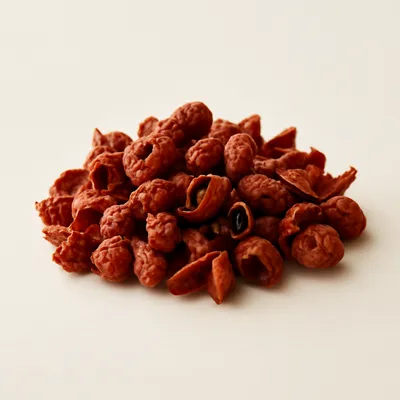



How it's made
8 steps · 20 min
- 110 min
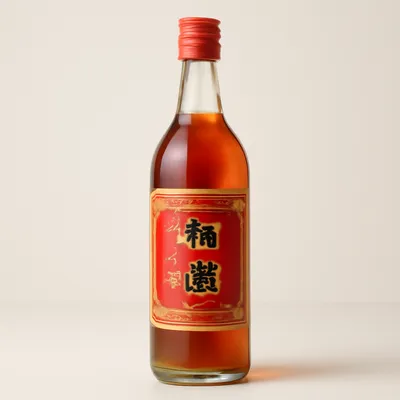
Clean catfish: remove gills and innards, cut into 5cm chunks. Rub the surface with coarse salt, rinse under cold water to remove the slick mucus coating, then pat dry. Marinate with ginger slices, Shaoxing wine, and a pinch of salt for 10 minutes.
Watch outRub the catfish with coarse salt and rinse off the slick mucus — leave that slime on and the stew turns muddy and fishy.
- 25 min
Hand-tear eggplant into strips roughly 3cm wide and 8cm long — tearing along the grain creates a rougher, more absorbent surface than knife-cutting. Sprinkle with salt, toss, leave 5 minutes, then squeeze out excess liquid.
- 36 min
Heat 3 tablespoons of oil in a wok or iron pot over high heat; add eggplant strips and stir-fry, turning frequently, until softened and lightly caramelised at the edges, about 5–6 minutes. Remove and set aside.
Watch outFry the torn eggplant until softened and the edges caramelize — pre-collapsing its air pockets is what lets it soak up the fatty broth later.
- 42 min
Add one more tablespoon of oil to the same pan; over medium-high heat, fry scallion sections, ginger slices, garlic cloves, dried chili, and Sichuan pepper until fragrant, about 1 minute. Add a tablespoon of soybean paste and stir-fry with the aromatics for 30 seconds.
- 54 min
Add catfish pieces; gently turn to sear all sides until lightly golden, about 3–4 minutes.
- 63 min
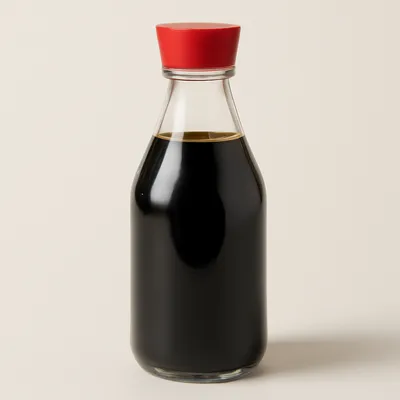
Deglaze with Shaoxing wine; add light soy sauce, a splash of dark soy sauce, and a pinch of sugar. Pour in enough hot water to come halfway up the fish pieces; bring to a boil over high heat.
- 730 min
Place eggplant on top of the fish. Cover and reduce to a medium-low simmer for 25–30 minutes, checking once and gently stirring the eggplant into the broth midway through.
- 85 min
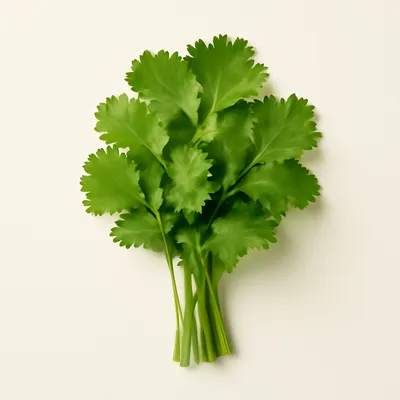
Uncover and reduce the broth over high heat for 3–5 minutes until glossy and slightly thickened. Taste and adjust salt; scatter fresh cilantro and scallion greens on top and serve directly from the pot.
Watch outReduce the broth over high heat until glossy and slightly thick — catfish fat should turn it milky; a thin watery sauce means it hasn't emulsified.


