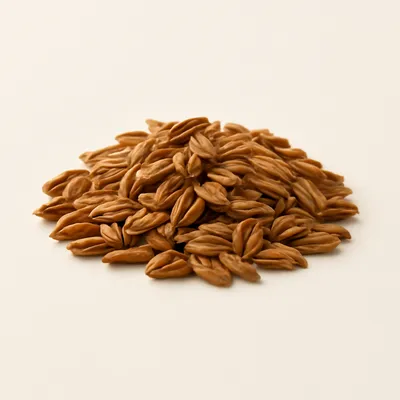
Lamb ribs marinated in cumin, Sichuan peppercorn, and chili are first slow-braised in stock until the collagen melts, then transferred to a thick-walled cast iron 炕 pot where all liquid reduces away and the meat develops a mahogany crust against the hot surface. Golden potatoes, caramelised onion, and glass noodles cook alongside, absorbing the concentrated lamb fat. One pot, four techniques — braise, reduce, crisp, steam — the quintessential Qinghai farmhouse main.





The 炕锅 takes its name from the 炕 — the heated brick sleeping platform central to farmhouse life across northwest China — in whose adjacent stove a thick-walled iron pot was traditionally nestled to slow-bake flatbread overnight. Qinghai farmers and Hui herders extended the technique to lamb, potatoes, and seasonal vegetables, discovering that the pot's thick cast walls delivered the even, sustained heat needed to first braise then caramelise the meat. Lamb from Dulan county's saline-alkaline grasslands became the preferred ingredient: animals grazing on mineral-rich vegetation at high altitude grow slowly and develop tender, nearly gamey-free flesh prized across Qinghai. As the dish moved from farmhouse to restaurant, the cooking vessel evolved into a multi-section tabletop 炕锅 used as a shared centrepiece — though the two-stage technique of long braise followed by high-heat crisping remains unchanged.
Fall-off-the-bone lamb with a mahogany crust where it touched the hot iron; cumin and Sichuan pepper fragrance locked in the seared surface. Potatoes are crisp outside, creamy inside. Glass noodles carry the reduced lamb-and-cumin essence in every chew.
The two-stage cook is the technical heart of the dish. In the first stage, simmering at 85–90°C slowly hydrolyses collagen in the rib bones and connective tissue into gelatin, tenderising the meat and enriching the braising liquid. In the second stage, when the liquid is reduced away, the pot temperature rises above 150°C and Maillard browning develops wherever the lamb surface contacts the hot iron — producing the characteristic mahogany crust. Because the interior is now saturated with gelatin, it remains juicy even as the surface caramelises. Potatoes pre-treated with salt and a dusting of cornstarch undergo surface starch gelatinisation on the hot pan, forming a crisp skin while remaining starchy and creamy inside.
Variations
Beef ribs or bone-in chicken pieces replace lamb in non-traditional versions. A spicier variant adds doubanjiang paste and dried Sichuan chilies. Restaurants increasingly use multi-compartment electric griddle pans for tableside cooking, allowing diners to manage the crisping stage themselves.
On the Palate
Where Qinghai Pan-Braised Lamb with Potatoes sits in the Chinese flavor cloud
Ingredients
Serves 4


How it's made
6 steps · 20 min
- 190 min
Soak lamb ribs in cold water for 1 hour; pat dry and marinate with cumin powder, chili powder, ground Sichuan peppercorn, salt, white pepper, and a splash of high-proof baijiu for 30 minutes
- 210 min
Slice potatoes into 1cm rounds; salt them for 10 minutes, rinse, pat dry, and dust lightly with cornstarch; soak glass noodles in cold water until pliable
- 355 min
Place marinated ribs in a pot with cold water, ginger slices, Sichuan peppercorns, and scallion; bring to a boil, skim any foam, then reduce to a low simmer; cook covered for 45–55 minutes until the ribs are tender; reserve the braising liquid
Watch outBraise gently until a chopstick slides through the meat but the ribs still hold shape — this is where the toughness melts before the sear.
- 48 min
Heat a thick-walled cast iron 炕 pot over medium-high heat; add 2 tbsp oil; arrange the braised ribs in a single layer; cook without moving for 5–6 minutes until the underside is a deep mahogany brown
Watch outLeave the ribs undisturbed until the underside is deep mahogany — moving them too soon means no crust, just steamed meat.
- 512 min
Tuck potato slices around the ribs; lay drained glass noodles and onion slices on top; pour in 150ml of the reserved braising liquid; cover and cook on medium heat for 10–12 minutes
- 65 min
Uncover; raise to high heat and reduce until almost no liquid remains; scatter garlic shoots and sesame seeds; toss gently, taste and adjust seasoning, and serve directly from the pot
Watch outReduce over high heat until almost dry so the flavor clings to the meat — stop while it's still soupy and it tastes washed-out.


