A signature Tianjin breakfast — known in the local dialect as gaba cai. A mung-bean-and-millet crepe is cut into willow-leaf strips and simmered briefly in a spiced, soy-darkened gravy, then finished with sesame paste, fermented-bean-curd liquid, chili oil, sliced spiced tofu and cilantro. Somewhere between a soup, a dish and a porridge, eaten hot with fried dough or sesame buns.




Guoba cai is one of Tianjin's defining morning foods, made most famously under the Dafulai name. It is documented from the Guangxu era, though its precise beginnings can't be pinned down — popular accounts trace Dafulai to a Qianlong-era pancake shop and an emperor's bestowed name, but those tales are acknowledged to be largely legend rather than history. What is on the record is the dish's place in Tianjin breakfast and that the Dafulai craft entered the city's intangible-heritage list in 2009.
The crepe strips have gone soft and slippery in the gravy but still hold their shape, each willow-leaf sliver coated in the dark, savory, lightly spiced sauce. Sesame paste makes it rich and nutty; the bean-curd liquid adds a salty funk, the chili a little heat. Strips of spiced dried tofu give bite, cilantro a fresh top note. Warm and comforting, it wants a stick of fried dough alongside.
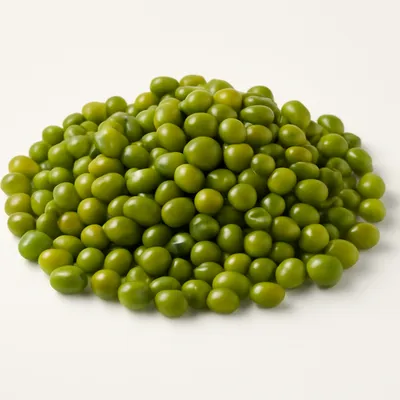
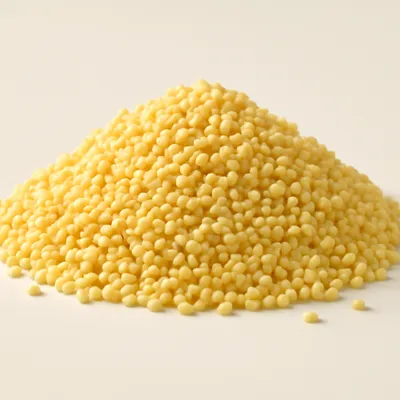
The crepe is the namesake — a thin mung-bean-and-millet batter spread and dried into sheets (the guoba), then cut into willow-leaf strips. The gravy is a meatless one: soy, salt, ginger, five-spice and star-anise powders thickened with starch slurry, built on oil first fragranced by frying cilantro root. The strips go in only briefly, so they soak up the gravy and soften without dissolving — too long and they turn to mush. The six finishing condiments — sesame paste, fermented-bean-curd liquid, chili oil, chili mash, sliced spiced tofu, chopped cilantro — are added in the bowl, layering richness, salt, heat and freshness over the base.
Variations
Recipes split mainly over the gravy — a plain meatless one, or a heavier version — and over how generous the condiments are. The same spiced gravy is also ladled over soft tofu for douhua, one pot serving two breakfasts. The constant is the mung-bean crepe cut to strips and the spread of finishing condiments; skimp on either and it stops being the real thing.
On the Palate
Where Guoba Cai sits in the Chinese flavor cloud
Ingredients
Serves 3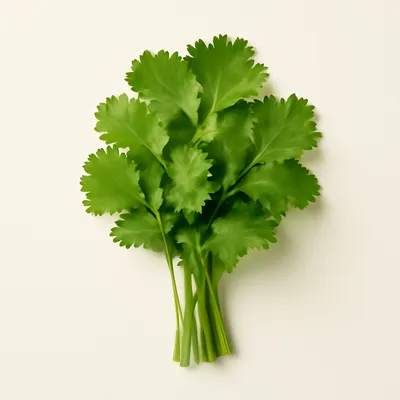

How it's made
8 steps · 1 hour
- 120 min
Mix a thin batter of mung bean and millet, spread it into thin crepes and let them dry; cut into willow-leaf strips.
- 24 min
Fry cilantro root in oil to fragrance it, then discard the root, keeping the oil as a base.
Watch outFry the cilantro root just to fragrance the oil, then fish it out — leave it in and it turns bitter.
- 38 min
Build the gravy in that oil with soy, salt, ginger, five-spice and star-anise powders and water.
- 42 min
Thicken the gravy to a light, glossy consistency with starch slurry.
Watch outThicken the gravy to a light, glossy sheen — a thin coat, not a paste, or it'll clot the strips together.
- 52 min
Stir the crepe strips into the simmering gravy just until softened and coated.
Watch outStir the crepe strips in just until softened and coated — a moment too long and they go to mush.
- 61 min
Ladle into bowls.
- 72 min
Top with sesame paste, fermented-bean-curd liquid, chili oil and chili mash.
- 81 min
Scatter with sliced spiced dried tofu and chopped cilantro, and serve hot.


