Tianjin's defining breakfast and the original jianbing. A thin crepe of stone-milled mung-bean batter is spread on a hot griddle, an egg cracked and smeared over it, then the whole thing is flipped, brushed with fermented-flour sauce, fermented bean curd and chili, scattered with scallion, and wrapped around a length of crisp fried dough. Tianjin people are purist about it: mung-bean batter, egg, fried dough or a crisp fried cracker — and nothing else.
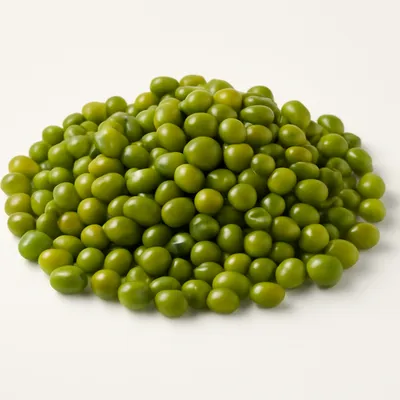


Jianbing guozi grew up on the streets and back lanes of Tianjin, where it remains the city's signature morning food. The Tianjin original is built on a mung-bean batter, which sets it apart from the wheat-flour jianbing common in Beijing; locals treat the mung-bean crepe and its short list of fillings as the authentic form. When the dish spread to Beijing in the 1980s it was heavily adapted — sausage, lettuce, pickles and ketchup all crept in — which Tianjiners regard as a departure rather than an improvement.
The crepe is paper-thin and faintly nutty from the mung bean, set with a film of egg on one face. Inside, the fried dough — a thick, long stick or a crackly fried sheet — gives a loud snap against the soft, pliant crepe. The sauce is savory-sweet with a funky edge from the bean curd; scallion and chili lift it. Eaten folded in the hand, hot off the griddle.
Mung-bean batter is the whole trick and the whole difficulty. Pure mung-bean starch has little gluten, so the crepe wants to tear — spreading it thin and even on the hot griddle takes a practiced hand with the scraper, which is why a good vendor's crepe is so prized. The egg is cracked straight onto the wet crepe and smeared flat so it bonds into the surface rather than sliding off. The fried dough must be made to stay crisp: a stiff, well-worked dough fried hot, so it holds its snap even folded inside the warm, slightly steaming crepe.
Variations
The two canonical fillings are the thick fried-dough stick (bangchui guozi) and the crisp fried cracker (guo bi'er); some shops layer in both. A little fermented bean curd is standard; the chili is to taste. Beyond Tianjin the dish has been opened up to all manner of add-ins, but within the city the short, fixed list is the point.
On the Palate
Where Jianbing Guozi sits in the Chinese flavor cloud
Ingredients
Serves 2
How it's made
8 steps · 40 min
- 120 min
Soak and stone-mill mung beans into a smooth batter, thinning with water (some add a little millet flour) and resting it briefly.
- 23 min
Heat a flat griddle and oil it lightly; pour on a ladle of batter and spread it thin and even with a scraper.
Watch outSpread the batter thin and even in one confident sweep — hesitate and the low-gluten crepe tears into holes.
- 31 min
Crack an egg onto the wet crepe and smear it flat across the surface.
Watch outSmear the egg flat right after cracking so it bonds into the wet crepe instead of sliding off in a lump.
- 41 min
Flip the crepe once the egg has set.
- 52 min
Brush the cooked face with fermented-flour sauce and fermented bean curd, then scatter scallion and chili.
- 61 min
Lay a stick of fried dough or a fried cracker down the center.
Watch outLay in the fried dough while it's still crisp and the crepe hot — the whole point is the crunch surviving inside the soft wrap.
- 71 min
Fold the crepe over the filling into a flat parcel and lift off the griddle.
- 81 min
Serve immediately, hot and crisp.


