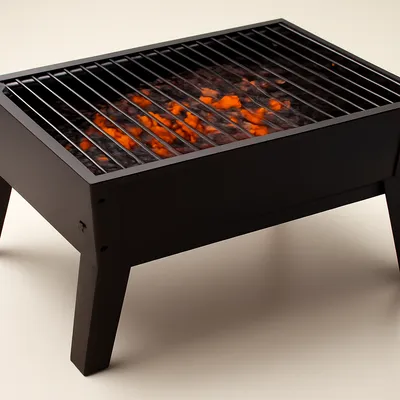
Glutinous rice — often the local purple variety — soaked, packed into a length of fresh fragrant bamboo, and slow-roasted over a fire until cooked through. A staple of the Dai people of Xishuangbanna, eaten by cracking the charred tube open and peeling it back to reveal the rice, which carries the green bamboo's fragrance. The grains nearest the wall pick up a thin, sweet film of bamboo aroma. Tender, faintly smoky, and meant to be eaten warm with the fingers.
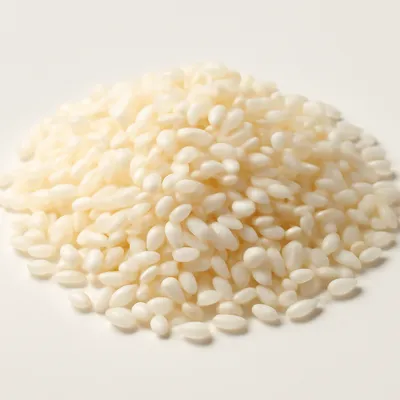


A traditional food of the Dai people of Xishuangbanna in southern Yunnan, where it doubles as everyday staple and trail food. The bamboo used is a thin-stemmed fragrant variety (xiangnuozhu, "fragrant glutinous bamboo"), no thicker than a wine cup, whose inner wall is lined with a white membrane that gives off a distinct aroma. Locals hold that the rice is at its best made between November and February, when that fragrant membrane is at its richest. Roasting rice inside a green tube is an old habit across the Dai uplands, where bamboo grows everywhere and serves as both cookpot and lunchbox.
Cracked from its blackened tube, the rice comes out as a soft, faintly glossy cylinder, holding the shape of the bamboo. Purple glutinous rice stains it a deep violet; plain glutinous rice stays milky white. It chews soft and sticky, sweetish on its own, with a clean green-bamboo fragrance running all through it and concentrated in the thin film clinging to the surface where the grain met the wall. A trace of woodsmoke from the fire sits underneath.
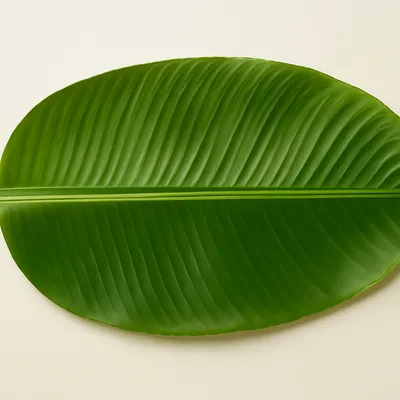
The bamboo is the cooking vessel and the seasoning at once. A fresh internode is cut with one node left as a base, the soaked rice and a little water sealed in with a plug of banana or bamboo leaf. Stood upright over the fire first, then laid down and turned slowly, the sealed tube steams the rice in its own moisture while the green wall scorches outside. As it heats, the fragrant inner membrane releases its aroma into the grain, and the rice closest to the wall fuses with that film. Slow, even turning is everything — rush the fire and the tube splits or the rice scorches before the center cooks.
Variations
Purple glutinous rice is the prized version for its color and deeper aroma, but plain white glutinous rice is just as traditional. Some cooks soak peanuts or red beans in with the rice; the bamboo-tube rice of neighboring Dai and other upland peoples follows the same idea with local grains. Closely related is pineapple rice, where glutinous rice is steamed inside a hollowed pineapple rather than bamboo.
On the Palate
Where Dai Bamboo-Tube Rice sits in the Chinese flavor cloud
Ingredients
Serves 4How it's made
8 steps · 30 min active + 8 hours 30 min waiting
- 15 min
Rinse glutinous rice (purple or white) and soak in water for seven to eight hours until the grains swell.
Watch outSoak the glutinous rice a full seven to eight hours until the grains are plump and swollen — under-soaked rice won't cook through before the tube scorches.
- 25 min
Cut a fresh length of fragrant bamboo, keeping one node closed as the base.
- 35 min
Pack the drained rice into the tube and add a little clean water, leaving room at the top.
- 43 min
Seal the open end tightly with a plug of banana leaf or bamboo leaf.
- 520 min
Stand the tube near the fire to heat through, then lay it on its side over the coals.
Watch outTurn the tube slowly and evenly over the coals — rush the fire and it splits or the outside chars before the center's done.
- 640 min
Turn the tube slowly and evenly so it roasts on all sides without splitting, until the rice is cooked through.
- 73 min
Tap the charred tube with the back of a knife to loosen the rice from the wall.
- 82 min
Split or peel the bamboo and serve the rice warm.
Archive tool suggestions — not reviewed
These legacy suggestions have not been evidence-reviewed and are not presented as required tools.