The Li people's most ancient feast food: Shanlan mountain glutinous rice packed into fresh-cut bamboo with herb-seasoned pork, sealed with banana leaf, and roasted over a wood fire until the outer wall chars and the rice within absorbs the green bamboo fragrance—cracked open at the table, it releases a column of jade-scented steam.




The Li ethnic people have cultivated Shanlan mountain glutinous rice in the upland terraces of central Hainan for over a millennium; this dryland variety, grown without irrigation on mountain slopes, is a cornerstone of Li agricultural identity. Bamboo tube cooking is documented in Chinese classical texts as early as the sixth-century Northern Wei work Qimin Yaoshu, which records tube-roasted preparations. Among the Li, this dish was traditionally prepared for hunting expeditions and presented to honored guests during the Third Month Third Festival, the most important celebration of the Li and Miao peoples. 黎家竹筒饭 remains one of the most iconic traditional foods of the Li people, served at village festivals and to honored guests.
Splitting the bamboo releases a cushion of steam with a green, woodsy scent entirely unlike any pot-cooked rice; each grain is soft yet slightly chewy from the glutinous variety; seasoned pork bits offer fatty punctuation; a clean, sweet finish from the mountain rice lingers after each mouthful.
Fresh green bamboo contains up to 90% water in its walls; when sealed and set over fire, internal steam pressure builds steadily, creating a semi-pressurized cooking environment that heats the rice from all sides simultaneously. Bamboo cell walls contain chlorophyll, camphene, and limonene; as the wall heats above 100°C, these volatile aromatic compounds permeate through the moist wall into the rice. Glutinous rice starch is composed of near-100% amylopectin, which gelatinizes fully and produces cohesive stickiness without turning mushy because the sealed bamboo limits water absorption to exactly the moisture available.
Variations
Fillings vary by season: wild pheasant, smoked wild boar, black beans, or red dates; Baoting Li township wraps the tube in banana leaf before roasting for extra moisture retention; modern restaurant versions use pork belly and coconut water in place of mountain spring water.
On the Palate
Where Li Bamboo Tube Rice sits in the Chinese flavor cloud
Ingredients
Serves 4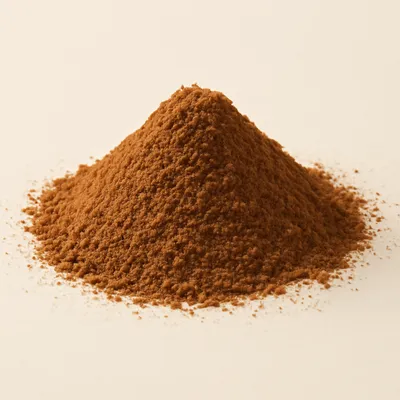

How it's made
7 steps · 1 hour
- 1300 min
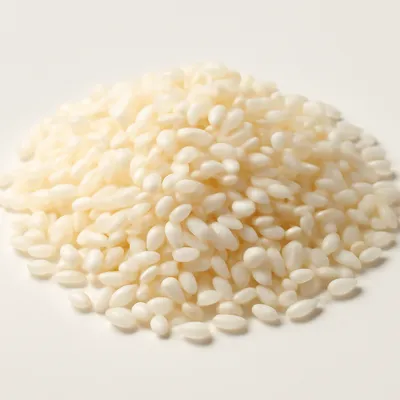
Soak Shanlan glutinous rice (or premium short-grain glutinous rice) in cold water for 4–6 hours; drain thoroughly.
- 215 min
Dice pork belly into small cubes; season with salt, light soy sauce, five-spice powder, and minced ginger; mix into the drained rice.
- 310 min
Cut fresh green bamboo into 30cm sections, keeping one natural node intact as the sealed base.
- 45 min
Fill each tube three-quarters full with the rice-pork mixture; pour in spring water just enough to cover the rice.
Watch outFill only three-quarters and add just enough water to cover the rice — the sealed bamboo builds steam, and overfilling leaves no room for the rice to swell.
- 55 min
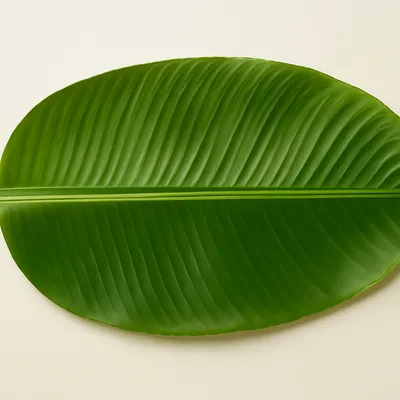
Seal the open end tightly with a dampened banana leaf; tie securely with a bamboo strip.
- 650 min
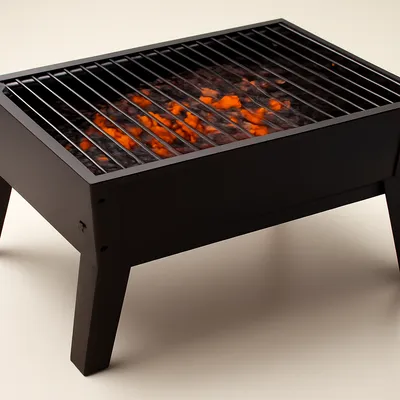
Set tubes vertically or at a slight angle over glowing charcoal or wood fire; roast 40–50 minutes, rotating occasionally, until the outer wall chars and bamboo aroma rises strongly.
Watch outIt's done when the outer wall chars and the bamboo scent turns strong — that rising green-bamboo aroma is your signal the rice inside is cooked through.
- 75 min
Rest 5 minutes off the heat; split each tube lengthwise at the table with a knife and serve directly from the bamboo.
Archive tool suggestions — not reviewed
These legacy suggestions have not been evidence-reviewed and are not presented as required tools.