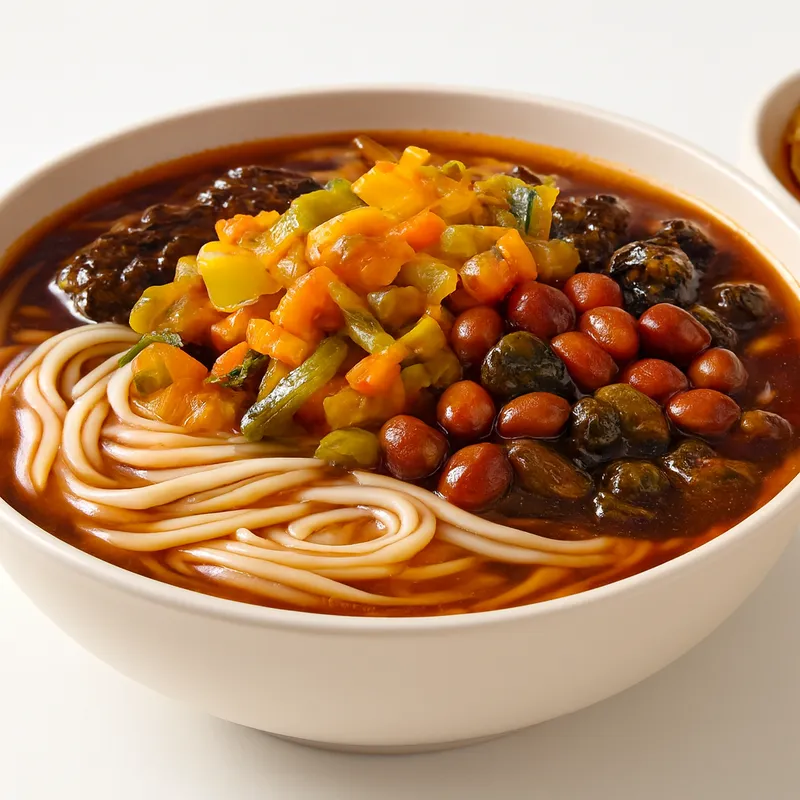
A Sichuan steamed dumpling of glutinous-rice dough wrapped in a fragrant leaf, sweet or savory. The skin is glutinous-rice flour cut with a little long-grain rice flour, parceled around a filling — red-bean paste with walnut for the sweet, or minced fresh or cured pork with Yibin sprout-vegetable for the savory — then sealed in a pomelo, shell-ginger or reed leaf and steamed. The leaf perfumes the dough and keeps it from sticking, so a good one is "three-non-stick": it clings to neither plate, chopstick nor tooth. Around Chengdu and Leshan it is a Qingming-tide snack, soft, glossy and scented of green leaf.




Ye'erba grew out of aimo, a Qingming (Tomb-Sweeping) food of farmhouse western Sichuan, and its making is claimed by several towns at once — Huaiyuan in Chongzhou, Qianwei in Leshan and the Yibin area among them — so no single birthplace is honest. The modern name and refined form are usually traced to around 1940, when a snack house in Xindu near Chengdu is said to have reworked the rough aimo and renamed it ye'erba, "leaf cake," for the fresh leaf it is steamed in; the attribution varies between sources and is best held loosely. The same snack travels under other names: aimo or aimomo in western Sichuan and Chongzhou, and zhu'erba ("piglet cake") across southern Sichuan — Zigong, Yibin and Luzhou — and into Zhaotong and Zunyi in Yunnan and Guizhou. The wrapping leaf is regional too: pomelo leaf, shell-ginger leaf, the broad leaf of golden eye-grass, reed or banana leaf, each lending its own scent.
The leaf comes off to a dumpling that is glossy and pale green-tinged, soft and chewy without being gummy, holding its shape on the chopstick. Steam carries the leaf's fragrance straight into the dough — pomelo is bright and citrus-clean, shell-ginger warmer and more herbal. The sweet kind gives way to smooth red-bean paste with the crunch of walnut; the savory kind is juicy minced pork laced with the salty, faintly sour crunch of preserved sprout-vegetable. The mark of a good one is that nothing sticks — not the plate, not the chopstick, not your teeth.
Glutinous-rice flour is almost entirely amylopectin, the branched starch, which is why the steamed dough turns translucent, sticky and stretchy; a small share of long-grain rice flour, richer in straight-chain amylose, is added to firm it so the dumpling holds shape rather than slumping. Kneading the flours with warm water hydrates the starch evenly into a smooth, plastic dough with no dry core, and steaming gelatinizes it — the granules swell and burst, their chains entangling into the soft, cohesive body. The leaf does real work beyond fragrance: its waxy surface is a natural non-stick liner, and as steam passes through it, fat-soluble aromatic terpenes from pomelo or shell-ginger leaf migrate into the dough, perfuming it. Eaten warm is best, because as the gelatinized starch cools its chains slowly re-order and firm, the staling that makes any rice cake harden; amylopectin retrogrades slower than amylose, so it stays soft a while.
Variations
The two classic fillings split sweet and savory: sweet is red-bean paste, often with walnut or other nut and a brown-sugar dough, while savory is minced fresh or cured pork with preserved sprout-vegetable. The wrapping leaf marks the region and the scent — pomelo leaf is the most classic pairing, shell-ginger (the plant called yanshanjiang) lends a distinctive perfume, and the broad leaf of golden eye-grass is the leaf of the older Leshan style; reed and banana leaf turn up too. Under the name aimo or aimomo the dough is sometimes greened and scented with mugwort for Qingming; under zhu'erba in southern Sichuan and into Yunnan-Guizhou it leans savory and is shaped plump like a little piglet. It is a cousin, not a copy, of the leaf-wrapped zongzi: zongzi is whole glutinous rice bound in reed leaf, ye'erba a smooth rice-flour dough.
On the Palate
Where Ye'erba sits in the Chinese flavor cloud
Ingredients
Serves 4
How it's made
7 steps · 1 hour 30 min
- 110 min
Rinse fresh pomelo or shell-ginger leaves, blanch briefly to soften and sanitize, then wipe dry and trim to palm-size pieces.
- 215 min
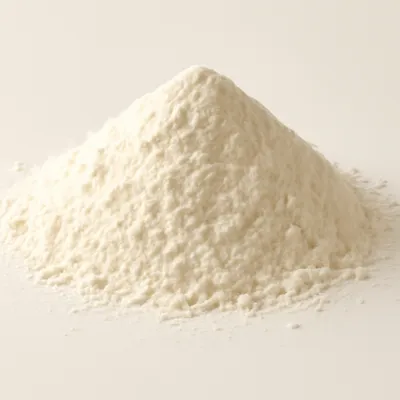
Mix glutinous-rice flour with a smaller share of long-grain rice flour; add warm water a little at a time and knead to a smooth, soft, non-sticky dough, then rest it covered.
Watch outKnead the two flours with warm water to a smooth, soft, non-sticky dough with no dry core — even hydration is what makes the steamed skin translucent, not cracked.
- 315 min
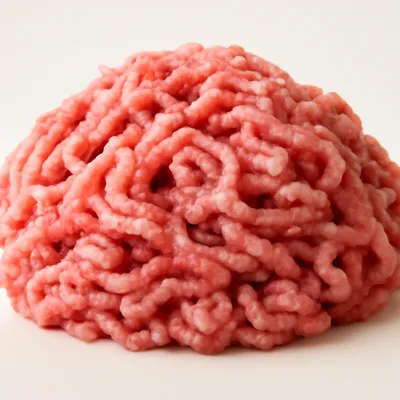
Make the filling: for sweet, mix red-bean paste with chopped walnut; for savory, stir-fry minced pork with preserved sprout-vegetable and a little soy, then cool.
- 412 min
Divide the dough, flatten each piece, spoon in the filling, and pinch closed into a smooth oval; brush the leaf lightly with oil and wrap the dumpling.
- 53 min
Set the wrapped dumplings seam-down in a steamer lined or spaced so they do not touch.
- 615 min
Steam over high heat until the dough turns glossy and translucent and the filling is hot through.
Watch outSteam over high heat until the dough turns glossy and see-through — that translucence is the starch fully gelatinized; pull it pale and the center's still raw.
- 73 min
Rest a couple of minutes off the heat, then serve warm in the leaf so the fragrance stays.
Archive tool suggestions — not reviewed
These legacy suggestions have not been evidence-reviewed and are not presented as required tools.