Wide flat rice noodles wok-fired with velveted beef, mung bean sprouts, and scallion, lacquered with dark soy and a touch of light soy. No water, no sauce pool — the noodles must pick up color and char directly from a very hot wok. The noodles should stay intact, each strand glistening but not greasy.
A Cantonese dai pai dong staple, originating in Guangzhou during the wartime 1930s. The dry-fry (乾炒) method — no sauce added, color comes entirely from the soy and wok contact — rose from street stalls into Guangzhou restaurants (e.g. 洞天酒家) after WWII, and later became a Hong Kong cha chaan teng standard.
Wide rice noodles, each about 1.5cm across, carrying a dark-soy-and-wok glaze — black at the edges, lighter in the center. Velveted beef strips coiled between them, mung bean sprouts still slightly crisp, a few scallion lengths. No sauce pools on the plate; the glaze is on the noodle surface, not underneath. The noodle should have a slight resilience — not stiff, not mushy. The wok char (镬气, wok hei) is detectable as a faint smoke note in the back of the mouth.
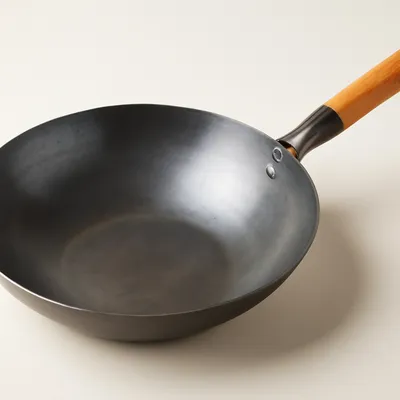
Dry-fry (乾炒, gān chǎo) means no water, no stock, no cornstarch sauce added to the wok — the colour comes entirely from dark soy direct contact with the carbon-steel surface at 350°C+. At that temperature, the soy sauce evaporates in under 2 seconds and what remains is caramelized coating, not liquid. The wok must be seasoned and bone-dry; any residual water causes steam and soft noodles. The beef is added after the noodles are 80% coloured, then cooked together for 30 seconds maximum. Beyond 90 seconds at that heat, the noodle starts to tear.
Variations
Mak's Noodle (麦奀记) and Kwan Kee (坤记煲仔饭) are cited benchmarks in Hong Kong. Wet-fry version (湿炒, shī chǎo) adds a cornstarch gravy — common in cha chaan tengs but considered inferior by dry-fry purists. Singapore's char kway teow is a first cousin, using lap cheong and cockles.
On the Palate
Where Beef Chow Fun sits in the Chinese flavor cloud
Ingredients
Serves 2




How it's made
8 steps · 30 min
- 115 min
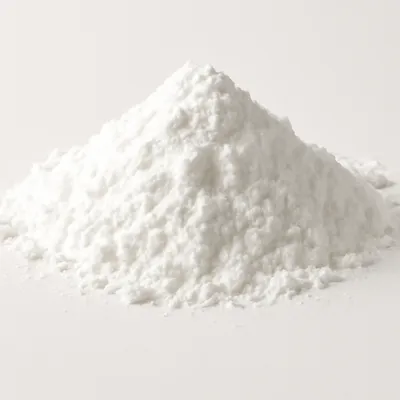
Slice the beef 3mm across the grain; mix with light soy sauce, cornstarch, and 1 tbsp oil; marinate 15 minutes.
- 23 min
Gently separate the fresh rice noodles by hand into individual strands; do not use hot water or they will tear.
Watch outCold noodles straight from the fridge are brittle and shred when pulled — bring them to room temperature for 20 minutes before separating.
- 32 min
Heat the wok over maximum heat for at least 2 minutes until the surface is visibly smoking; add 2 tbsp oil and swirl.
- 42 min
Sear the beef in a single layer without stirring for 45 seconds, flip once, cook 30 more seconds until just browned; remove immediately.
- 53 min
Add 1 tbsp more oil to the screaming-hot wok; add the noodles and let them sit undisturbed against the wok surface for 60 seconds to develop char, then toss twice.
Watch outConstant stirring prevents wok hei from forming — the noodles must have sustained contact with the hot iron to pick up colour and smoke.
- 61 min
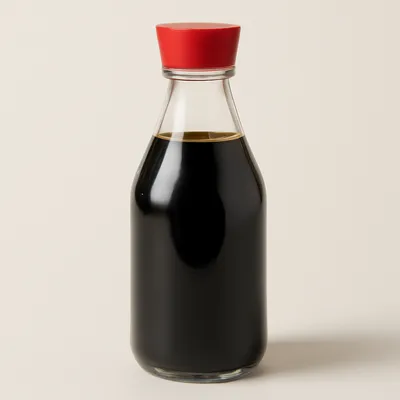
Pour the dark soy sauce and light soy sauce down the side of the wok (not over the noodles directly) so it hits the hot metal and sizzles before coating the noodles; toss to lacquer.
Watch outPouring soy directly onto cold noodle surfaces steams and bleaches them — always pour down the hot wok wall.
- 72 min
Return the beef, add bean sprouts and scallions, and toss over maximum heat for 60 seconds until the sprouts soften slightly but retain crunch.
- 81 min
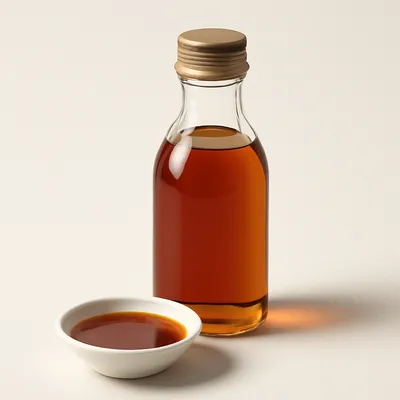
Drizzle sesame oil over, plate immediately, and serve without delay — wok hei dissipates within minutes.