A high-heat Teochew stir-fry of broad, flat rice noodles (kway teow) tossed with garlic chives, bean sprouts, and egg, and seasoned the Chaoshan way with fish sauce and a little dark soy for color. The home version from Chaoshan is restrained — fish sauce, lard, garlic, often a few slivers of preserved radish and a little pork or shrimp — letting the rice fragrance of the noodle and the smoky breath of the wok carry the dish. The noodles must be seared hard and kept separate, charring at the edges rather than clumping into a soft tangle. It is a daily hawker and home staple across Chaozhou and Shantou, and the direct mainland ancestor of the famous Southeast-Asian char kway teow.




Kway teow (粿条) is the broad, flat rice noodle of the Teochew people of Chaoshan in eastern Guangdong — rice ground to a milky slurry, steamed into thin sheets, and cut into strips. Stir-fried kway teow is an everyday Chaoshan dish with no single inventor, and the mainland home version is comparatively plain: fish sauce (鱼露) and lard (猪膋) rather than the vegetable oil and soy of Cantonese fried rice-noodle, with garlic, bean sprouts, garlic chives, egg, often preserved radish (菜脯) and a little pork or shrimp. In the 19th and early 20th centuries, Teochew and Hokkien migrants carried the dish to Penang and Singapore, where it grew richer and sweeter into char kway teow — fried in lard with dark sweet soy, chili paste, prawns, blood cockles (血蚶), and Chinese sausage (腊肠). That diaspora dish exists in its own right; this entry is the restrained Chaoshan original it grew from.
The noodles come to the mouth slick and faintly chewy, edged here and there with a hard-seared char and the smoky perfume of the wok. The seasoning is clean and savory rather than sweet: fish sauce gives a deep marine salinity and a whiff of funk that plain soy never has, lard rounds it, and the garlic chives go in last so they stay bright-green and fragrant. Bean sprouts snap with water and freshness, the egg coats the strands in soft gold, and any preserved radish drops in little salty-crunchy bursts. Each strand should be separate and glossy, never soft or gummy; the rice noodle itself tastes faintly of rice, and the whole plate is light enough to eat a heap of.
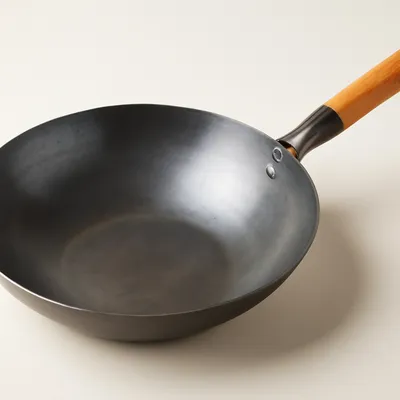
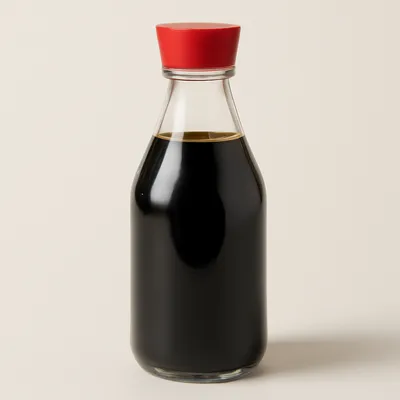
Everything hinges on a screaming-hot wok and a light hand with the spatula. Kway teow is made from rice milled to a slurry with only enough potato starch to set the sheet, so it is nearly pure rice — milky-white, broad, and chewier than translucent Cantonese 河粉, which carries more added starch; that high rice-and-water content is exactly why the strands tear and stew into mush if stirred too much over weak heat. So the noodles are seared over the highest flame and tossed as little as possible: contact with searing metal drives off surface water and browns the rice starch and sugars (the Maillard reaction), giving the prized 'wok breath' (锅气) — a smoky, slightly charred fragrance that exists only at very high temperature. Bean sprouts must be drained bone-dry or they weep water and the noodles go soft. Fish sauce is the Teochew signature: fermented from anchovy and salt, it is loaded with free glutamate and amino acids, so it seasons with a marine umami and savory depth that soy alone cannot match, and it is splashed down the hot side of the wok so it sizzles and concentrates rather than puddling. The egg is pushed in to coat the strands, the garlic chives thrown in at the very end to keep their volatile aroma, and the dish is served the instant it is done.
Variations
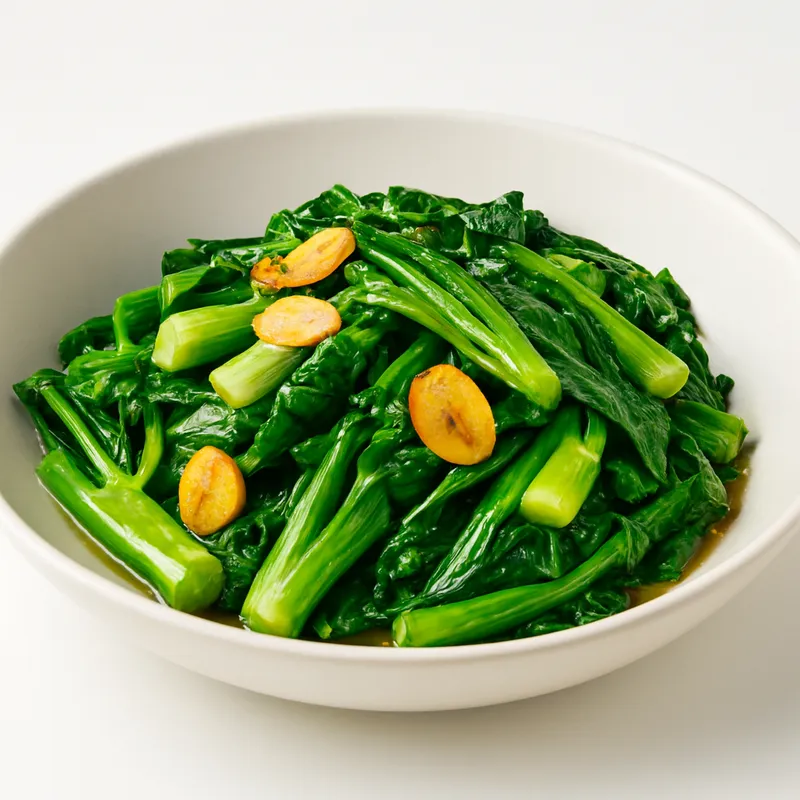
Within Chaoshan the dish flexes with the cook: greens may be Chinese kale (芥蓝), shredded bamboo, jicama, or cabbage in place of or alongside the sprouts; the protein may be sliced beef, pork, a thin meat patty, or shrimp; a vegetable-and-preserved-radish version with no meat is eaten as 'plain kway teow' (素粿). Some Chaoshan cooks add a spoon of sha cha sauce or chili paste for a darker, spicier, more aromatic plate. The far better-known relative is Southeast-Asian char kway teow — the same Teochew noodle taken to Penang and Singapore and built up with lard, sweet dark soy, chili paste, prawns, blood cockles, Chinese sausage, and sometimes duck egg into a richer, sweeter, glossier dish. The non-negotiables of the mainland original stay the same: a blistering wok, fish sauce over soy, and strands kept separate and lightly charred.
On the Palate
Where Teochew Fried Kway Teow sits in the Chinese flavor cloud
Ingredients
Serves 2

How it's made
5 steps · 10 min active + 10 min waiting
- 110 min
Loosen the flat rice noodles by hand so the strands separate; if cold or stuck, warm them briefly so they don't tear when fried. Drain the bean sprouts completely dry and cut the garlic chives into finger-lengths.
Watch outLoosen the flat noodles and drain the sprouts bone-dry — kway teow is nearly pure rice and tears into mush if it's wet or over-stirred on weak heat.
- 22 min
Heat a wok until smoking with lard or oil; fry the garlic and any pork, shrimp, or preserved radish over high heat until fragrant.
- 32 min
Push the aromatics aside, crack in the egg, let it just set, then add the noodles and sear over the highest heat, tossing as little as possible so the strands char lightly and stay separate.
Watch outSear over the highest flame and toss as little as possible — searing metal chars the rice starch for wok breath; keep flipping and the strands break up and stew.
- 41 min
Splash fish sauce and a little dark soy down the hot side of the wok and toss through for color and savor, keeping the noodles dry-fried rather than wet.
- 51 min
Add the bean sprouts and garlic chives, toss for only a few seconds until just wilted and still crisp, and serve at once while it carries the wok breath.