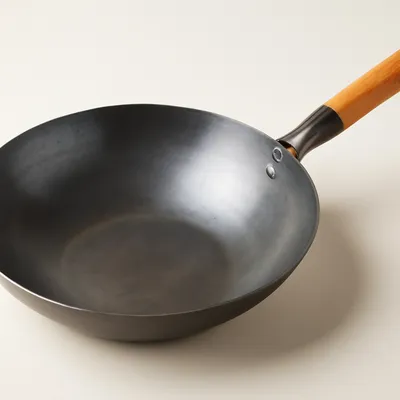
Wok
specialtyA carbon-steel hemispherical pan, 30-40 cm across, with a rounded bottom and high sloping walls. The bottom takes ferocious direct heat — a properly seasoned wok over a roaring gas flame holds 250-300°C, hot enough to deliver wok hei, the breath-of-the-wok smoky char prized in Cantonese stir-fry. The sloped walls give cooler zones for batch-cooking, and the rounded bottom lets a single tossing motion distribute oil and food evenly.
Documented in Han-dynasty bronze-and-iron foundry records (~2nd century CE), the wok evolved with cast-iron metallurgy in southern China. The hemispherical shape suits the high, narrow firepots of Chinese kitchen stoves — a flat-bottomed pan would lose contact with the flame. Carbon-steel wok-making spread along the southern coast in the Tang and Song dynasties, becoming the Cantonese kitchen's defining tool by the 1800s.
Native to
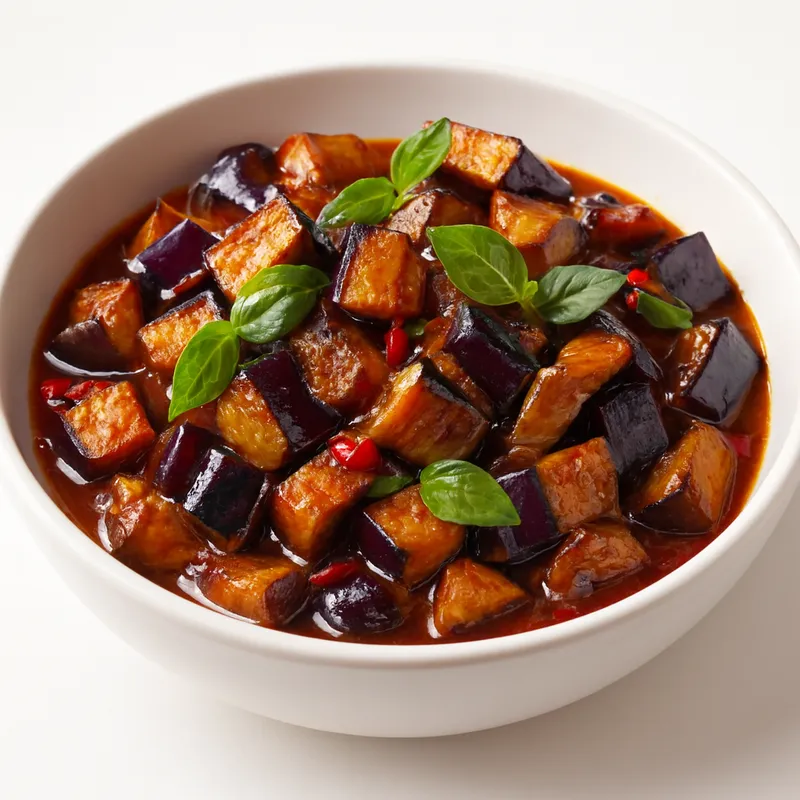
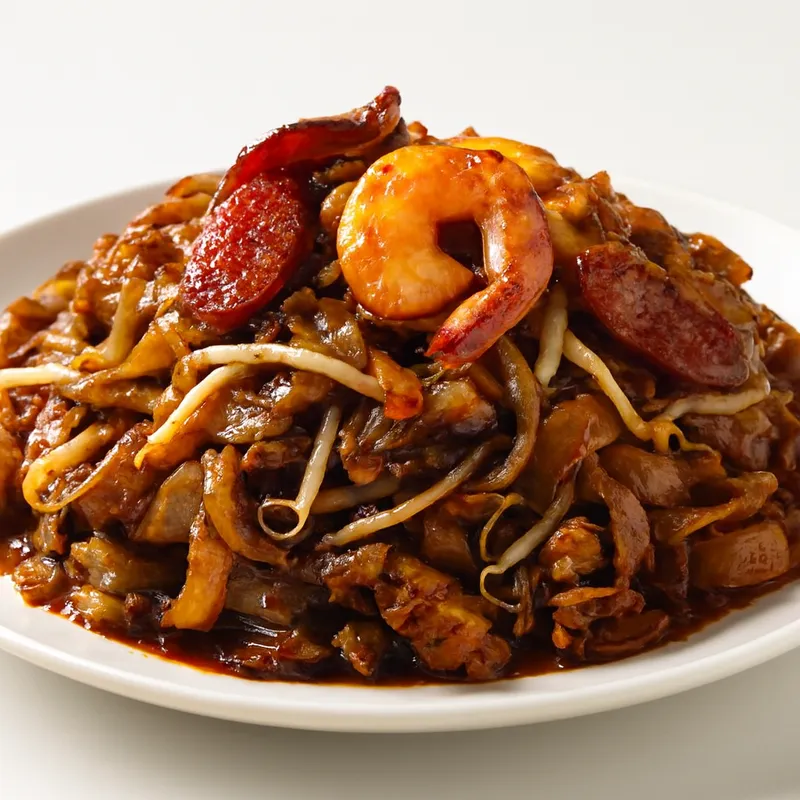
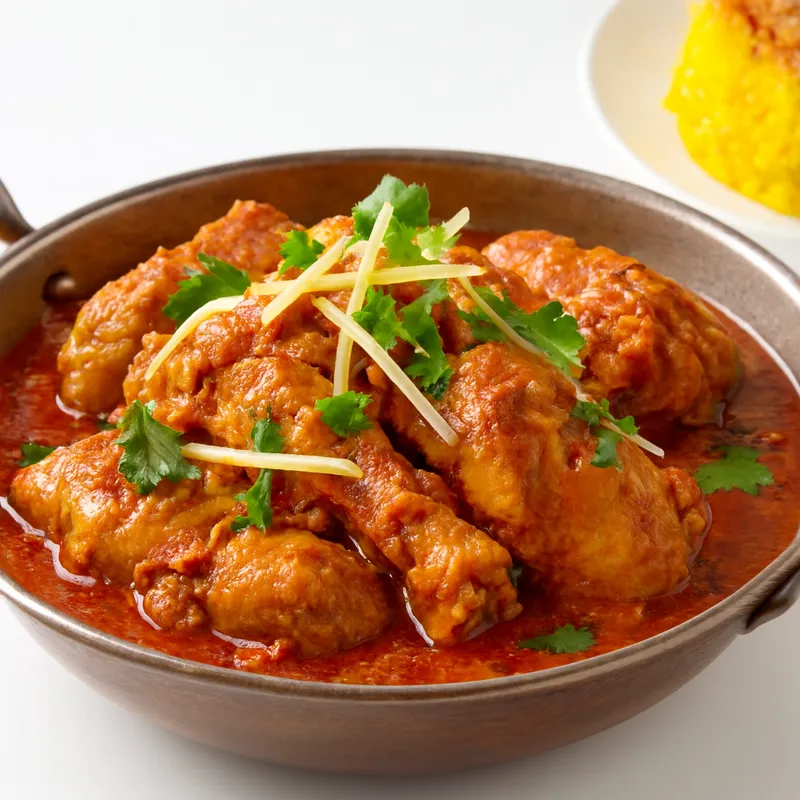
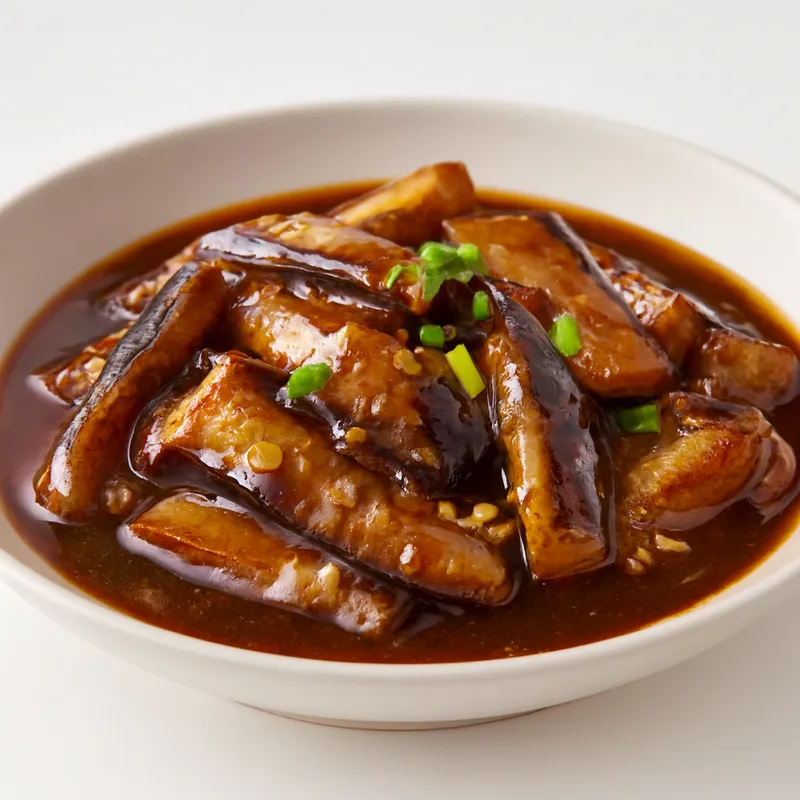
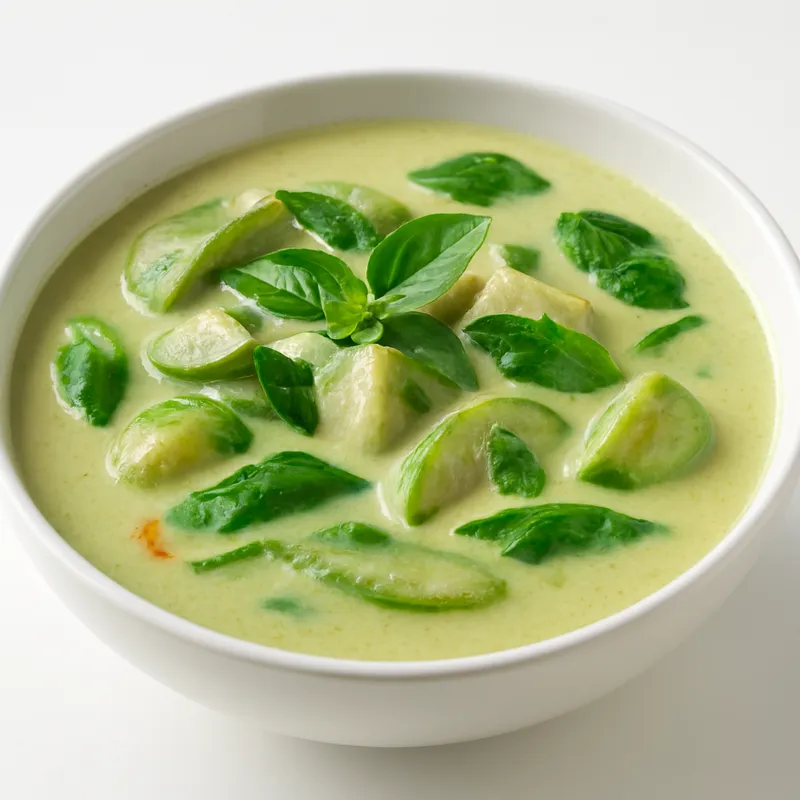
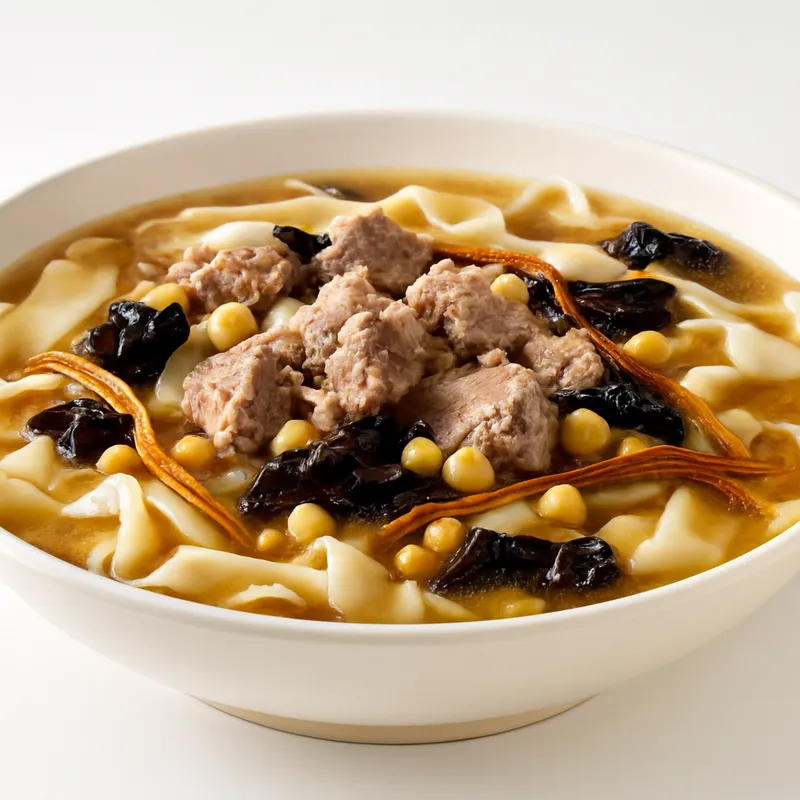
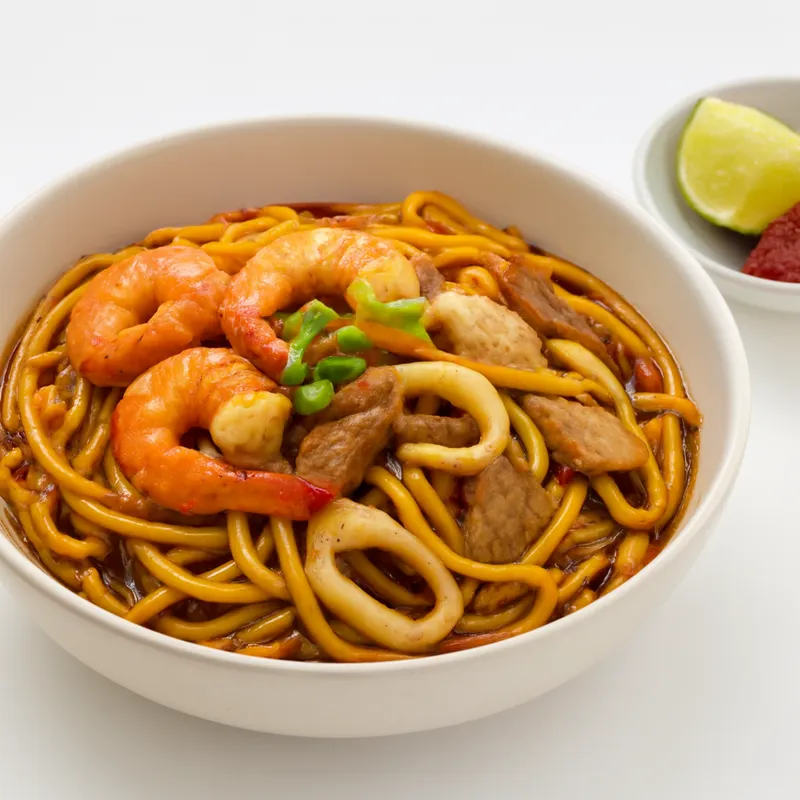
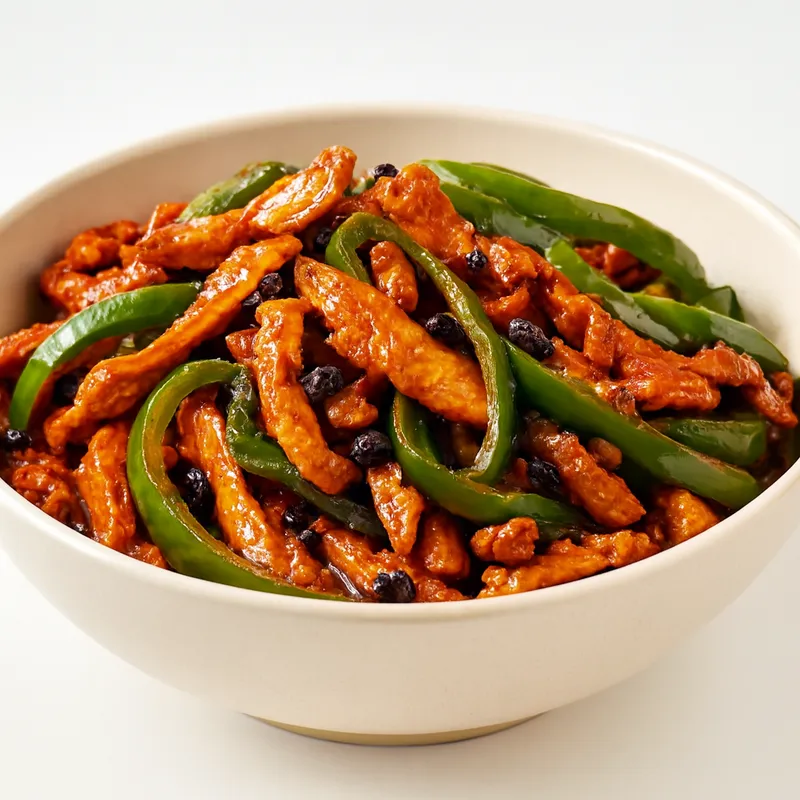
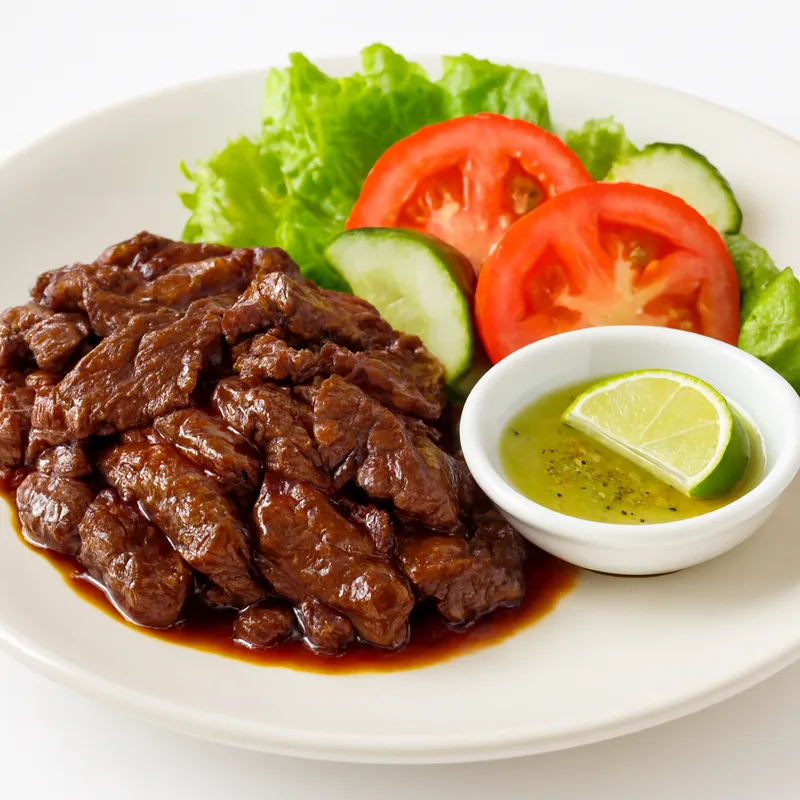
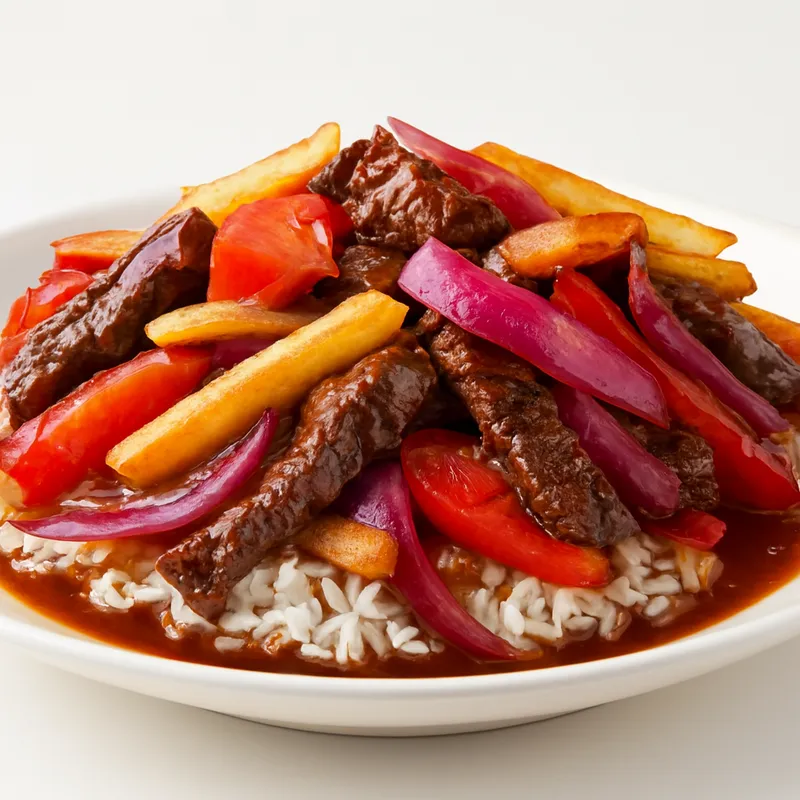
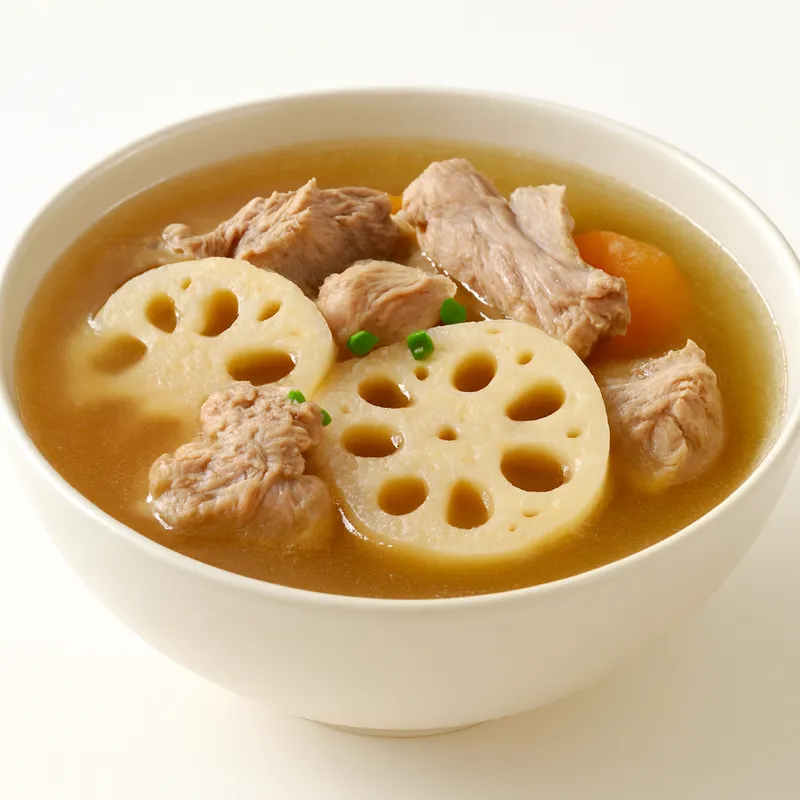
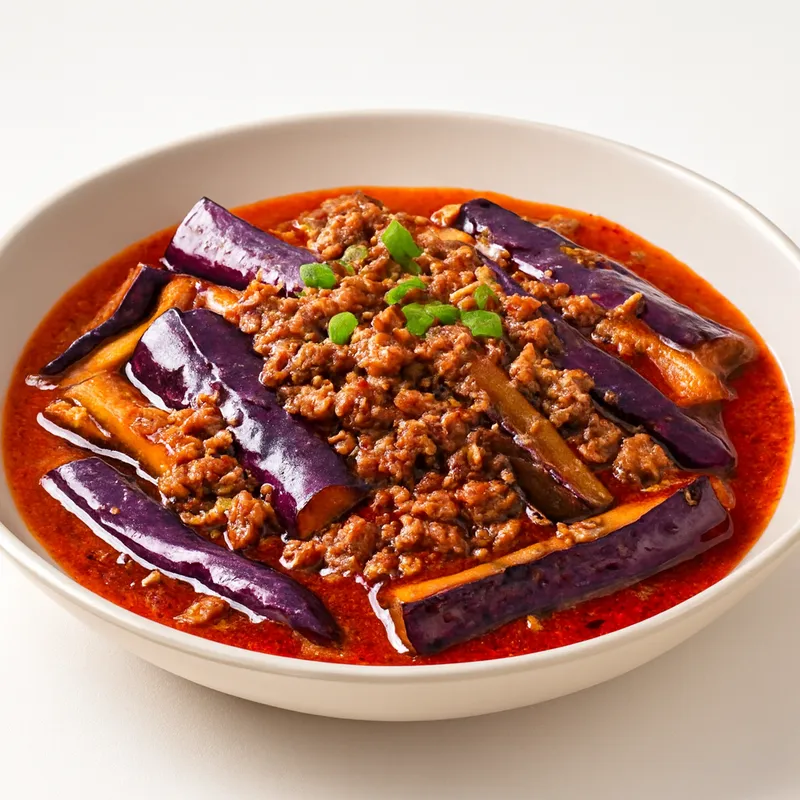
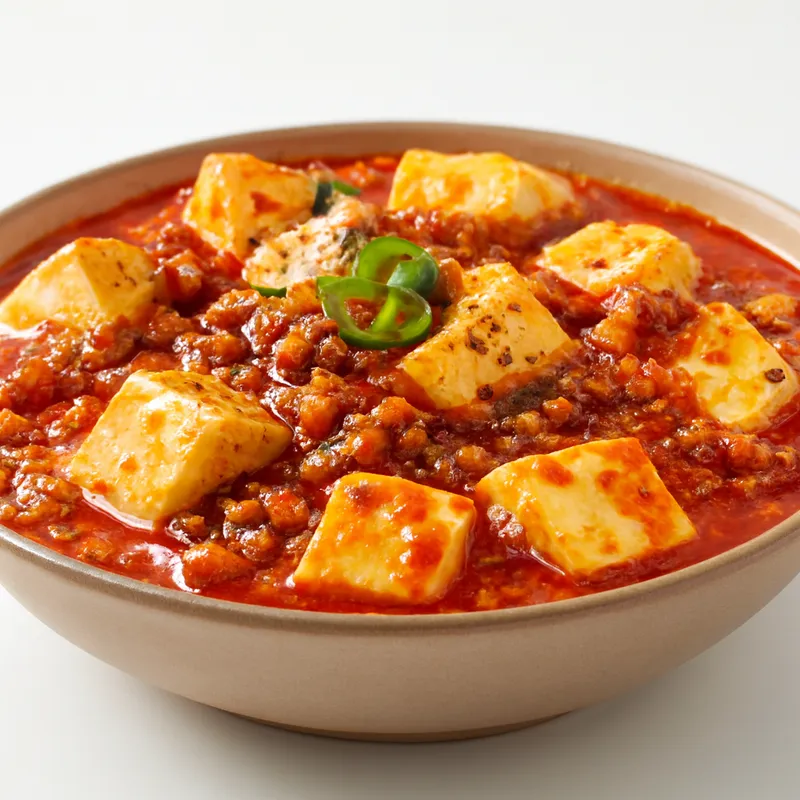
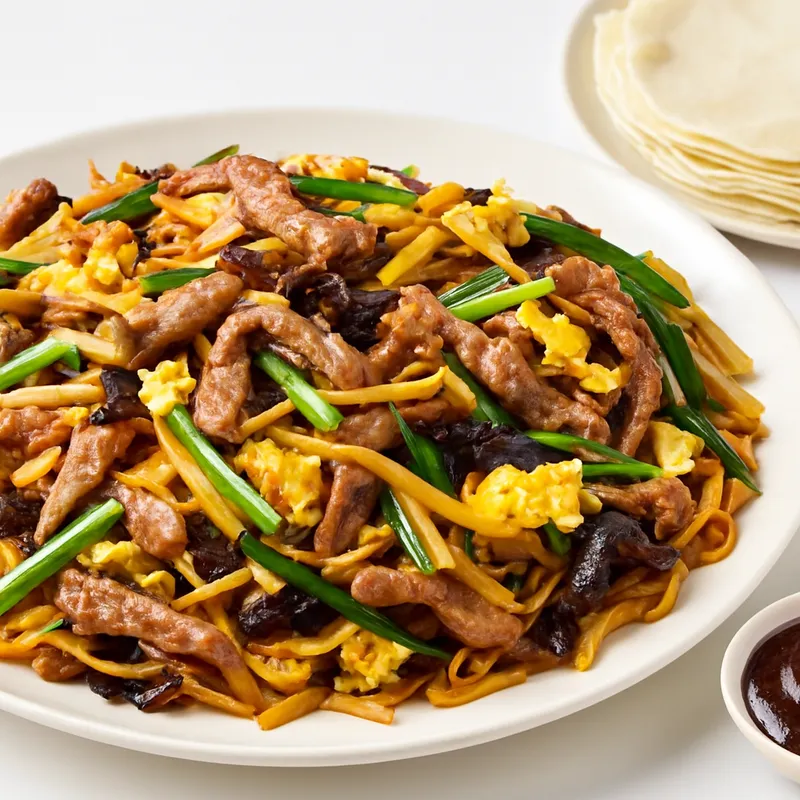
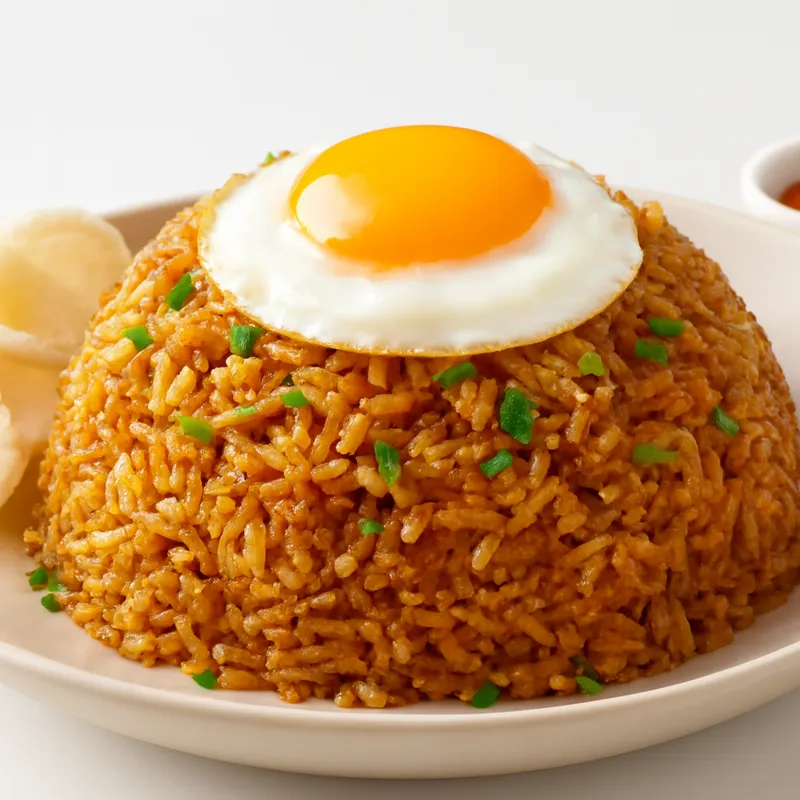
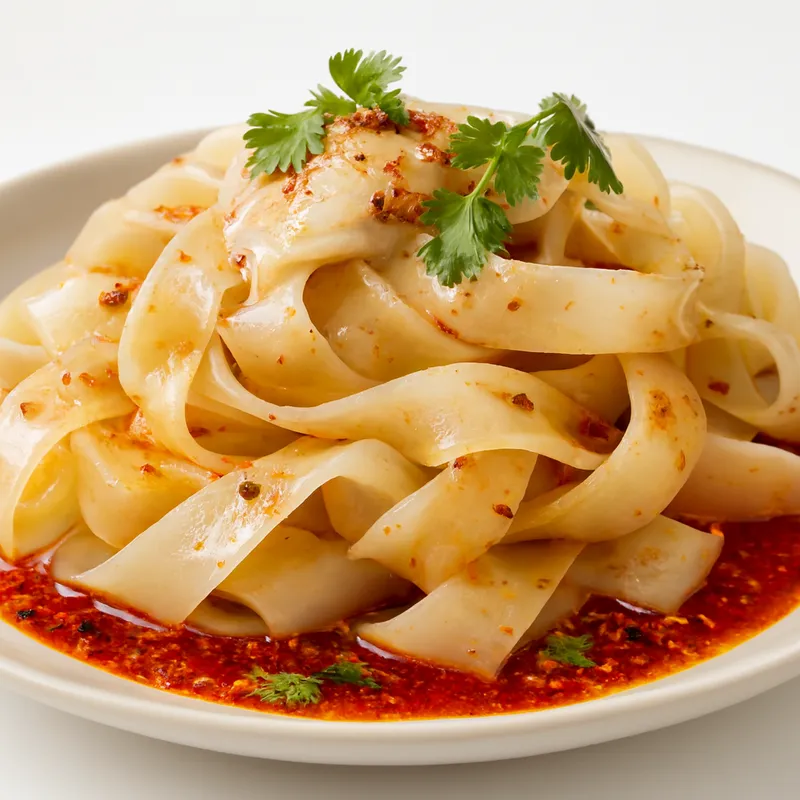
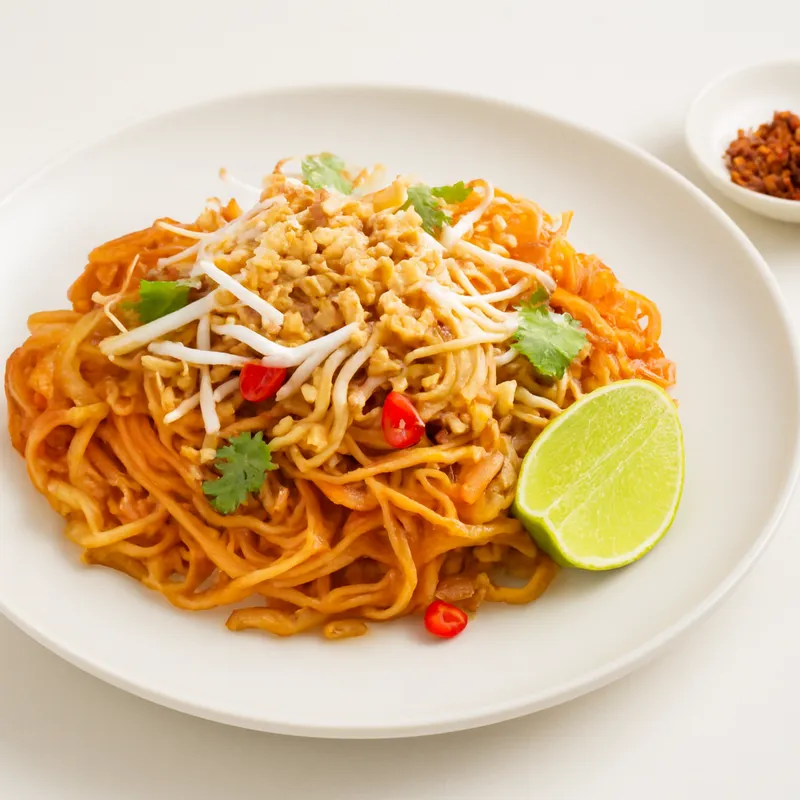
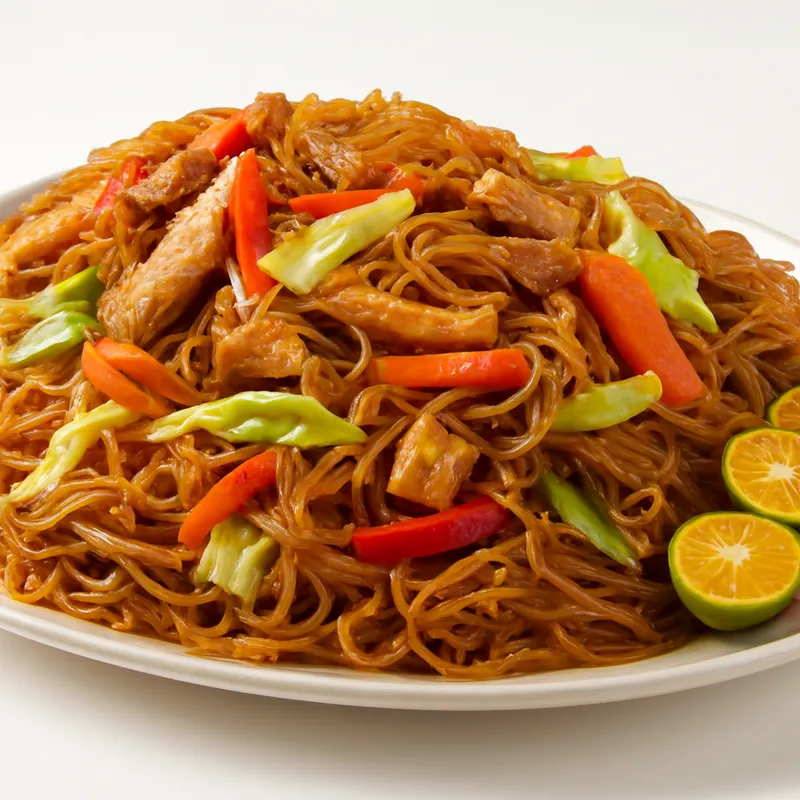
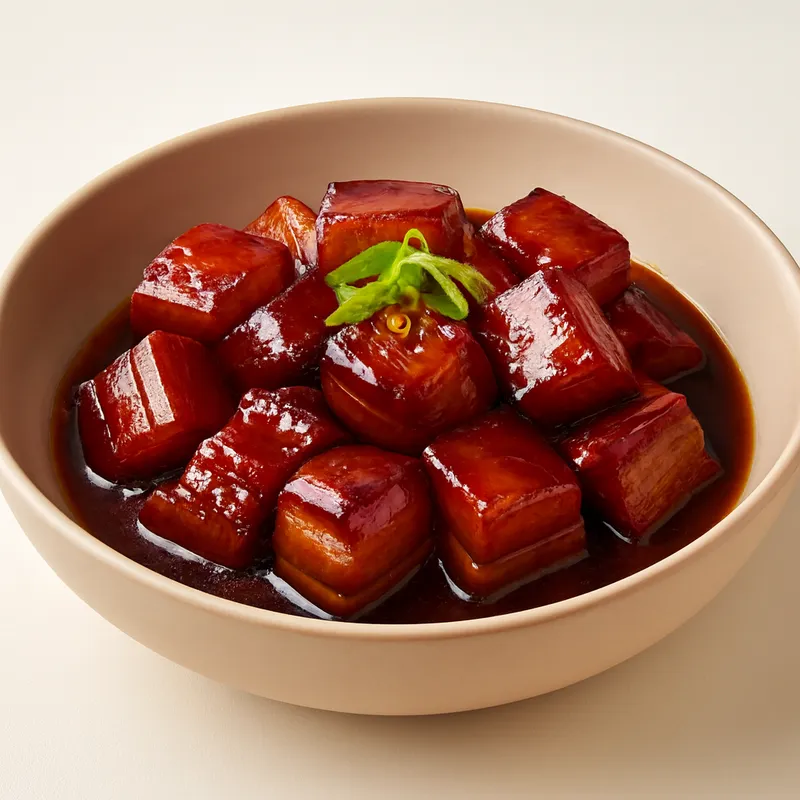
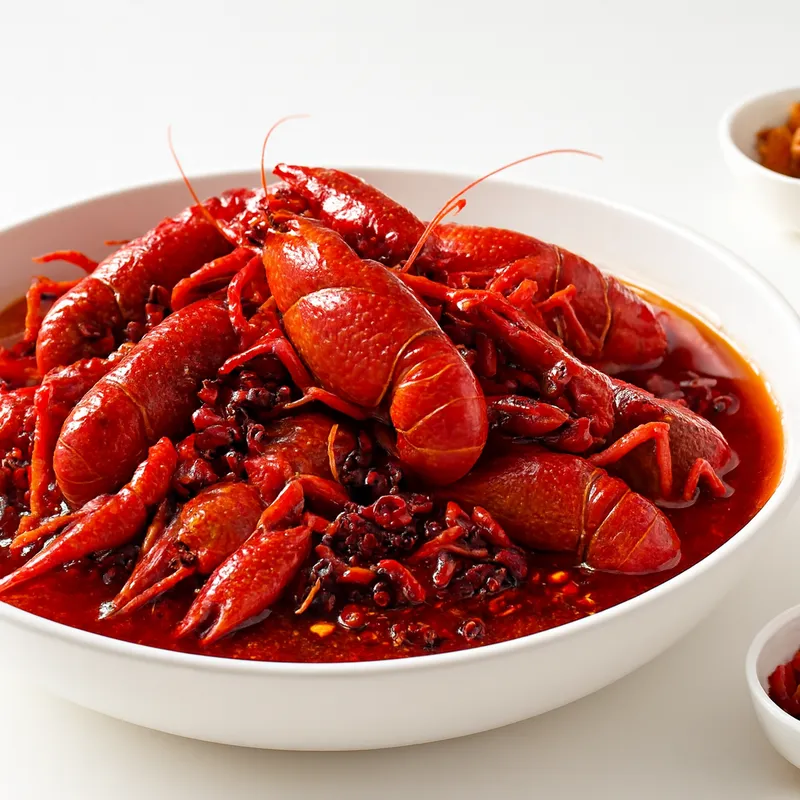
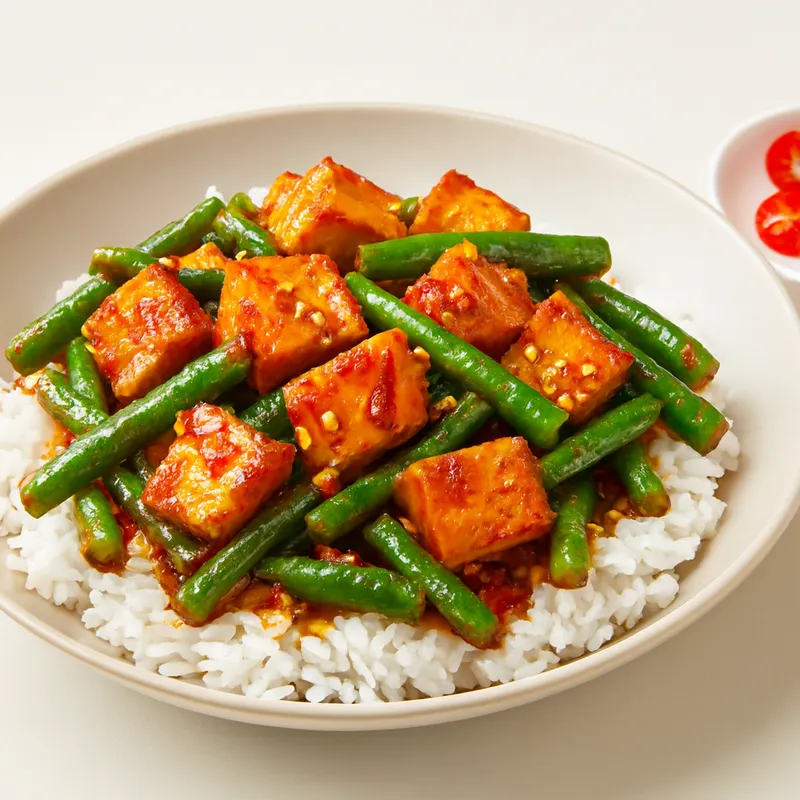
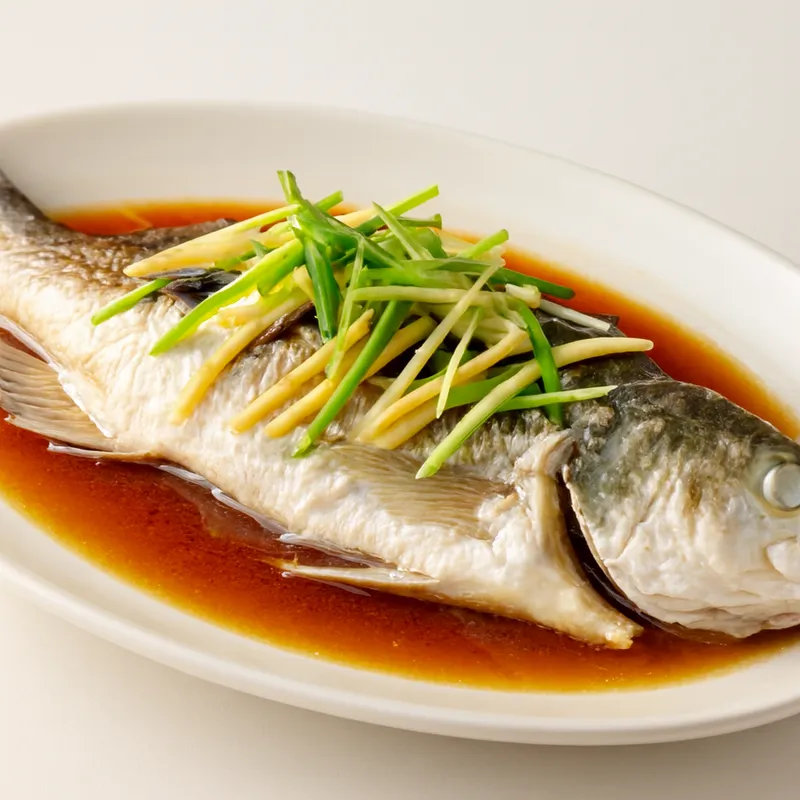
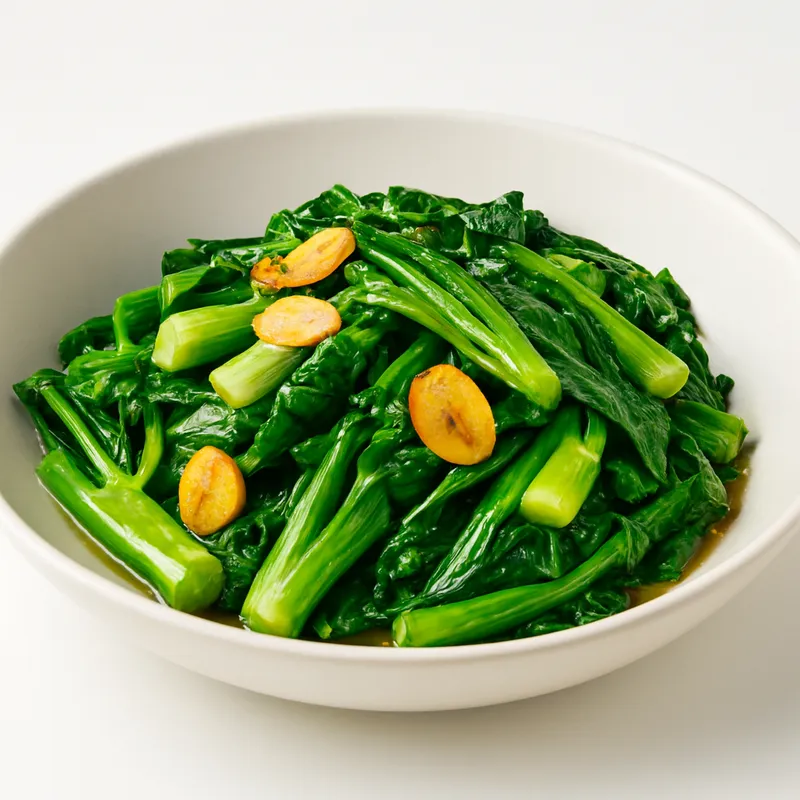
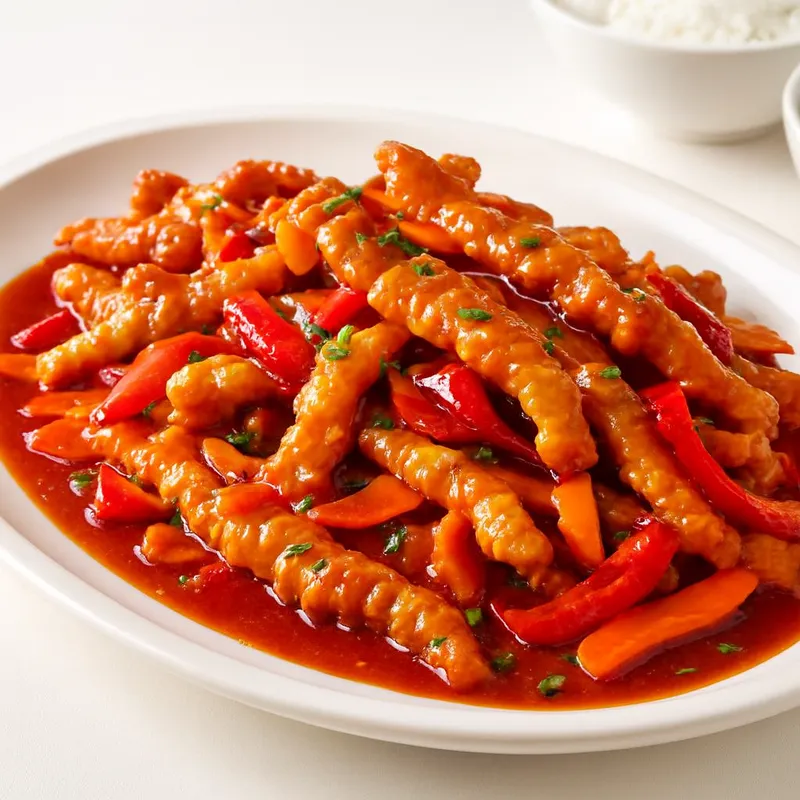
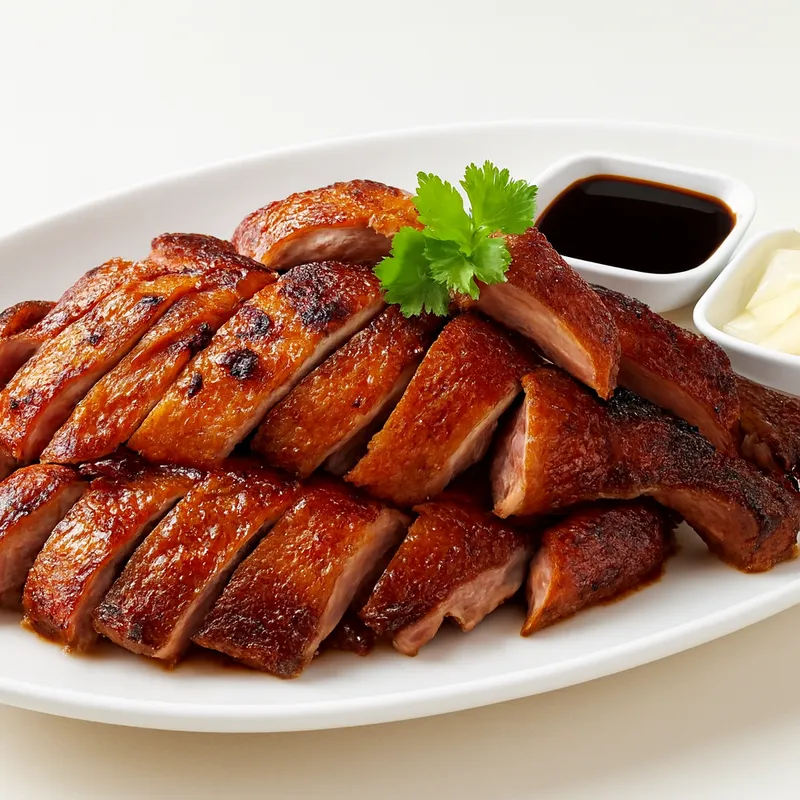
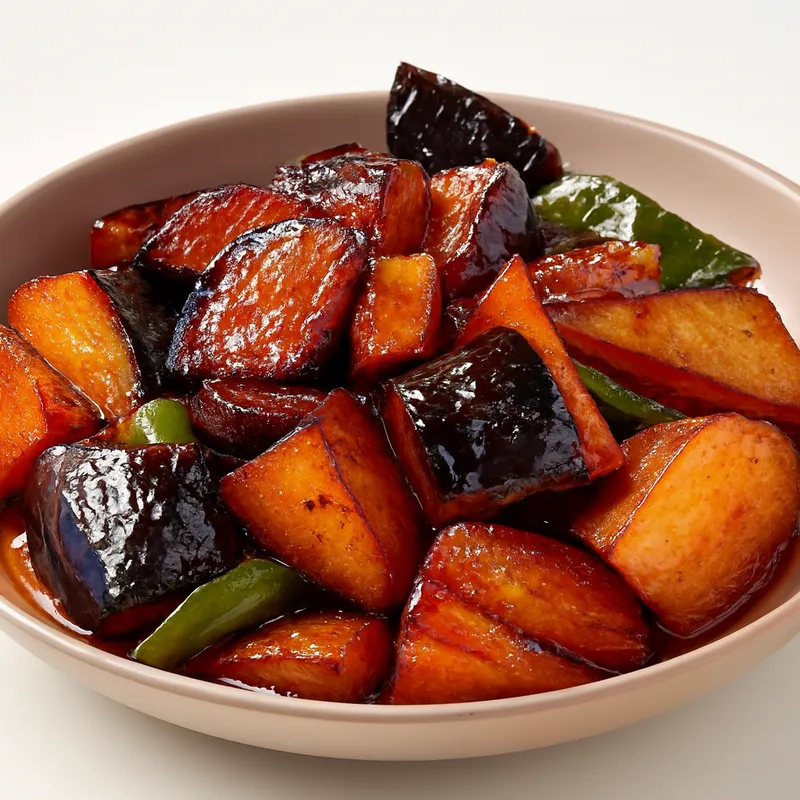
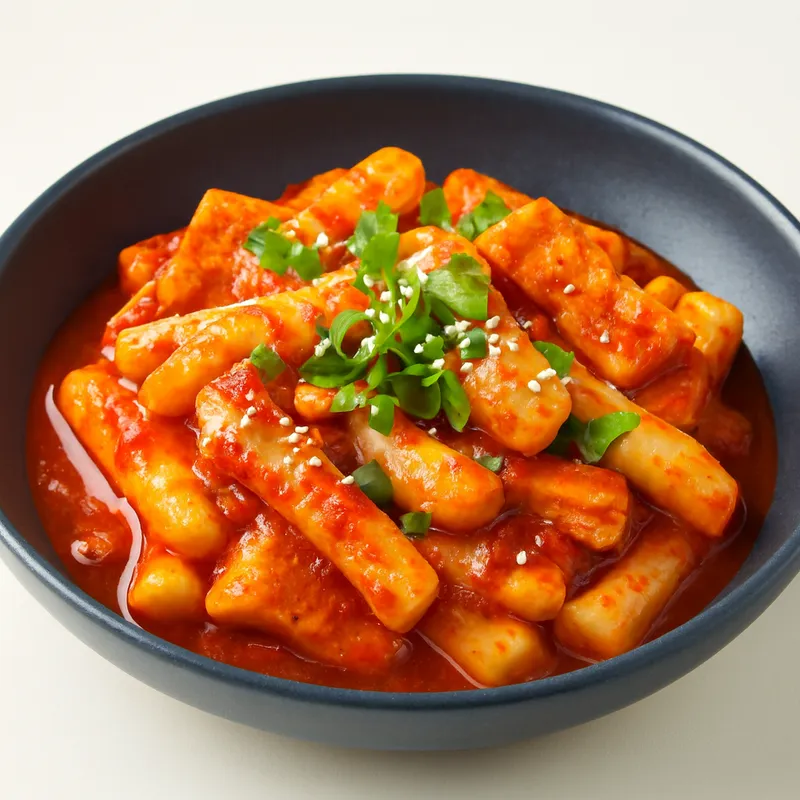
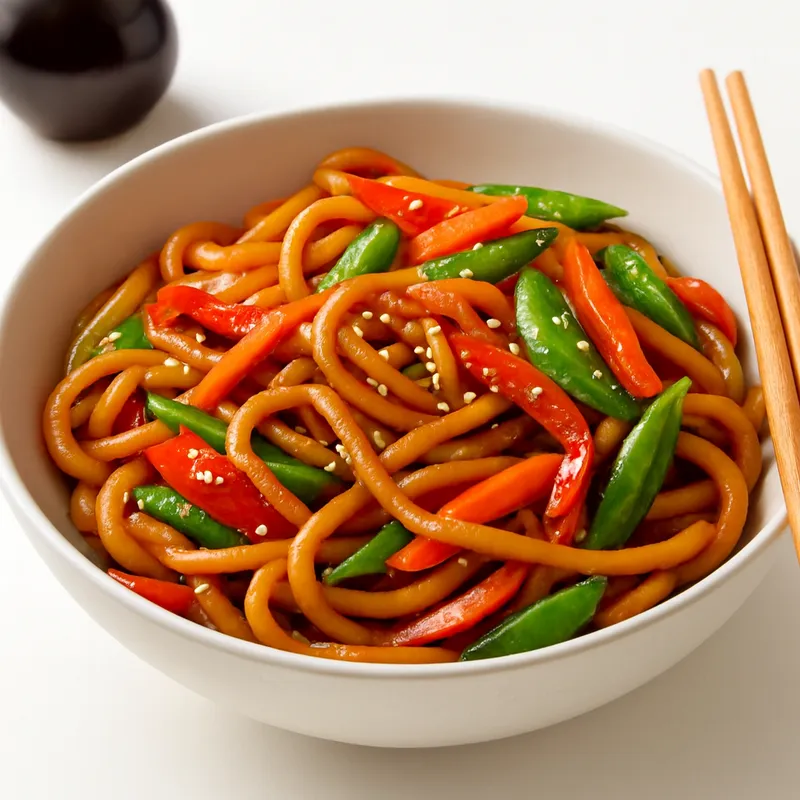
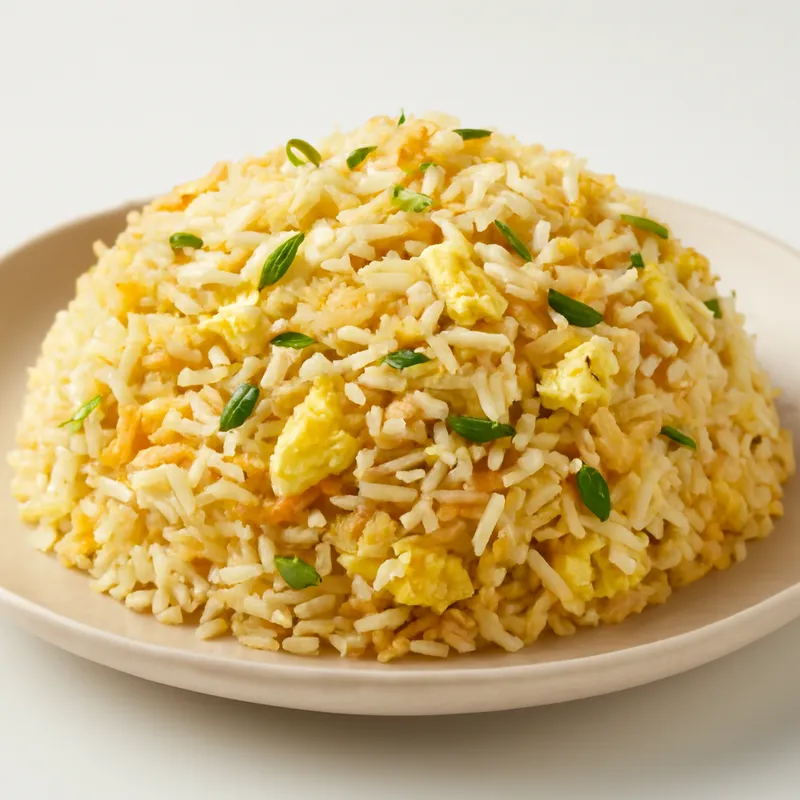
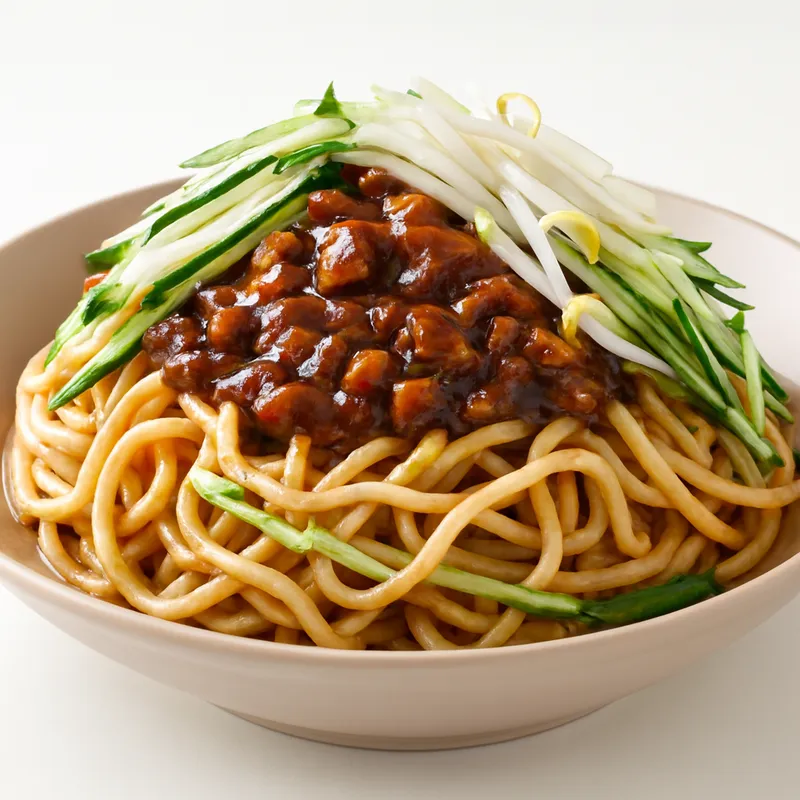
Featured in dishes