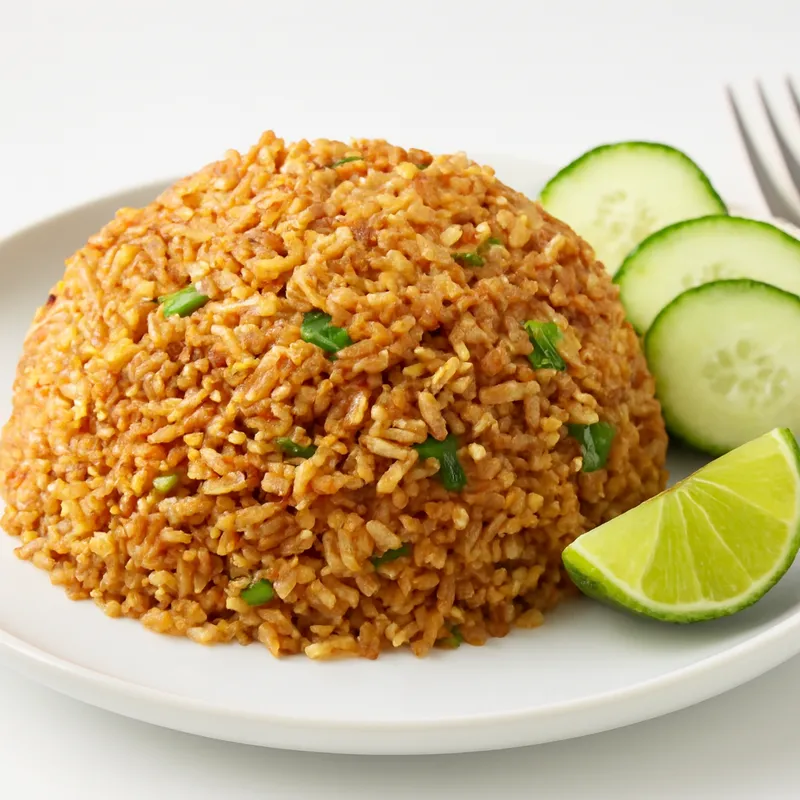
Stinky beans (sataw, parkia speciosa) stir-fried with prawns, gapi shrimp paste, garlic, and red chiles — Southern Thai polarizer; the beans carry a sulfurous note close kin to durian.





Sataw is a tropical legume native to Southern Thailand, peninsular Malaysia, and Sumatra — the pods grow on tall trees in monsoon rainforest. Pad sataw is a Southern Thai household stir-fry; the same bean appears in Malay (petai) and Indonesian (sambal petai) kitchens. The Southern Thai version leans on gapi — the regional fermented shrimp paste — rather than the sweeter Malay sambal base. Eaten year-round but at peak in the southwest monsoon harvest, roughly July to October.
Sataw (Parkia speciosa, stink bean) grows on tall trees in southern Thai, peninsular Malaysian and Sumatran rainforest; pad sataw is the southern Thai household version. The cyclic polysulfides smell like durian and vaporize fast — eat it within minutes off the wok.
The smell hits first — sulfurous, slightly fermented, the closest thing on a savory plate to durian. The bean itself is firm, almost crunchy, hollow-ish at the centre, with a faint bitter green-bean flavor under the funk. The shrimp paste is the bridge: marine-deep saltiness that makes the beans read savory rather than feral. If the dish smells like nothing, the gapi wasn't toasted long enough; if the beans are limp, they were over-cooked.
The bean's smell comes from sulfur compounds (cyclic polysulfides) similar to those in garlic and durian — they vaporize fast at wok heat, which is why pad sataw is most aromatic in the first minute off the wok and turns harsh after a day. The gapi must be toasted, not just stirred in: raw shrimp paste tastes sharp and ammonia-edged; 20-30 seconds against hot metal converts amines into the deep umami baseline that anchors the dish.
Variations
Pad sataw goong sai gapi (with shrimp and shrimp paste) is the southern Thai canonical; Malay sambal petai uses sweeter chile paste; Indonesian petai dengan tempe pairs the bean with fermented soybean cake; Singapore Peranakan kitchens cook it with belacan and dried shrimp.
On the Palate
Where Pad Sataw sits in the Thai flavor cloud
Ingredients
Serves 3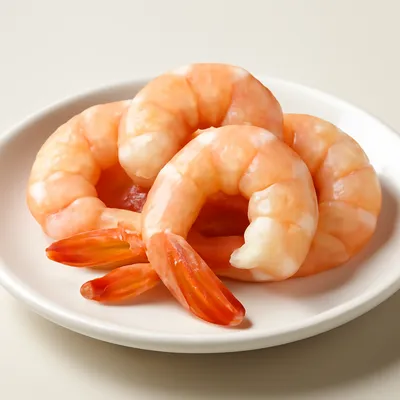
How it's made
5 steps · 12 min active + 8 min waiting
- 16 min
Shell 200g medium prawns; reserve heads and shells. Split prawns lengthwise, devein. Take 150g sataw beans (fresh or frozen) — split each pod-bean in half if large; whole if small.
- 23 min
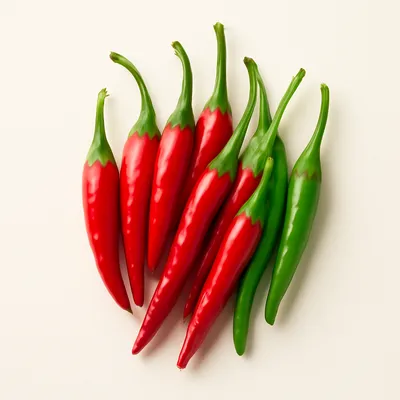
Pound 4 garlic cloves, 4 red bird's-eye chiles, and 2 fresh red spur chiles to a coarse paste in a granite mortar.
- 31 min
Heat 2 tbsp neutral oil in a wok over high heat. Fry the chile-garlic pound 20 seconds; add 1 tbsp gapi (Thai shrimp paste) — break it up against the wok and toast 30 seconds until the funk sharpens into a deep marine-savory.
Watch outBreak the shrimp paste against the hot wok and toast it a full 30 seconds — the sharp ammonia edge should deepen into a marine savory; stirred in raw it stays harsh.
- 43 min
Add prawns; toss 60 seconds until pink. Add sataw beans; toss 90 seconds — beans turn vivid green and the sulfur aroma blooms (this is correct; do not vent).
Watch outToss the beans just till vivid green and the sulfur smell surges up — that pungent hit means it's right; keep the fan low and eat it today, the perfume turns harsh by tomorrow.
- 51 min
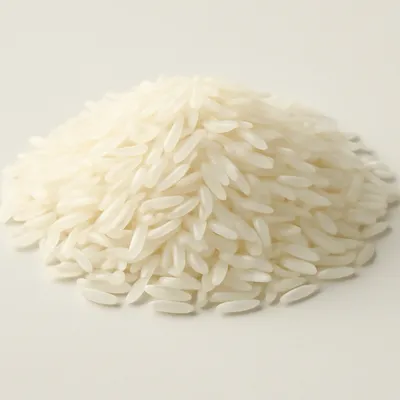
Season with 1 tbsp fish sauce, 1 tsp palm sugar, splash of water if dry. Toss to glaze, 30 seconds. Plate with jasmine rice — eat the same day; the bean's perfume turns harsh on day two.
Watch outAdjust the seasoning carefully; too much fish sauce can overpower the dish.
Archive tool suggestions — not reviewed
These legacy suggestions have not been evidence-reviewed and are not presented as required tools.