Blood cockles, blanched 20-30 seconds so the shells just gape, served with their bloody-red juice still pooled in the half-shell — eaten with nam jim seafood, a fish-sauce-lime-chile-garlic dip.




Blood cockles (Tegillarca granosa) are harvested from the muddy tidal flats of the Gulf of Thailand and the Andaman coast. The Bangkok-and-Southern eat-it-just-open style is one branch; cockles cooked longer (and steamed with herbs) are common in Northeastern and inland markets. The same species is also central to Malaysian char kway teow and Korean gomak, but the Thai treatment — barely-warmed, with raw chile-lime dip — is the most aggressive. The street stall name hoy khraeng has remained unchanged for generations.
Blood cockles (Tegillarca granosa) carry haemoglobin (most molluscs use copper-based haemocyanin and run grey-blue). Heat over 30-40 seconds and the iron-red goes brown and the meat seizes; hoy khraeng is closer to medium-rare than blanched.
The shell pries open into a half-bowl of red juice — yes, it's blood (cockle haemoglobin), and it's meant to be there. Meat is small, plump, sweet-mineral-iron, with a faint metallic edge that the lime-and-chile dip cuts in one bite. Texture is barely-set, almost custardy at the centre — a properly-cooked hoy khraeng is closer to medium-rare than blanched. Cook them 60 seconds and they are rubber pellets in dry shells.
Blood cockles carry haemoglobin in their tissue (most molluscs use copper-based haemocyanin and run blue-grey); the iron-bearing red colour stays vivid as long as the meat is barely cooked. Heat for more than 30-40 seconds and the haemoglobin denatures grey-brown and the meat seizes. Off-heat in covered hot water gives a gentler curve than rolling boil — you want the shell to relax open without cooking the centre. Vibrio risk is real if the source water is questionable; this is a dish for clean-water cockles.
Variations
Bangkok stalls serve them barely warmed with raw chile-lime nam jim seafood; northeastern markets cook them harder and add herbs; Malaysian char kway teow tosses them into the noodle wok at the last second; Korean gomak (same species) is steamed and dressed with soy-chile-sesame.
On the Palate
Where Hoy Khraeng sits in the Thai flavor cloud
Ingredients
Serves 4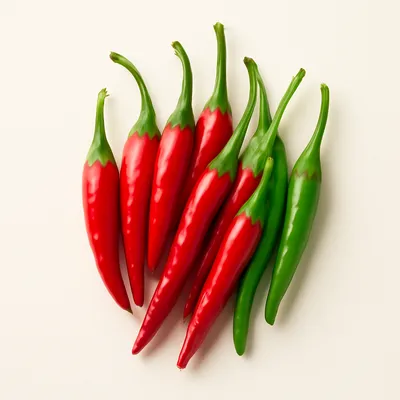
How it's made
5 steps · 10 min active + 5 min waiting
- 15 min
Scrub 1kg blood cockles under cold running water until the shells are clean — they need no purging since they live in clean tidal sand.
- 22 min
Bring a wide pot of water to a rolling boil. Off heat, drop the cockles in; cover. Wait 25-30 seconds — shells crack open just enough to see red liquid pooling. Drain immediately into a colander; do not rinse with cold water.
Watch outOff the heat, cover, and count 25-30 seconds — pull them the instant the shells crack open and red juice pools; boil them and the meat greys, seizes, and dries.
- 33 min
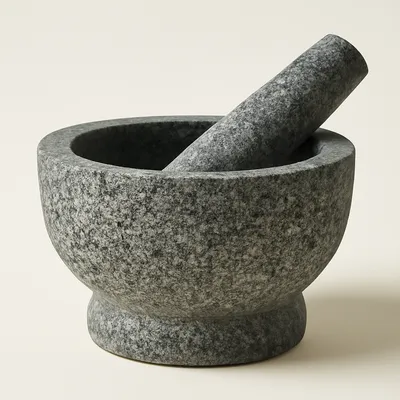
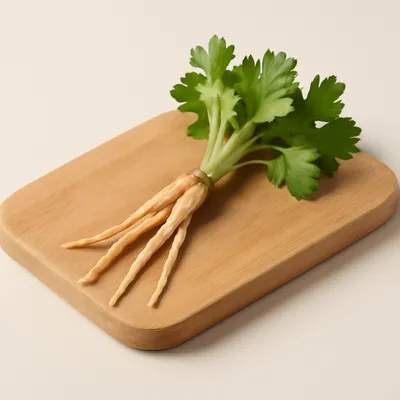
Pound 6 garlic cloves, 4-6 green Thai bird's-eye chiles, 1 stem cilantro root in a granite mortar to a coarse paste.
- 42 min
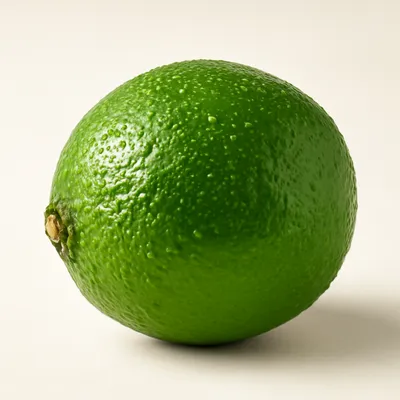
Stir in 3 tbsp fish sauce, 2 tbsp lime juice, 1 tsp palm sugar — taste and balance: the dip should be sharp-sour-salty-fierce, not sweet. This is nam jim seafood.
Watch outBalance the dip sharp-sour-salty-fierce with the sugar only propping the bottom — if it tastes sweet, it's wrong for cockles.
- 53 min
Pile the cockles still-warm on a platter. Serve with the nam jim in a small bowl on the side. Pry each shell open with a thumbnail or a small fork; tip in dip; slurp meat and juice together.
Archive tool suggestions — not reviewed
These legacy suggestions have not been evidence-reviewed and are not presented as required tools.