
Sheets of egg-yolk batter cooked in syrup, then each round pinched by hand into a fluted five-pointed flower and set into small cups to hold the shape as it cools. Thong yip — the name describes the pinching gesture — is the third of the royal gold egg-yolk sweets alongside thong yot and foi thong, and like them it is an auspicious wedding and ordination sweet, its little gold blossom standing for prosperity and grace.


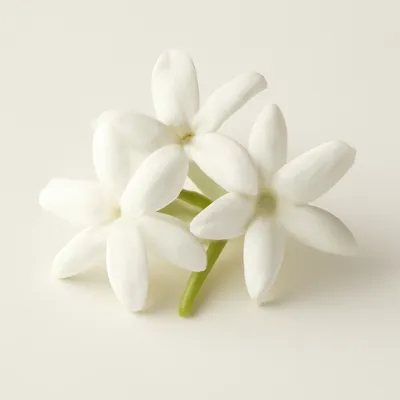
Thong yip is part of the duck-egg-yolk sweet repertoire brought into the Ayutthaya court in the 17th century and traditionally credited to Maria Guyomar de Pinha (Thao Thong Kip Ma), the Portuguese-Japanese-Bengali head of King Narai's royal kitchens. The technique descends from Portuguese convent egg sweets carried east through Goa and Macau, and is a cousin of the egg-yolk discs found in Iberian baking. Food historians debate how much was Maria's invention against an inherited Portuguese tradition she made famous; what is well documented is the Portuguese egg-sweet lineage and the place these gold sweets hold in Thai ceremony.
A small pleated flower, deep gold and glossy, that you take whole in one bite. The candied surface is faintly chewy and the inside is soft, dense, and very sweet — concentrated duck yolk against jasmine syrup, the same rich profile as the other gold sweets but in a thinner, more delicate form because the batter is cooked as a sheet rather than a drop. The pleating gives it a slight layered, ribbon-like give. Made well it holds its crisp little flower shape; made poorly it slumps or tastes only of sugar with the yolk lost.
Where thong yot is dropped into syrup, thong yip is cooked as a thin round sheet: beaten, strained duck yolk is spooned into hot syrup so it spreads and sets into a coin, which is lifted out still warm and pliable. The shaping is the craft and is racing the clock — while the disc is hot and supple the maker folds and pinches it into five points and presses it into a small cup, where it firms as it cools into a standing flower; let it cool flat and it can no longer be folded without cracking. As with all the gold sweets, duck yolk over chicken gives the density and colour, and a syrup held at the right simmer is what sets the body soft rather than hard and grainy.
Variations
Thong yip is one of the inseparable gold trio — thong yip (gold flower), thong yot (gold drops), foi thong (gold threads) — usually made and gifted together and often joined by met khanun and sangkhaya. The number of pleated points varies a little by maker, though five is the classic flower; some firm the batter with a touch of cooked mung bean for cups that travel better. The Portuguese egg-disc sweets remain the ancestral form.
On the Palate
Where Thong Yip sits in the Thai flavor cloud
Ingredients
Serves 8How it's made
8 steps · 45 min active + 5 min waiting
- 18 min
Separate duck eggs and strain the yolks through a fine sieve until smooth.
- 24 min
Beat the strained yolks gently until pale and even, without too much air.
- 36 min
Make a fragrant jasmine-scented sugar syrup and bring it to a steady simmer.
Watch outHold the syrup at a steady, gentle simmer — too hot and the yolk sets grainy and browns; the syrup temperature makes or breaks the disc.
- 48 min
Spoon the yolk into the hot syrup in small rounds so each spreads and sets into a thin disc.
- 55 min
Lift each disc out while still hot, warm, and pliable.
- 66 min
Working quickly, fold and pinch each warm disc into a five-pointed pleated flower.
Watch outFold and pinch each disc while it's still hot and pliable — race the clock; once it cools flat it cracks the moment you try to fold it.
- 74 min
Press each flower into a small cup or mould so it holds its shape.
- 84 min
Let the flowers cool and firm in the cups, then turn out and serve.


