Northern Thai noodle soup of egg noodles in a clear, lightly seasoned broth — the lesser-known sibling of the famous Chiang Mai yellow-curry-coconut khao soi.
Khao Soi Khaw (literally white khao soi) is the clear-broth lineage of khao soi found at certain Chiang Rai and northern shophouses, particularly along the old Yunnanese-Tai Lue trade routes. It predates or runs parallel to the more famous coconut-curry version associated with Chiang Mai's Chin Haw (Yunnanese Muslim) community. The clear version is closer to the original noodle-in-broth idea brought down from Yunnan, before the Chiang Mai cooks layered curry paste and coconut milk on top.
Clear-broth lineage of khao soi from Chiang Rai shophouses along the old Yunnanese-Tai Lue trade routes — predates or runs parallel to the famous coconut-curry version. No paste, no coconut milk: bone reduction, white pepper, fish sauce only.
A bowl that looks almost like a Chinese-style egg noodle soup at first glance — clear gold broth, no orange slick — until you notice the crispy noodle nest, the pickled mustard, and the lime wedge that mark it as Lanna. The broth is meaty and pepper-warmed; the lime cuts through at the last second. If the broth tastes flat, the cook didn't reduce the bones long enough; if it tastes of curry, somebody made the wrong khao soi.
The whole identity hinges on what's NOT in the bowl: no curry paste, no coconut milk. The flavor has to come from bone reduction, white pepper, and fish sauce only — closer to a Chinese-Yunnanese broth than a Thai curry. The crispy fried noodle garnish is the one element kept from the curry version, because it's structural — without it, this just reads as plain noodle soup; with it, the bowl announces itself as khao soi.
Variations
Chiang Rai's Khao Soi Phor Jai runs the canonical clear version; Mae Salong (Yunnanese-Muslim hill village) adds dried Yunnan ham; the Chiang Mai coconut-curry khao soi is the famous offshoot; Burmese ohn no khao swè is the southwestern cousin (coconut milk plus turmeric and curry powder — closer to the curry branch than the clear one).
On the Palate
Where Khao Soi Khaw sits in the Thai flavor cloud
Ingredients
Serves 4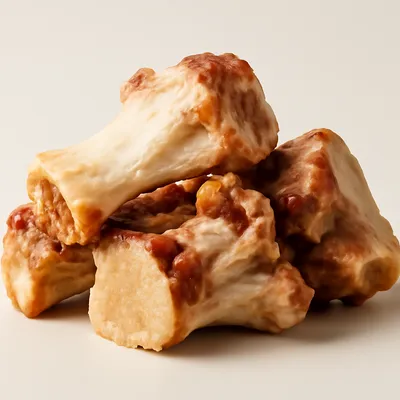







How it's made
5 steps · 35 min active + 25 min waiting
- 190 min
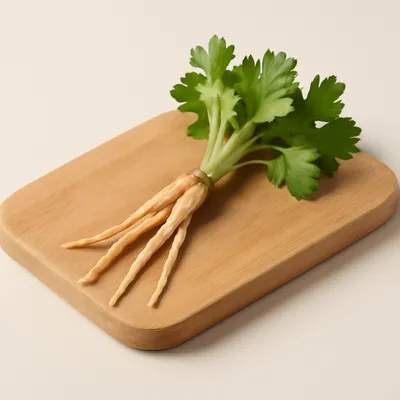
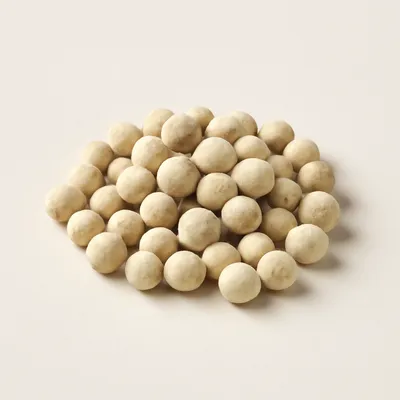
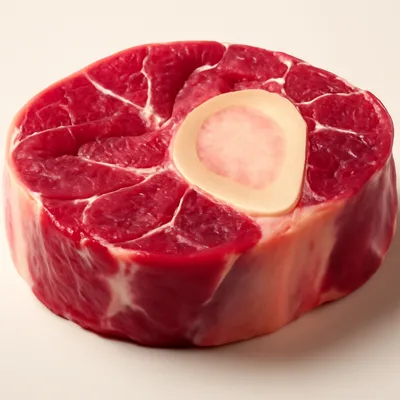
Simmer 1.5kg pork or beef bones in 3L water with 2 smashed garlic heads, 1 sliced onion, 4 coriander roots, 1 tsp white peppercorns. Skim every 10 minutes. Cook 90 minutes; strain to 2L clear stock.
Watch outSkim the bones every 10 minutes and keep it at a bare simmer — the whole flavor rides on a clean bone reduction, so cloudy stock means a muddy bowl.
- 245 min
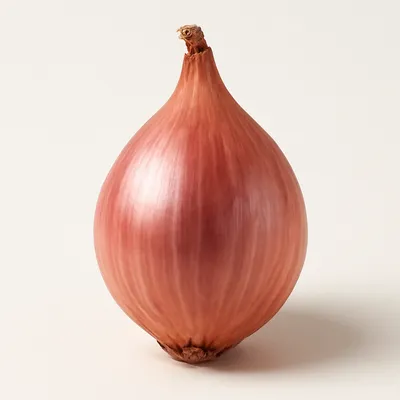
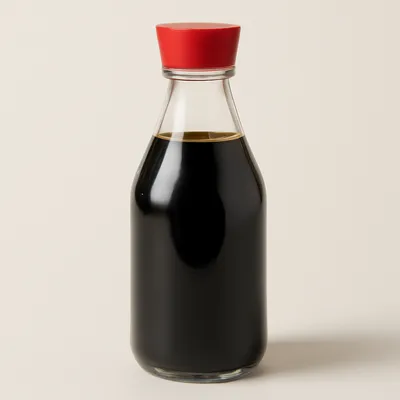
Brown 400g sliced beef shank or pork shoulder in 2 tbsp oil. Add 4 sliced shallots, 1 tbsp light soy, 1 tsp dark soy, 1 tsp palm sugar, pinch of salt. Pour in 1.5L stock; simmer 40 minutes until tender.
Watch outAvoid overcrowding the pan to ensure proper browning.
- 35 min
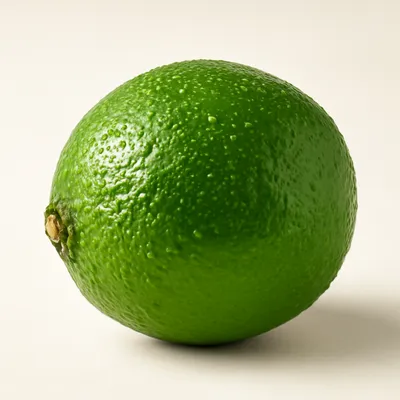
Season the broth with 2 tbsp nam pla (fish sauce), 1 tsp white pepper, juice of half a lime. Taste — should read salty-savory with a faint sweet edge, no curry depth. Hold hot.
Watch outSeason with only fish sauce, white pepper and lime — no curry, no coconut; taste for salty-savory with a faint sweet edge and nothing curry-deep behind it.
- 48 min
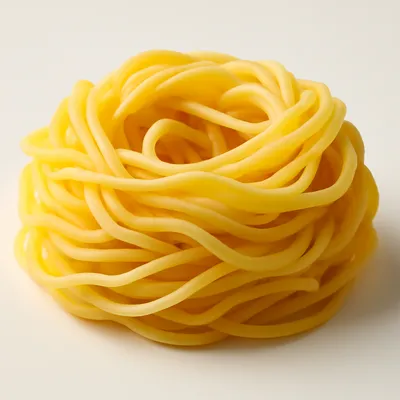
Boil 400g fresh egg noodles (ba mee) 90 seconds in salted water; drain and divide into 4 deep bowls. Reserve a small handful uncooked for the crispy garnish — fry in 180°C oil 30 seconds until puffed and gold.
Watch outFry the reserved raw noodles till puffed and gold — this crisp tuft is what makes the bowl read as khao soi instead of plain noodle soup, so don't skip it.
- 54 min
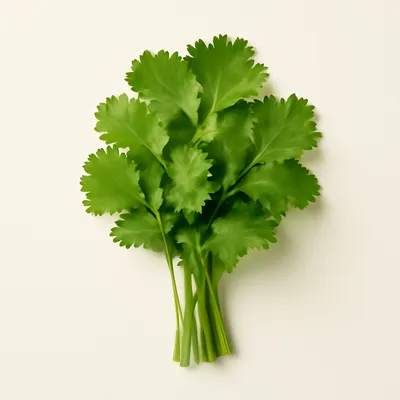
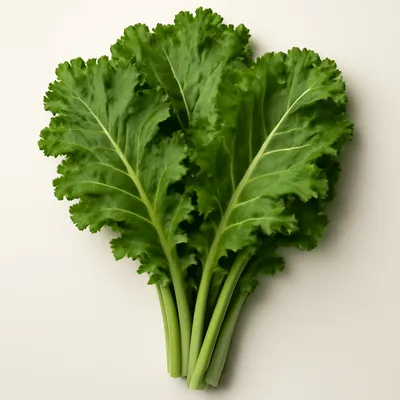
Ladle hot broth and meat over the noodles. Top each bowl with crispy fried noodles, sliced shallot, chopped Chinese mustard greens (phak gat dong), coriander, and a wedge of lime. Serve with chile flakes and nam som prik.
Archive tool suggestions — not reviewed
These legacy suggestions have not been evidence-reviewed and are not presented as required tools.