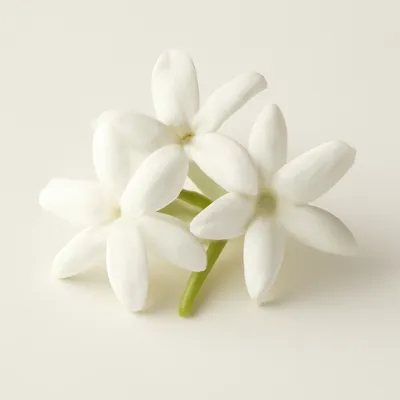
Jasmine exudes a sweet, floral aroma that captivates the senses, evoking warm, sunny days. Its delicate blossoms lend a fragrant note to dishes, enhancing their complexity with a whisper of elegance.
Where it comes from
Jasmine is revered in Asian cuisines, particularly in Indian and Middle Eastern traditions, where its blossoms symbolize love and purity. It has historical significance in tea culture, especially in jasmine tea blends.
In the kitchen
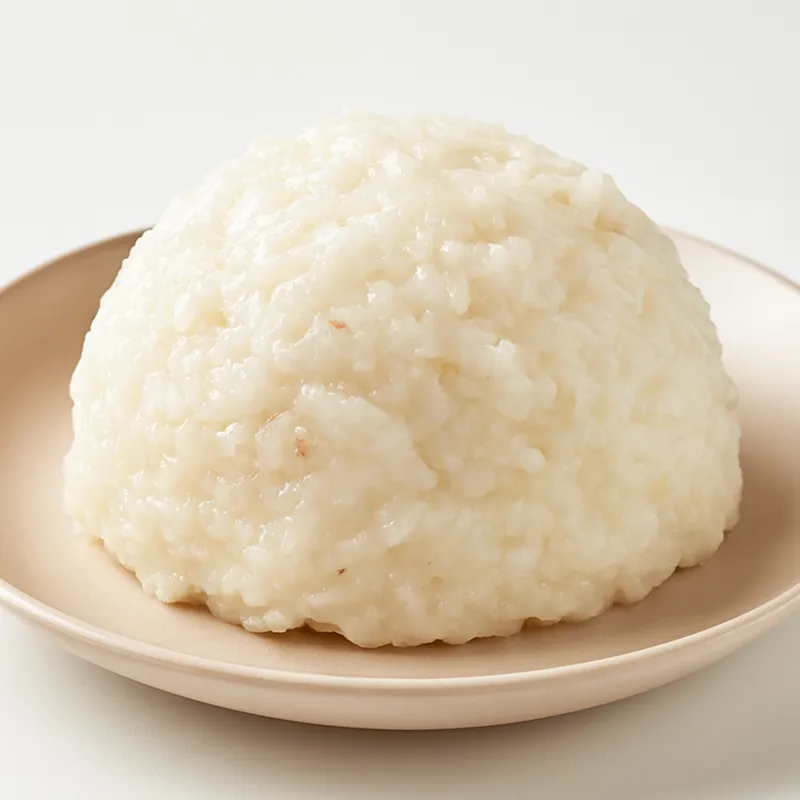
Jasmine is used to infuse rice, desserts, and teas, imparting its fragrant essence. Its flowers can also be candied for garnishing, elevating both visual appeal and flavor.
Across cuisines
Jasmine flowers are used to infuse a sweet, floral aroma into teas and desserts. The blossoms are often dried and added to green tea, creating jasmine tea, a popular beverage in many cultures. Jasmine is also used in syrups and aromatic rice dishes.
Nutrition (per 100g)
AI-estimated; model and run unavailable.