Royal Thai summer dish: jasmine rice in jasmine-flower-perfumed iced water, served with deep-fried shrimp paste balls, stuffed sweet pepper, candied pork, salted egg, and other elaborate side dishes.
Khao Chae entered the Siamese royal court via Mon descendants around the reign of King Rama IV (mid-19th century), having existed among the Mon since at least Rama II's time; originally a Mon hot-season offering at temples and palaces, it was refined inside the Grand Palace kitchens of Bangkok. By the late 19th century each side dish had a codified form — the shrimp-paste ball, sweet pork, stuffed pepper, salted egg, sweet daikon, candied shallot. Court cuisine emphasized labor and precision: women of the inner palace might spend two days on one bowl. Today Khao Chae appears mostly during Songkran (April), at heritage hotels and a few specialty restaurants.
Mon-origin hot-season offering refined inside the Grand Palace kitchens in early Rattanakosin Bangkok (early 19th c.). Each side dish was codified by the late 1800s — shrimp-paste ball, sweet pork, stuffed pepper, candied shallot. Inner-palace women spent two days on one bowl. Jasmine water is dual-perfumed: beeswax tian-op candle smoke, then the petals.
A crystal bowl of pure cold water — barely tinted, smelling of jasmine — over white rice grains. The water is the most surprising part: drinkable, faintly sweet from the flower-smoke, deeply chilled. You don't eat the rice with the sides; you eat the sides on tiny side spoons, each one a sweet-salty-funky bomb (the fermented shrimp ball is the loudest), then return to a calm sip of rice-and-jasmine. The whole point is contrast — court cuisine at its most baroque, designed for hot-season relief.
The rice must be washed-twice and cold so individual grains stay separate in the water — sticky surface starch would cloud the broth. The jasmine water is perfumed by smoke from a beeswax 'tian op' candle inside a sealed jar, then by floating the flowers themselves; this dual perfuming gives a depth that fresh-petal infusion alone cannot. Side dishes are deliberately strong-flavoured because the rice and water are nearly neutral — without the flavour load on the side, the bowl tastes of nothing.
Variations
Songkran-only menus at Praya Palazzo and Mandarin Oriental Bangkok still run the full court set; Methavalai Sorndaeng simplifies to four sides; the Mon source dish in Pathum Thani temples skips the candle-smoke perfuming; Phetchaburi versions add the local palm sugar khanom for the sweet-pork ball.
On the Palate
Where Khao Chae sits in the Thai flavor cloud
Ingredients
Serves 4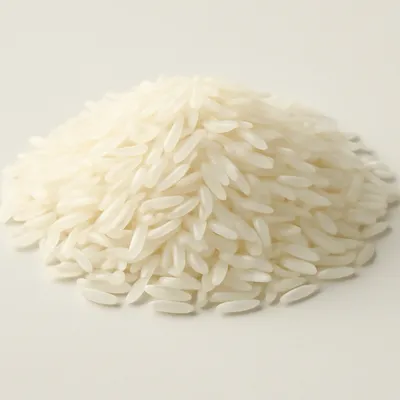








How it's made
6 steps · 3 hours active + 9 hours waiting
- 130 min
Day 1 evening: rinse 400g jasmine rice until water runs clear. Cook on the firm side (1:1.2 water ratio), spread on a tray to cool, then rinse again under cold water to wash off surface starch. Refrigerate.
Watch outAfter cooking, rinse the rice again under cold water till it runs clear — wash off that surface starch or it clouds the perfumed water and the whole bowl turns milky.
- 220 min
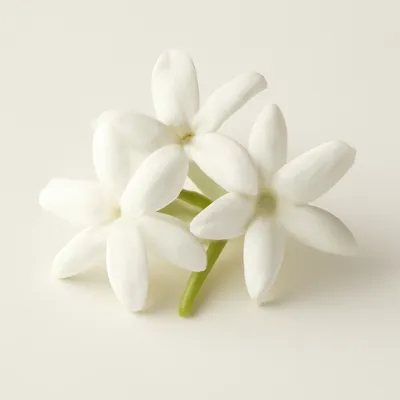
Make jasmine water: bring 1.5L spring water to a boil with a candle made from beeswax (tian op) lit and snuffed inside a closed jar — the smoke perfumes the water. Float 30 fresh jasmine flowers on the cooled water, cover, refrigerate overnight. Strain in morning.
- 340 min
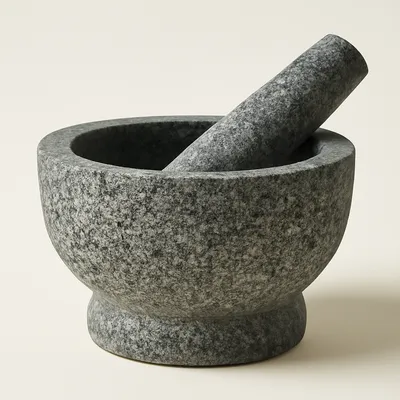
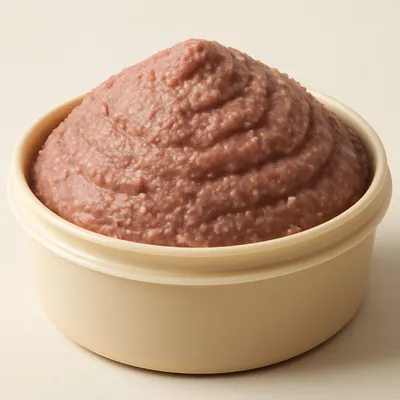
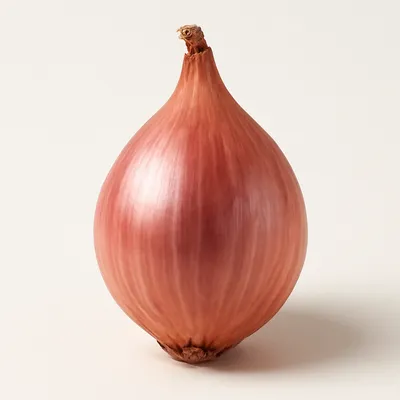
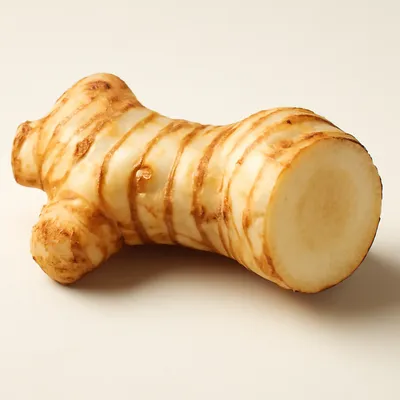
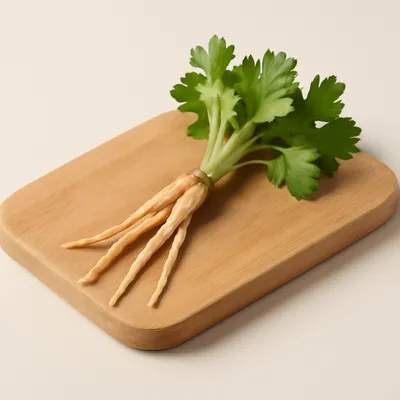
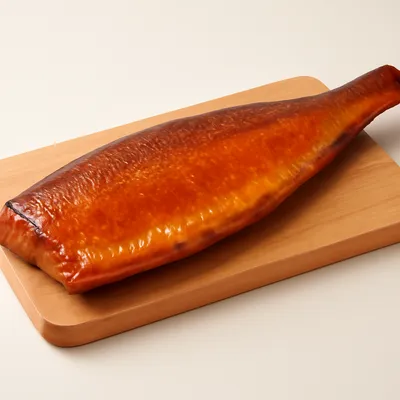
Make luk kapi (shrimp paste balls): pound 3 tbsp Thai shrimp paste with 2 shallots, 1 lemongrass, 2 galangal slices, 4 dried chiles, 1 tsp coriander root. Mix with 200g flaked smoked fish. Roll into marble-size balls, dip in egg, deep-fry at 170°C until crisp.
Watch outFry the shrimp-paste balls till the crust is set crisp and dry — a soft ball will fall apart in the water, and the crunch is the whole point against the neutral rice.
- 425 min
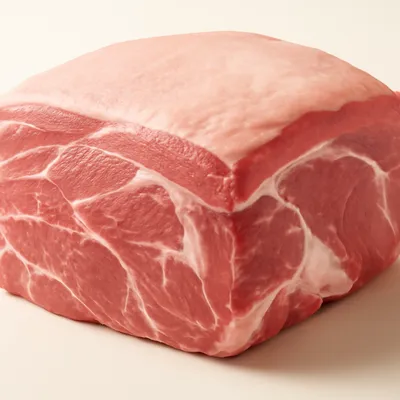
Make moo wan (sweet pork): simmer 200g pork shoulder strips with 80g palm sugar, 30ml fish sauce, 50ml water, until reduced and lacquered, ~25 minutes. Cool until sticky.
Watch outSimmer the sweet pork down until the syrup lacquers each strip glossy and it turns sticky as it cools — stop while still watery and it won't hold that sweet-salty gloss.
- 540 min
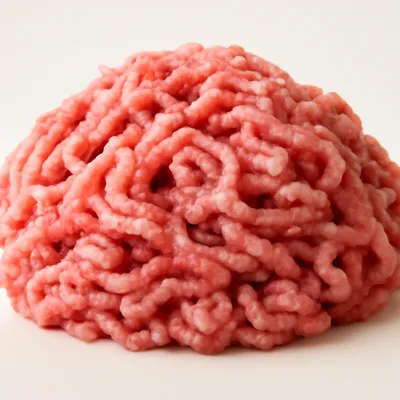
Make stuffed peppers: hollow 8 small banana peppers (prik yuak). Stuff with mince of pork, dried shrimp, palm sugar. Wrap in egg-net (foi-thong style lattice from beaten egg drizzled in hot oil). Fry briefly.
Watch outEnsure the oil is hot enough to create a crispy egg-net without burning.
- 625 min
Service: pile 200g cold rice into each crystal bowl. Pour iced jasmine water to cover. Arrange luk kapi, moo wan, stuffed pepper, salted egg slices, shredded sweet daikon, julienned green mango, fresh cucumber on a side plate. Eat alternating: a spoon of rice-and-water, a bite of side, then back.
Archive tool suggestions — not reviewed
These legacy suggestions have not been evidence-reviewed and are not presented as required tools.