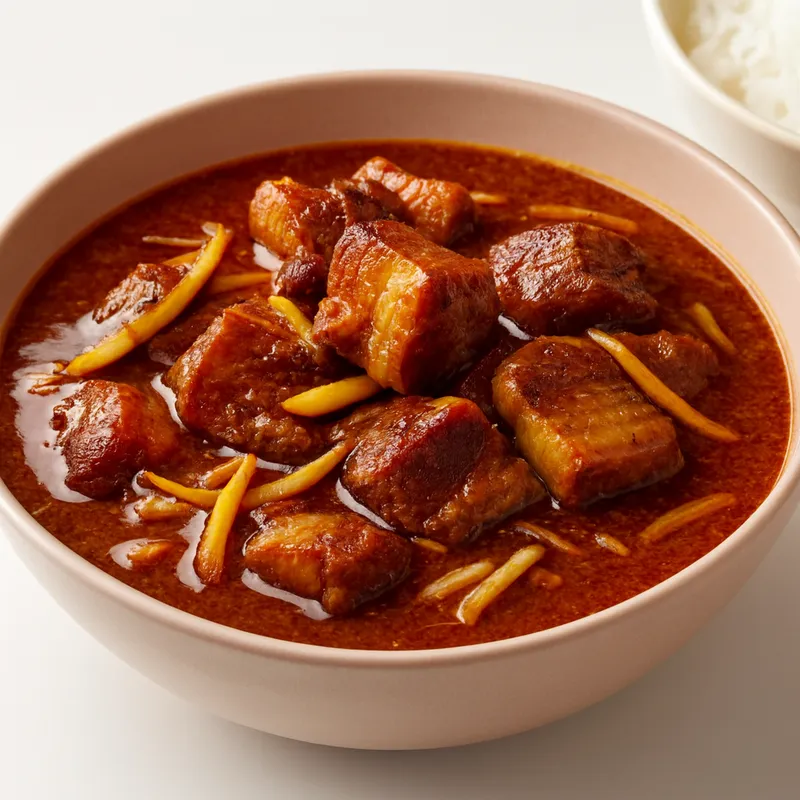
An ancient Siamese vegetable soup — white peppercorn, shallot, dried shrimp and shrimp paste pounded into a base, ladled over bottle gourd, sponge gourd, baby corn and lemon basil with shrimp.

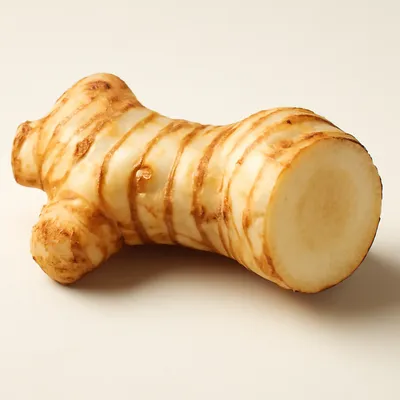
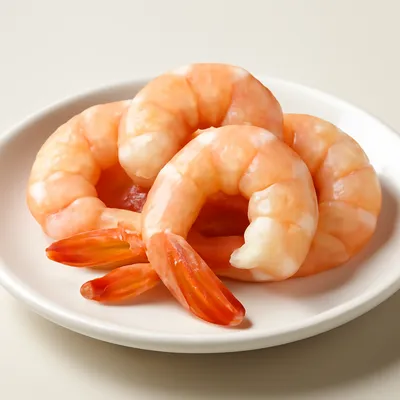

Kaeng liang appears in the earliest extant Thai cookbooks — the 1908 Tamra Kap Khao references it, but the dish itself is pre-modern, preceding the chile-paste curries by centuries. It is one of the few Thai curries whose heat comes only from peppercorn (the original Old-World heat source), placing it firmly before chile's arrival. Traditionally fed to women in the postpartum month — galangal and white pepper are warming in Thai-Chinese folk medicine, and the broth is meant to stimulate milk production.
Cited in the 1908 Tamra Kap Khao but the dish is older — its heat comes from white peppercorn alone, placing it before chili reached Siam. Pound the peppercorns dry first; if shallot or shrimp paste enters the mortar before the corn breaks, you'll grind grit, not powder.
A pale, almost broth-like soup — no oil slick on top, no red colour at all. The smell is white pepper before anything else. First sip is mild-savoury; the warmth from peppercorn builds slowly across two or three sips, ending in a back-of-the-throat heat that's nothing like chile. The vegetables are sweet, the shrimp barely cooked, the lemon-basil aroma rises the moment you spoon. A bowl tastes like medicine in the best sense — it's the dish Thai mothers cook for postpartum daughters and for anyone with a cold.
Pound the white peppercorns dry first, before any wet ingredient enters the mortar. If you add shallot or shrimp paste before the peppercorn breaks, the peppercorn becomes coated in moisture and you'll never grind it fine — it'll be gritty in the broth. Lemon basil (bai maenglak) goes in off heat, period — it is the one herb the soup can't do without, and simmering it turns the leaves black and bitters the broth.
Variations
Postpartum kitchen versions across Central Thailand load up gourd and pumpkin for galactagogue effect; Royal-court versions add baby corn and pea aubergine; the Pak Tai variant pushes peppercorn harder and adds krachai (fingerroot); Bangkok home cooks use shrimp, while temple kitchens often go vegetable-only.
On the Palate
Where Kaeng Liang sits in the Thai flavor cloud
Ingredients
Serves 4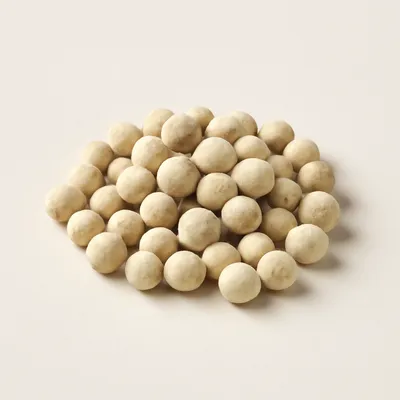

How it's made
6 steps · 20 min active + 10 min waiting
- 112 min
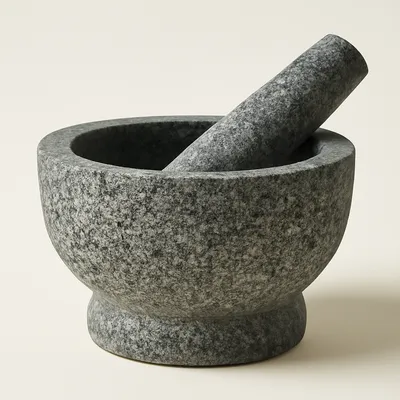
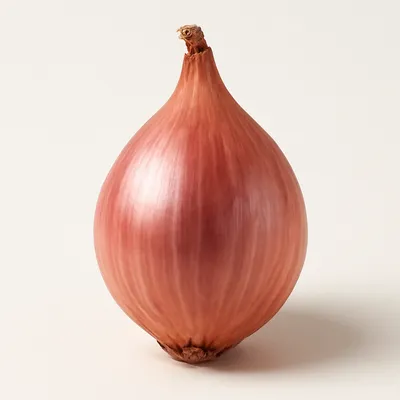
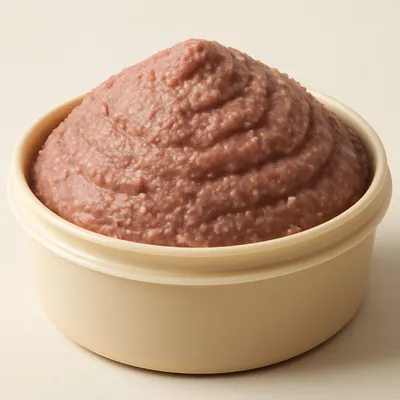
In a granite mortar, pound 1.5 tbsp white peppercorns to a coarse powder first — they need to break before anything wet goes in. Add 6 shallots, 30g dried shrimp soaked 5 min, 1 tsp shrimp paste, 2 thumbs galangal sliced. Pound to a rough paste — 6 minutes.
Watch outPound the white peppercorns to powder dry, before anything wet goes in — add shallot first and the moisture coats the pepper so it never grinds fine and stays gritty in the soup.
- 24 min
Bring 1.4L water to a gentle simmer. Whisk in the paste; cook 4 minutes — broth turns pale beige and the room fills with white-pepper smell.
Watch outCook the paste in the water until the broth pales to beige and the kitchen fills with white-pepper aroma — that smell means the paste is properly cooked out.
- 34 min
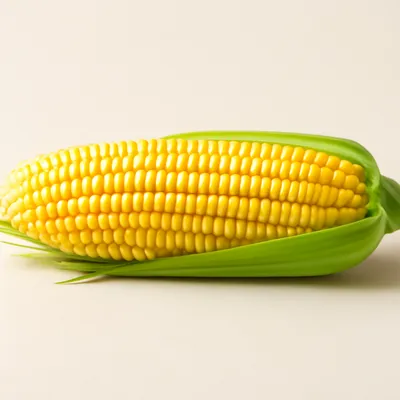
Add 200g bottle gourd (peeled, 2cm chunks) and 100g baby corn halved lengthwise. Simmer 4 minutes.
- 43 min
Add 200g sponge gourd (luffa, peeled and cut on the bias) — it cooks fast. 2 minutes only. Then 250g shrimp, peeled and deveined.
Watch outAdd shrimp at the end to prevent overcooking, which can make them rubbery.
- 51 min
Season with 2 tbsp nam pla (fish sauce). No sugar, no chile — kaeng liang's heat is exclusively peppercorn. Taste: should be bone-broth savoury with white-pepper warmth, vegetables sweet underneath.
- 61 min
Off heat. Stir in a generous handful of horapha (Thai sweet basil) — let the residual heat wilt them. Serve in a deep bowl.
Watch outStir the lemon basil in off the heat and serve — let it boil and the leaves blacken and turn the whole broth bitter.
Archive tool suggestions — not reviewed
These legacy suggestions have not been evidence-reviewed and are not presented as required tools.