
Rakhine-state spicier seafood mohinga — thick, richly spiced broth heavy on shrimp paste, red chili, and lemongrass, served over thin rice noodles with crisp gourd fritters.
Rakhine mohinga is the Bay of Bengal coast's distinct take on Myanmar's national dish — distinguished from Bamar mohinga by being thicker and richer (heavier on fish/shrimp paste, less soup), much spicier (liberal chili powder and chili paste, plus heavy black/white pepper), heavier on shrimp paste (ngapi) over fish paste, and using seafood-based broth instead of fish-only. The dish reflects 1,400 years of Rakhine-Bengali trade — bringing Indian/Bangladeshi chili intensity to Burmese seafood. Sold at every Sittwe market and increasingly imported into Yangon's Rakhine-immigrant neighborhoods.
Slurp a spoonful of Rakhine mohinga: the broth is thick and fiercely chili-hot, shrimp-paste-deep, with lemongrass perfume. Pieces of fish and shrimp float; the rice vermicelli has caught the broth. Bite a gourd fritter on the side — its bitter sweetness cuts through the heat. This is mohinga with Bay of Bengal teeth.
Clear broth (no chickpea-flour body) puts the Rakhine flavor profile front-and-center: every chili, pepper, galangal, and tamarind note is unobstructed. Frying the spice paste until 'oil separation' (about 5 min) extracts maximum aromatic compounds; without this step, the broth tastes raw. Bitter gourd's cucurbitacin compounds counter the heat in a way sweet vegetables can't.
Variations
Sittwe coastal version uses fresh river fish (catfish); Kyaukphyu version uses dried fish for stronger smoke; Yangon-diaspora restaurants often skip the gourd fritters; family Sunday version adds duck eggs.
On the Palate
Where Rakhine Mohinga sits in the Burmese flavor cloud
Ingredients
Serves 6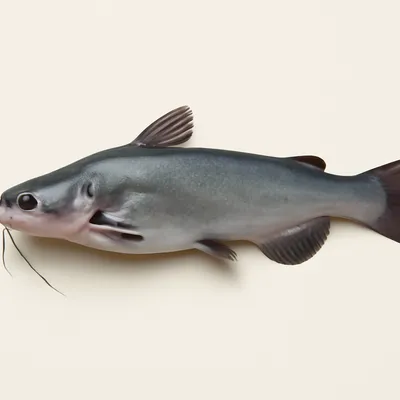











How it's made
5 steps · 40 min active + 1 hour 20 min waiting
- 145 min
Make broth: in a heavy pot, simmer 500g whole fish (catfish or snakehead) + 200g shrimp shells + 1 stalk lemongrass (bruised) + 1 thumb sliced ginger + 1L water + 1 tsp salt for 40 min. Strain; reserve broth and pick fish meat off bones.
Watch outKeep the broth at a gentle simmer for 40 min so it stays clean-tasting, not cloudy-boiled.
- 212 min
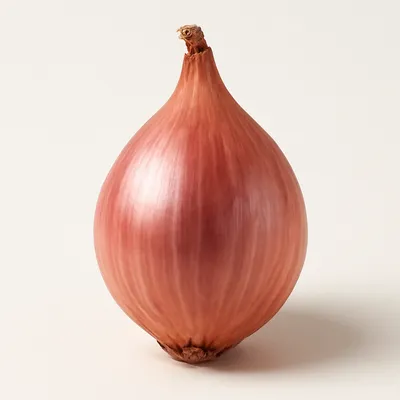
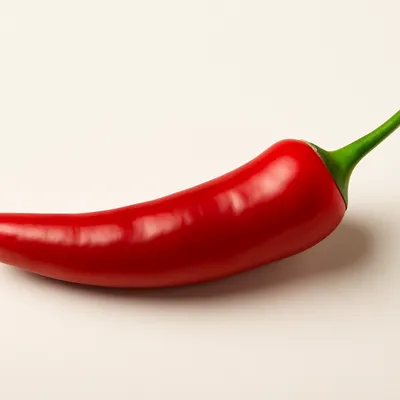
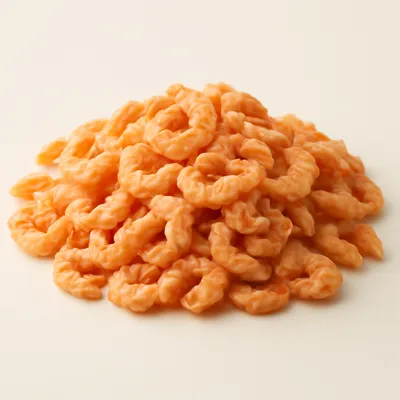
Make spice paste: in a mortar, pound 4 shallots, 6 garlic cloves, 4 red chilies (Thai bird's-eye, with seeds), 1 thumb fresh turmeric, 1 stalk lemongrass (white part only), 1 tsp coriander seeds, 1 tsp ground roasted dried shrimp to a rough paste.
- 38 min
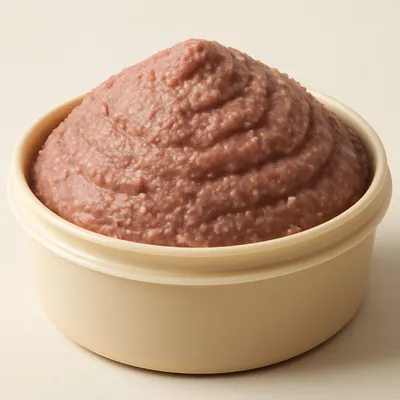
In a wide pan, heat 4 tbsp oil. Fry the spice paste 5 min until oil separates and paste darkens. Add 2 tbsp Rakhine-style fermented shrimp paste (ngapi seinsa); stir 2 min.
Watch outOil separating out around the paste is the signal it's fried enough — that's your cue to add the shrimp paste.
- 413 min
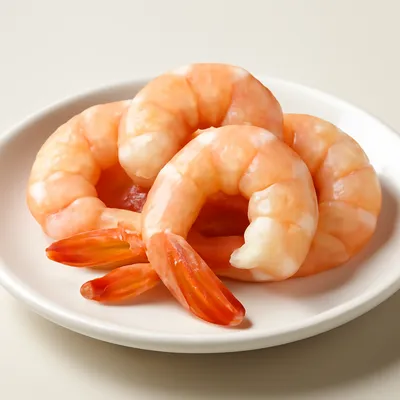
Add strained broth + flaked fish meat + 200g peeled shrimp + 1 tbsp fish sauce + 1 sliced ripe tomato. Simmer 8 min until shrimp pink and tomato breaks down. Adjust salt; should taste fiery-shrimpy with lemongrass-cumin perfume.
Watch outTaste and adjust here: it should read fiery and shrimp-sweet with a lemongrass-cumin perfume before you build the bowls.
- 542 min
Cook 400g thin rice vermicelli per package; drain. Make gourd fritters: dip 8 slices of bitter gourd in chickpea-flour batter (100g flour + 150ml water + 1 tsp salt + 1 tsp turmeric), deep-fry until golden. Assemble: noodles in bowl, ladle broth and shrimp over, top with fritters, chopped cilantro, sliced fresh chili, lime wedge.


