Southern Thai rice salad of butterfly-pea-blue rice tossed with toasted coconut, dried shrimp, lemongrass, kaffir lime leaf, ginger, long bean, pomelo, and a budu (fermented anchovy) dressing.
Khao yam is the rice-salad signature of the Thai-Malay south — Pattani, Yala, Narathiwat, Songkhla — where Muslim coastal villages produce budu, the regional fermented-anchovy sauce that defines the dish. The blue colour comes from anchan (butterfly pea) flowers used as a natural dye throughout Southeast Asia. Khao yam is breakfast food: a way to use leftover rice with whatever vegetables, herbs, and shredded fruit are in the kitchen, dressed with budu kept in the corner of every Southern household.
Southern Thai-Malay rice salad from Pattani, Yala, Narathiwat. The blue rice comes from anchan flowers; budu (fermented anchovy sauce) is the load-bearing identifier — fish sauce won't substitute.
Looks like a colour wheel before the toss — pale blue rice, green bean, pink pomelo, gold coconut, orange shrimp, white sprout. After mixing, the dish becomes a single mouthful that hits ten things at once: rice cool, shrimp briny, coconut sweet-toasted, pomelo bursting acidic, ginger flaring, lemongrass perfumed, chile slow. Budu is the unmistakable thread — funky, deep, like aged fish sauce on a darker register. Without budu it's not khao yam, it's just rice salad.
Budu is non-negotiable — substituting fish sauce gives saltiness without the molasses-deep ferment notes that make khao yam recognizable. The dressing must be cooked with palm sugar and aromatics first; raw budu spooned over the rice is too pungent and one-note. The herbs (lemongrass, kaffir leaf, ginger) are sliced paper-thin so they read as fresh aromatic punctuation, not crunchy filler — anything thicker than 1mm becomes inedible raw.
Variations
Pattani style is heavy on budu and pomelo; Songkhla swaps in green mango for the sour; Trang versions add salted egg; the Malay neighbor nasi kerabu is the closer cousin across the border.
On the Palate
Where Khao Yam sits in the Thai flavor cloud
Ingredients
Serves 4







How it's made
6 steps · 40 min active + 20 min waiting
- 125 min
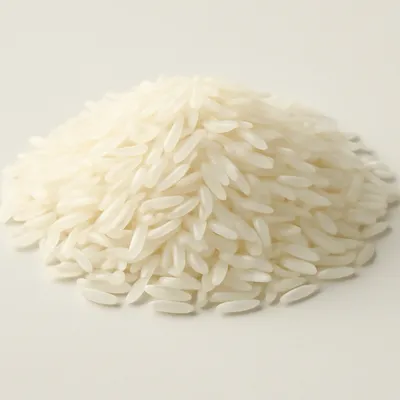
Steep 30 dried butterfly-pea flowers in 500ml hot water 15 minutes. Strain — liquid is deep indigo. Cook 300g jasmine rice in this water (1:1.2 ratio). Cool to room temperature; rice turns soft blue.
Watch outEnsure the water is hot enough to extract the color from the butterfly-pea flowers.
- 212 min
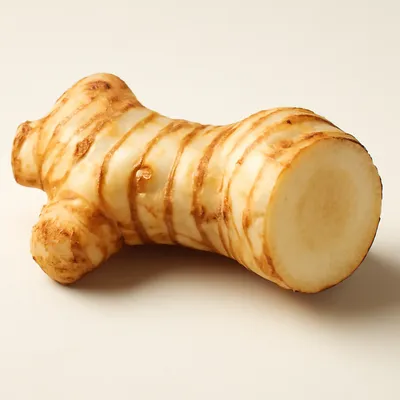
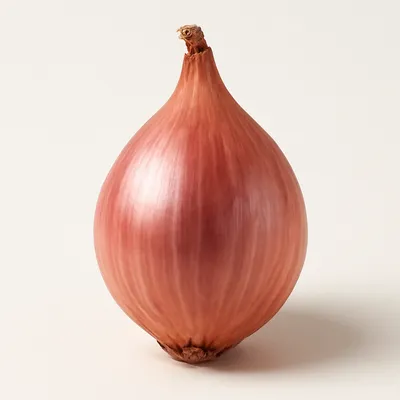
Make budu dressing: simmer 100ml budu (Southern Thai fermented anchovy sauce) with 80g palm sugar, 4 kaffir lime leaves bruised, 1 lemongrass stalk smashed, 2 thin galangal slices, 1 small shallot for 10 minutes. Strain. Should be dark, salty, faintly fishy-sweet — not raw-stinky.
Watch outCook the rice in the strained butterfly-pea water and let it cool — you want it soft blue and at room temp, not hot, so it doesn't wilt the fresh herbs later.
- 36 min
Toast 60g grated fresh coconut in a dry pan over medium until deep gold and fragrant — 6 minutes. Toast 30g dried shrimp the same way until orange-crisp.
Watch outSimmer the budu with palm sugar and aromatics until it reads dark and salty-sweet, not raw-pungent — raw budu spooned over is too sharp and one-note.
- 412 min
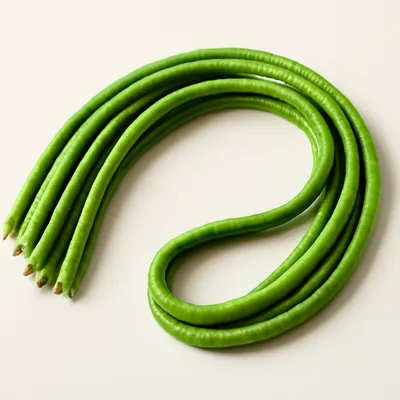
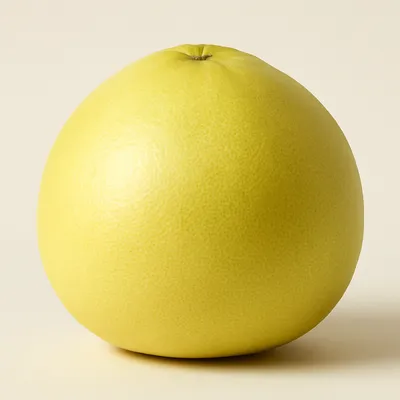
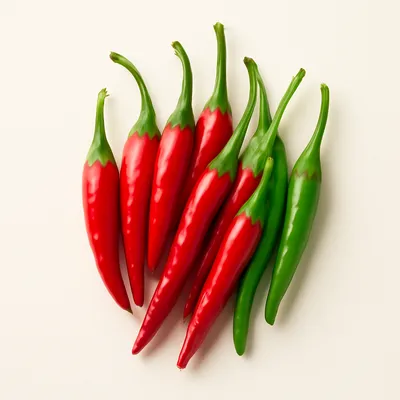
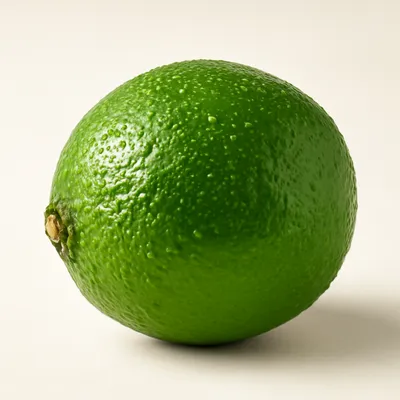
Prepare a tray of garnishes in separate piles: 100g long bean cut into 5mm coins, 100g pomelo segments torn small, 1 cucumber diced, 100g bean sprouts, 4 lemongrass stalks (tender core only) sliced paper-thin, 4 kaffir lime leaves rolled and chiffonaded, 30g young ginger fine-julienned, 4-6 fresh bird's eye chiles sliced, juice of 2 limes.
Watch outToast the grated coconut over medium until deep gold and fragrant — pull it pale and the dish loses its nutty backbone; let it scorch and it turns bitter.
- 54 min
Mound blue rice in the centre of each plate. Arrange every garnish in a rim around the rice — kept separate so the diner sees the colours. Top with toasted coconut and dried shrimp.
- 61 min
Pour 3 tablespoons cooled budu dressing over each plate at the table. Squeeze lime, toss everything together at the seat.
Archive tool suggestions — not reviewed
These legacy suggestions have not been evidence-reviewed and are not presented as required tools.