
Clear sour-and-spicy broth with mixed seafood — shrimp, squid, mussels, fish — galangal, lemongrass, kaffir lime, holy basil, no coconut milk. The 'broken fish-trap' communal-style tom yum.
'Po taek' literally means 'broken fish trap' — the name evokes a fisherman's trap broken open with all its mixed catch tumbled into one pot. The clear-broth version is the older form (tom yum nam sai); the milky tom yum nam khon with evaporated milk or coconut is a 20th-century elaboration. Po taek is central Thai, especially associated with Chao Phraya river-mouth communities and Bangkok seafood houses. The communal hot-pot service over a charcoal burner is standard.
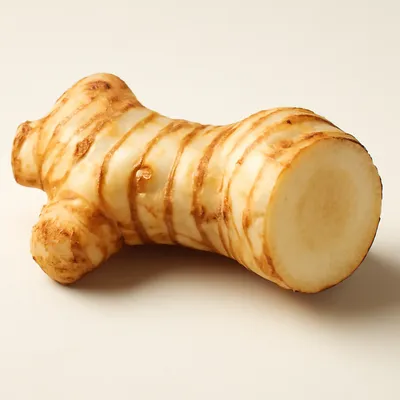
Po taek means 「broken fish trap」 — fisherman's mixed catch tumbled into one pot. The clear-broth nam sai is the older form; milky nam khon with evaporated milk is a 20th-century elaboration. Galangal not ginger, lemongrass bruised not chopped, lime juice off-heat. Boiling lime turns it bitter.
A clear amber broth — not the milky-orange tourist tom yum — with bruised lemongrass and galangal floating openly, bobbing around prawn heads and open mussel shells. First sip is shockingly sour and salty, then chile burn in the throat 4 seconds later. Galangal (not ginger) and kaffir lime are the load-bearing aromatics; substitute and it stops being tom yum. The seafood is barely cooked — the shrimp should snap, the squid still tender. If it's cloudy or coconut-smelling, that's tom yum nam khon, a different dish.
Three rules: galangal not ginger (different aromatic family — galangal is woody-pine-citrus, ginger is sharp), lemongrass bruised not chopped (you want infusion not chunks in your spoon), and seasoning off-heat (boiling lime juice turns it bitter). Cook the seafood in stages by toughness — mussels and fish first, shrimp and squid last 2 minutes — or the squid is rubber by the time the mussels open.
Variations
Tom yum nam sai is the clear original; tom yum nam khon adds evaporated milk for the orange-milky tourist version; tom yum goong is the prawn-only take; Som Tam Nua and Pe Aor in Bangkok are famous for nam khon, while river-fish-house Krua Apsorn plates the clear po taek; Phuket and Trang go heavier on bird's-eye chili.
On the Palate
Where Tom Yum Po Taek sits in the Thai flavor cloud
Ingredients
Serves 4








How it's made
6 steps · 25 min active + 10 min waiting
- 16 min
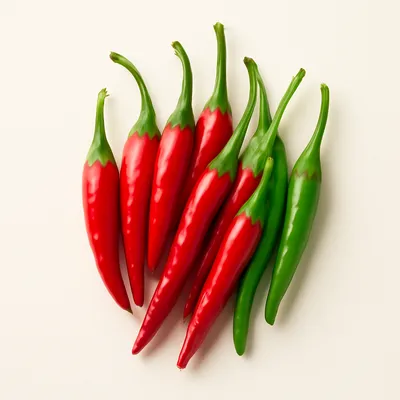
Bruise 4 stalks lemongrass with the back of a knife and cut into 5cm lengths. Slice 6 thick rounds galangal. Tear 8 kaffir lime leaves. Pound 6 bird's-eye chiles roughly with the side of a knife.
- 25 min
Bring 1.5L good shrimp or fish stock to a boil. Add lemongrass, galangal, kaffir lime, half the chiles. Boil hard 5 minutes — broth should turn yellowish and aromatic.
Watch outBoil the aromatics hard until the broth turns yellowish and smells fragrant — that's the base built before any seafood goes in.
- 33 min
Add 12 cleaned mussels and 200g sliced firm white fish. Boil 2 minutes until mussels open.
Watch outDo not overcook the mussels; they should open within 2 minutes.
- 43 min
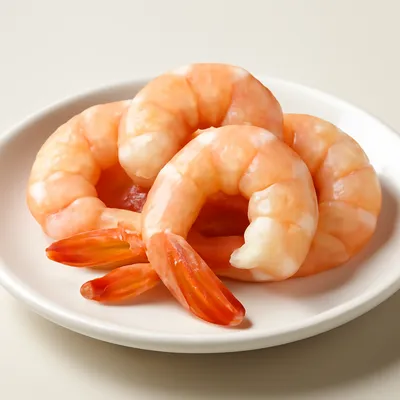
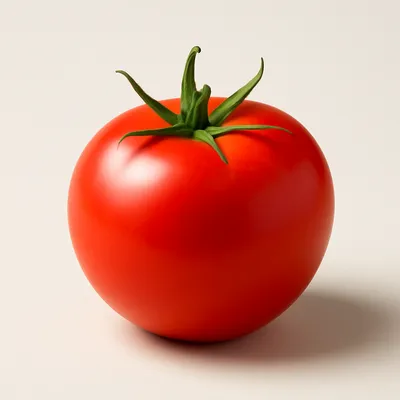
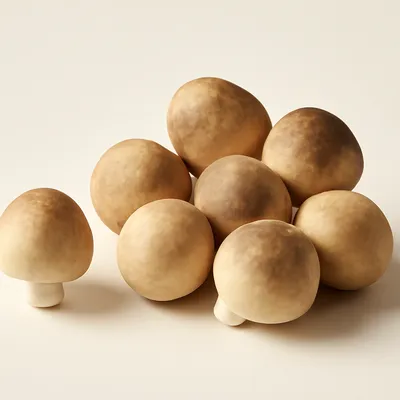
Add 12 head-on shrimp, 200g squid rings, 100g halved cherry tomatoes, 100g straw mushrooms (quartered). Boil 2 minutes — shrimp turn coral, squid just curl.
Watch outAdd shrimp and squid only for the last 2 minutes — shrimp turn coral and the squid just curls; any longer and the squid goes rubbery.
- 52 min
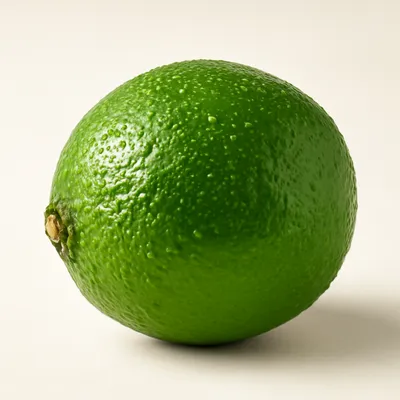
Off heat. Stir in 4 tbsp fish sauce, 4 tbsp lime juice (fresh, never bottled), 1 tbsp palm sugar, the remaining pounded chiles. Taste — should be sour-first, then salty, then chile heat in the throat.
Watch outStir in the lime juice off the heat — boiling it turns the broth bitter; taste for sour first, then salt, then chile in the throat.
- 62 min
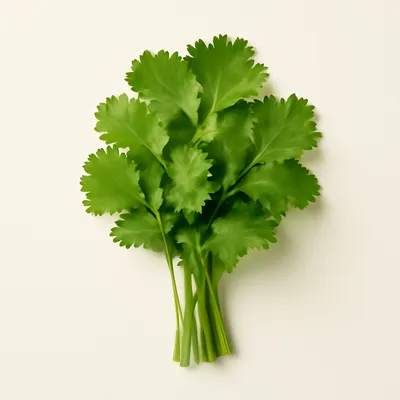
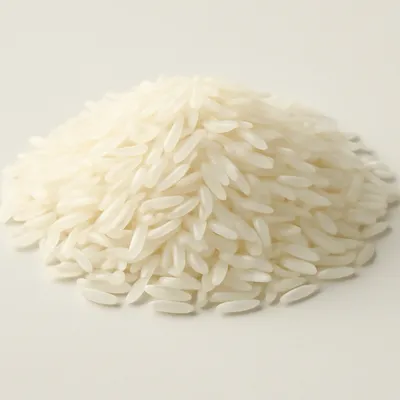
Pour into a large communal bowl or Thai charcoal hot pot. Top with a fistful of torn coriander and 2 sliced spring onions. Eat with jasmine rice on the side; ladle broth and seafood over rice.
Archive tool suggestions — not reviewed
These legacy suggestions have not been evidence-reviewed and are not presented as required tools.
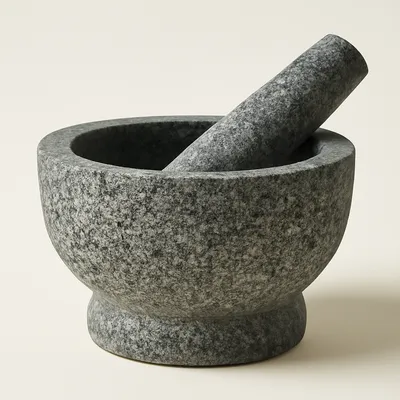
The simplest tool in any kitchen: a heavy bowl and a club to bash things in it. Different cuisines use different stones — Thai cooks pound green papaya in a tall granite mortar (krok hin); pesto Genovese requires the soft-pored Carrara marble; Indian masalas grind down on rough basalt. The bash-don't-cut motion releases volatile oils that a blade keeps sealed in the cell wall.
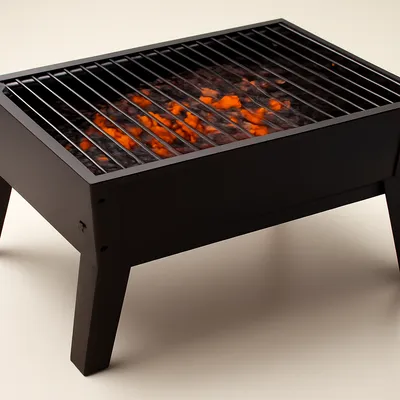
An open or hooded metal frame holding a bed of glowing charcoal embers, with a grate above. Charcoal burns at 700°C+ on the surface and emits short-wave infrared, which cooks proteins faster and with deeper Maillard browning than gas. Hardwood lump charcoal (oak, mesquite, fruitwood) lends its own smoke; cheap briquettes do not. Mastery is mostly heat zoning — direct over coals for searing, indirect off-coals for slow-roasting.


