
A warm, soupy dessert of skinned split mung beans steamed whole, then suspended in a clear, lightly sweet tapioca-thickened syrup, finished with a ladle of salty coconut cream and a handful of crisp fried dough crullers broken over the top. The beans stay intact and tender in a glossy translucent broth; the cruller adds crunch and the coconut a salt-edged richness. It is a comforting Chinese-Thai sweet, eaten warm, often for breakfast or as an afternoon snack.


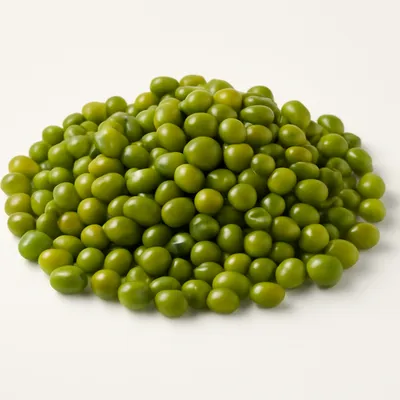
Tao suan is a Chinese-Thai sweet, descended from the Teochew and Hokkien mung-bean sweet soups brought by southern Chinese immigrants and adapted to Thai taste with the addition of salted coconut cream and a fried-dough cruller. The split-mung-bean-in-thickened-syrup form is shared with related sweets across the southern Chinese diaspora, while the coconut finish and the pairing with the Thai cruller (the local descendant of Chinese fried dough) mark the Thai version. It is a familiar warm dessert and breakfast sweet in Bangkok and the central towns, especially in areas of strong Chinese-Thai settlement.
Served warm, never cold. The beans are the texture you notice first — whole, soft, but still holding their shape, with a gentle starchy bite, suspended in a syrup that is clear, glossy, and only lightly sweet, slipping smooth from the tapioca thickening. Over the top, the coconut cream is distinctly salty against the mild sweet broth, and the cruller pieces are crisp at first then soak up syrup and turn chewy. It is gentle and soothing rather than rich — the salt-sweet-crunch interplay is what keeps it interesting spoon to spoon.
Keeping the beans whole is the first craft: skinned split mung beans are steamed, not boiled, so each holds its shape instead of dissolving into porridge — boiled too hard they break down and cloud the syrup. The clarity and body of the syrup is the second: water is sweetened and lightly thickened with tapioca or mung-bean starch slurry added off the boil and cooked just until it turns glossy and clear, never gluey; over-thicken it and it turns to paste, under-thicken and the beans sink. The coconut cream is salted firmly and spooned on at the end so it streaks the broth, and the cruller is added only at serving so it stays crisp for the first few bites before softening.
Variations
The split-mung-bean-and-cruller version is the classic. Some make it without the cruller, or use taro or a softer set; sweetness and thickness vary by cook and region. It is closely related to other warm Chinese-Thai bean sweet soups; the defining marks here are the whole skinned mung beans, the clear thickened syrup, the salted coconut, and the fried-dough topping. A few modern shops serve it cooler or with extra toppings, but warm with crisp cruller is the standard.
On the Palate
Where Tao Suan sits in the Thai flavor cloud
Ingredients
Serves 4How it's made
8 steps · 40 min
- 1120 min
Soak skinned split mung beans until swollen, then drain.
- 220 min
Steam the soaked beans over high heat until just tender but still whole; do not let them collapse.
Watch outSteam the mung beans just to tender while each stays whole — the instant they start collapsing they cloud the syrup into porridge, so pull them while they still hold their shape.
- 35 min
Sweeten water with palm sugar and a pinch of salt and bring to a simmer.
- 44 min
Stir in a tapioca-starch slurry off the boil and cook until the syrup turns clear and lightly thickened.
Watch outAdd the tapioca slurry off the boil and cook only until the syrup turns clear and lightly thickened — glossy, not gluey; over-thicken and it turns to paste.
- 53 min
Gently fold the steamed mung beans into the warm syrup, keeping them intact.
- 64 min
Separately warm coconut cream with a firm pinch of salt until just simmering.
- 72 min
Ladle the warm bean syrup into bowls and spoon the salty coconut cream over the top.
- 82 min
Break crisp fried-dough crullers over each bowl and serve at once, warm.
Archive tool suggestions — not reviewed
These legacy suggestions have not been evidence-reviewed and are not presented as required tools.


