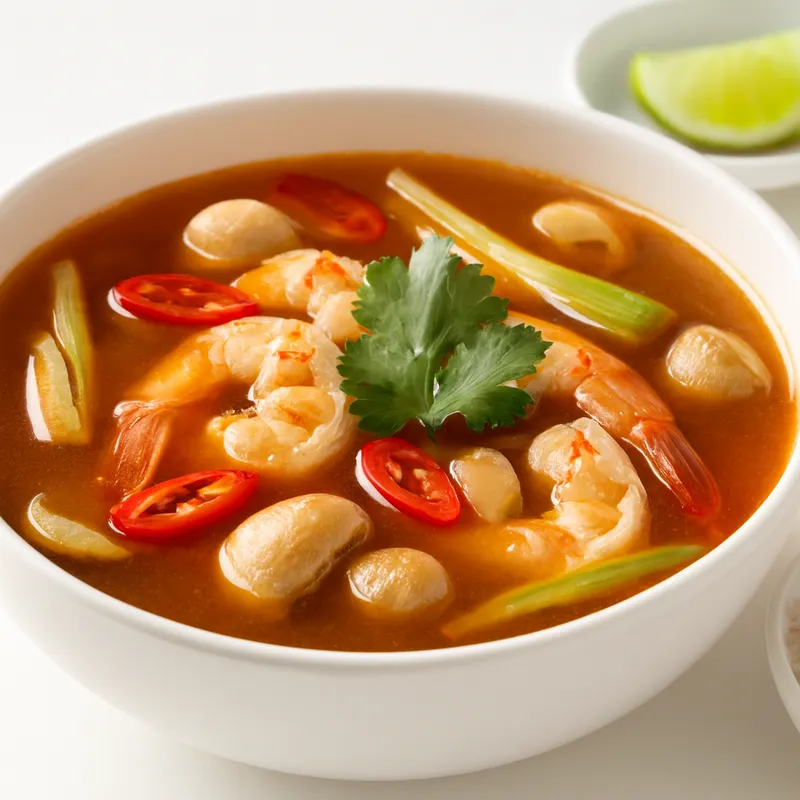
A Malay-Muslim deep-south breakfast plate: short-grain and glutinous rice steamed in coconut milk with fenugreek seed, sliced shallot and ginger, served with a mild tuna curry (gulai ikan tongkol) and a sharp cucumber-and-shallot pickle. The rice is faintly purplish, sticky-rich, and perfumed; the curry is gentle and aromatic rather than fiery, built to let the fish read clean. In Thailand it belongs to the Yawi-speaking provinces of Pattani, Narathiwat and Yala, the same culinary world as Malaysian Terengganu and Kelantan across the border. It is sold by the banana-leaf parcel from dawn stalls and eaten with the right hand.





Nasi dagang means "traders' rice" in Malay, a portable, slow-spoiling breakfast tied to the fishing and trading communities of Malaysia's east coast (Terengganu and Kelantan); it was inscribed on Malaysia's national heritage food list in 2009. The same dish lives on the Thai side of the peninsula in the deep-south provinces of Pattani, Narathiwat and Yala, whose Malay-Muslim population shares language, faith and table with Kelantan. The pairing with a tuna (ikan tongkol) curry and the coconut-and-fenugreek rice are common to both sides; the Kelantan and deep-south style favors a faintly purple half-glutinous rice over the plainer Terengganu version. It is a regional Malay tradition, not a dish invented in central Thailand.
The rice arrives slightly sticky and clumped, glistening with coconut fat, sweet-savory and warm with fenugreek's faint maple-bitter note; the better versions show pale violet grains. Against it the tuna curry is restrained — thin, golden-brown, gently spiced, the fish flaking into soft savory chunks rather than swimming in chili heat. The cucumber pickle cuts through with a clean sour snap. Eaten together the mouthful is rich, fragrant and rounded, the kind of breakfast meant to carry a fisherman through a long morning.
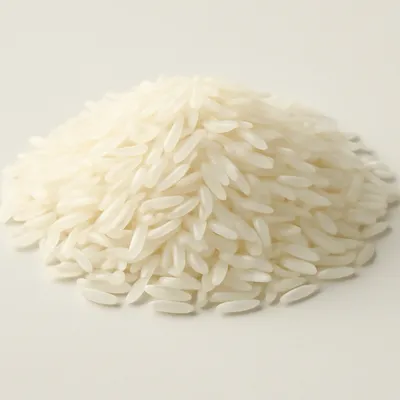
The rice is half-steamed, dressed with thick coconut milk plus shallot, ginger and fenugreek, then finished by steam — this two-stage cook lets each grain drink coconut fat without collapsing into porridge, and the fenugreek's bitterness mellows into perfume only with heat. Mixing in a little glutinous rice gives the characteristic clump and sheen; the faint violet of the Kelantan grain is a natural pigment in that landrace rice, not a dye. The tuna curry is kept deliberately thin and low-heat so the coconut and fish stay forward; bruised lemongrass and turmeric carry the aroma, and the sourness lives in the side pickle rather than the gravy, keeping the fish clean rather than masked.
Variations
Terengganu uses plain white rice; Kelantan and the Thai deep south favor the half-glutinous violet "beras nasi dagang." The curry is most often tuna (ikan tongkol) but mackerel and other firm sea fish appear; some cooks add ground roasted coconut for a darker, thicker gravy. Garnishes range from pickled cucumber and carrot to fried grated coconut (serunding) and hard-boiled egg.
On the Palate
Where Nasi Dagang Pattani sits in the Thai flavor cloud
Ingredients
Serves 4

How it's made
7 steps · 1 hour 15 min active + 7 hours 45 min waiting
- 1240 min
Soak the rice mix (short-grain plus a portion of glutinous) for several hours, then drain.
- 225 min
Steam the rice until about three-quarters cooked.
Watch outSteam only to about three-quarters done — the grain still has a firm core, because it drinks coconut and finishes in the second steam.
- 330 min
Toss the hot rice with thick coconut milk, sliced shallot, julienned ginger and fenugreek seed; return to the steamer until tender and glossy.
Watch outToss the coconut through while the rice is still hot so each grain absorbs the fat and comes out glossy, not gluey.
- 415 min
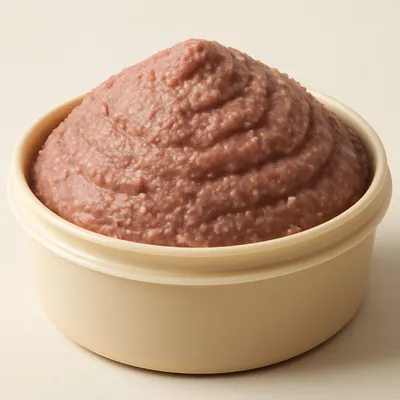
For the curry, simmer turmeric, bruised lemongrass, shallot and a little shrimp paste in coconut milk.
- 515 min
Add chunks of tuna and cook gently until just flaked through; balance with fish sauce and a touch of palm sugar.
- 610 min
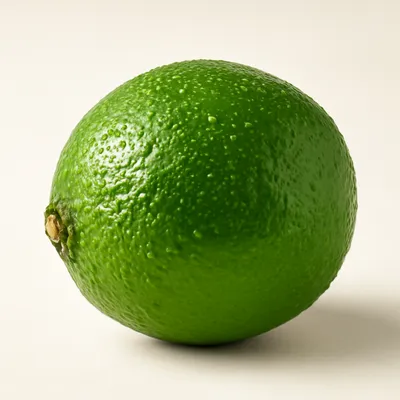
Make a quick pickle of cucumber, shallot and a little vinegar or lime.
- 75 min
Serve the coconut rice with the tuna curry ladled alongside and the pickle on the side.
Archive tool suggestions — not reviewed
These legacy suggestions have not been evidence-reviewed and are not presented as required tools.