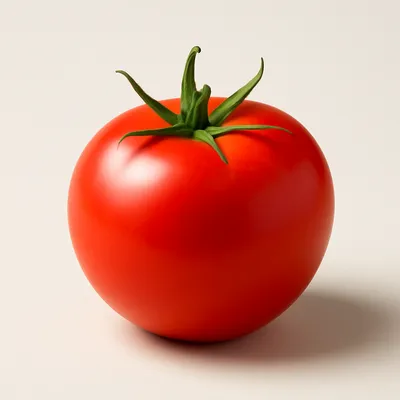
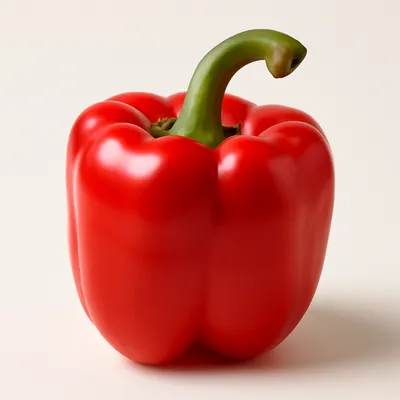
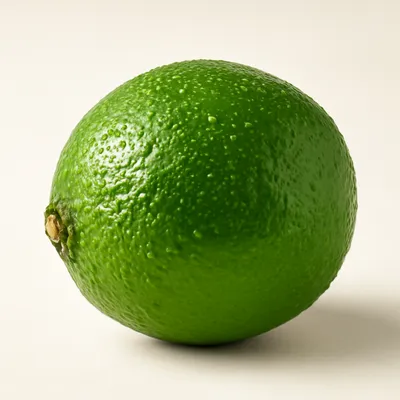
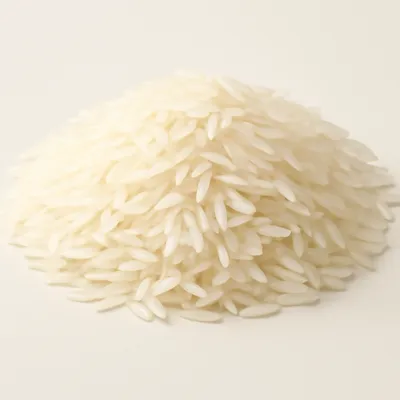
The signature dish of Alagoas: small lagoon mussels called sururu simmered in their own shells in a fragrant broth of coconut milk, tomato, onion, bell pepper, cilantro, and annatto oil. "De capote" means the mussels are kept in the shell rather than shucked, so diners pry each one open at the table. It is served from a wooden bowl (cuia) with white rice, sliced lime, and farofa, and is eaten across the lagoon city of Maceió.




Sururu (the lagoon mussel Mytella falcata, a small estuarine bivalve unrelated to the large blue mussel) has been harvested for generations from the Mundaú lagoon that fringes Maceió, where brackish water from rivers meeting the sea gives the mollusk its prized flavor. Gathering and shelling sururu by hand is the livelihood of thousands of lagoon families, and a Maceió neighborhood is named Sururu de Capote after the trade. In 2014 the State Council of Culture registered the sururu and its surrounding culture as intangible cultural heritage of Alagoas.
Each shell is a single salty, ocean-sweet mouthful no bigger than a fingernail, slurped straight from the warm broth. The liquid itself is the prize: thin but deeply savory, orange-tinted from annatto, rounded with coconut milk and sharpened with lime and fresh cilantro. You work through a small mountain of shells, and the empties pile up fast.
The mussels release their briny liquor as they steam open, so the broth seasons itself from the shellfish rather than from stock. Cooking is brief and timed: once the shells gape they are done, and prolonged heat turns the meat rubbery. Annatto (colorau) supplies the warm orange color without flavor of its own, while coconut milk is stirred in near the end and held below a hard boil so its fat does not split. Keeping the mussels in the shell protects the tender meat and concentrates the liquor.
Variations
The same sururu also goes into caldinho de sururu (a thinner cupped broth sold at beach kiosks) and into sururu refogado eaten over rice or with pirão. Some cooks shell the mussels first for a tidier dish, but "de capote" purists insist the shell makes it. Outside Alagoas the dish is rare, since fresh lagoon sururu does not travel.
On the Palate
Where Sururu de Capote sits in the Brazilian flavor cloud
Ingredients
Serves 4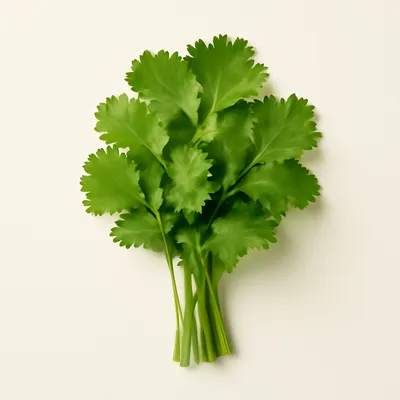


How it's made
5 steps · 35 min active + 25 min waiting
- 120 min
Rinse the sururu repeatedly in several changes of cold water, rubbing the shells, and discard any that are broken or stay open when tapped.
Watch outDiscard any mussel that's cracked or stays open when tapped — a mussel that won't close is dead and unsafe.
- 28 min
Make a refogado: warm annatto oil and sweat the chopped onion, garlic, and bell pepper until soft, then add the chopped tomato and cook to a loose sauce.
- 35 min
Add the sururu in their shells with a splash of water, cover, and steam over high heat just until the shells gape open.
Watch outPull them off the heat the instant the shells gape open — the mussels are done then, and more heat turns the meat rubbery.
- 44 min
Lower the heat and stir in the coconut milk, lime juice, and most of the cilantro; warm through without letting it boil hard, and season with salt and black pepper.
Watch outAdd the coconut milk at the end and keep it below a hard boil — boiling it hard splits the fat and breaks the sauce.
- 53 min
Spoon into a wooden cuia or bowl, scatter the remaining cilantro, and serve with white rice, farofa, and lime wedges.
Archive tool suggestions — not reviewed
These legacy suggestions have not been evidence-reviewed and are not presented as required tools.



