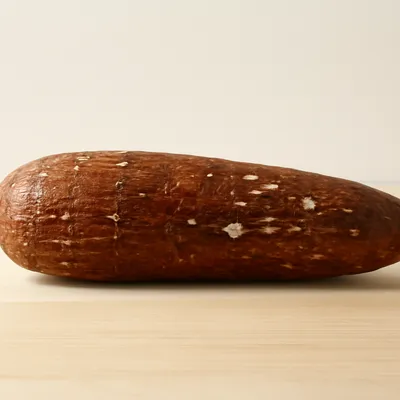
Sudado de pescado is a soupy Peruvian fish stew whose name means sweated fish: whole fish or thick fillets are laid over a bed of onion, tomato and ají, splashed with chicha de jora, then covered and left to cook in their own rising steam. Little extra liquid is added — the tomatoes and onions weep down into a fragrant, brothy sauce as the fish gently poaches above. It comes to the table in a shallow pot, the fish still on the bone, eaten with white rice and cassava to soak up the tomato-chili broth.






Sudado belongs to the criollo kitchens of the Peruvian coast, with the northern port town of Huanchaco often named as its heartland. Like much of the coastal repertoire it is a 16th-century fusion: the Spanish brought onions and the technique of sweating ingredients over gentle heat, which met the native chilies — ají amarillo and ají panca — and the pre-Hispanic fermented corn beer chicha de jora that gives the broth its faint sour-sweet lift. No single inventor is recorded; it is a fisherman's and home cook's dish, made wherever the catch came in fresh, and it endures as everyday coastal food rather than restaurant fare.
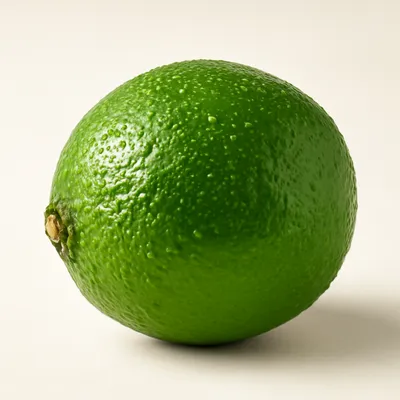
A light, brothy stew rather than a thick one: spoonfuls of fragrant tomato-onion sauce, tart and faintly sweet, with the warm fruitiness of ají amarillo and the deeper rust of ají panca. The fish is meltingly tender, falling off the bone, having steamed rather than boiled so it stays moist and clean-tasting. Onions cooked just shy of collapse keep a little bite. Cilantro and a squeeze of lime finish it bright, the broth begging for rice and cassava.
The whole point is in the lid. Set over a bed of watery vegetables and covered, the fish cooks in trapped steam rather than submerged in liquid — gentler than a boil, so the flesh sets soft and stays intact instead of breaking up or going dry. As they heat under the lid the tomatoes break down and the onions weep, and that released moisture becomes the broth, concentrated rather than diluted. The chicha de jora adds acidity and a whisper of fermented depth, while the ají pastes color the sauce and carry their fruity heat into the steam.
Variations
A sudado de mariscos swaps the fish for mixed shellfish; a richer version adds a splash of fish stock or white wine. Cooks may finish with a handful of huacatay or culantro for an herbal edge, and some thicken the sauce with grated rocoto for more heat. The same sweating method underlies sudados made with single thick fillets for a quicker weeknight version.
On the Palate
Where Sudado de Pescado sits in the Peruvian flavor cloud
Ingredients
Serves 4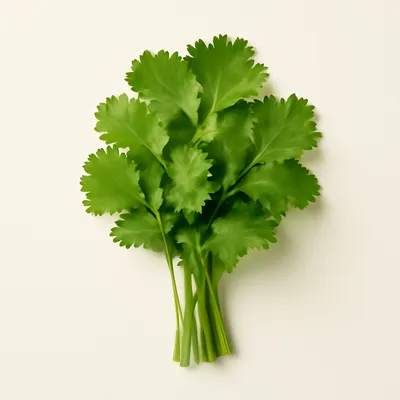
How it's made
7 steps · 20 min active + 20 min waiting
- 15 min
Season whole fish or thick fillets with salt, pepper and a little garlic.
- 28 min
Slice red onion thick and tomato into wedges; have ají amarillo and ají panca paste ready.
- 34 min
Spread the onion, tomato and ají pastes over the base of a wide pot.
- 42 min
Lay the fish on top and pour over the chicha de jora.
- 514 min
Cover tightly and cook over medium-low heat so the fish sweats in the steam, 12-15 minutes.
Watch outCover tightly and keep the heat medium-low so the fish sweats in the steam — the vegetables' released moisture becomes the broth, so don't add water or boil hard.
- 62 min
Baste once with the broth that gathers at the bottom; do not stir hard.
Watch outBaste once with the broth gathering at the bottom, but don't stir hard — rough stirring breaks the delicate fish apart.
- 73 min
Finish with chopped cilantro and a squeeze of lime; serve in the pot with rice and cassava.
Archive tool suggestions — not reviewed
These legacy suggestions have not been evidence-reviewed and are not presented as required tools.


