Peruvian stacked-potato terrine — bright yellow ají-amarillo-and-lime-mashed potato layered with chicken, tuna, crab, or avocado filling, refrigerated firm, then sliced like a terrine — a 19th-century Lima invention that's now a Peruvian icon.
Causa rellena ('stuffed causa') is a 19th-century Lima invention that became one of Peru's most-iconic restaurant dishes. The dish's name comes from 'a la causa' — literally 'for the cause' — referring to fundraising sales for Peruvian soldiers during the War of the Pacific (1879-1884), when Lima women sold the potato-and-filling stacks to raise money for troops. Causa's defining features: bright yellow color (from ají amarillo paste + sometimes saffron or turmeric); intensely acidic potato base (the lime juice is much more pronounced than in any other potato dish); and the terrine-like structure (layered fillings + chilled-firm assembly + cleanly-sliced presentation). Modern Lima restaurants offer dozens of causa variations — atún (tuna), pollo (chicken), cangrejo (crab), pulpo (octopus), palta (avocado) — but the basic technique is constant.
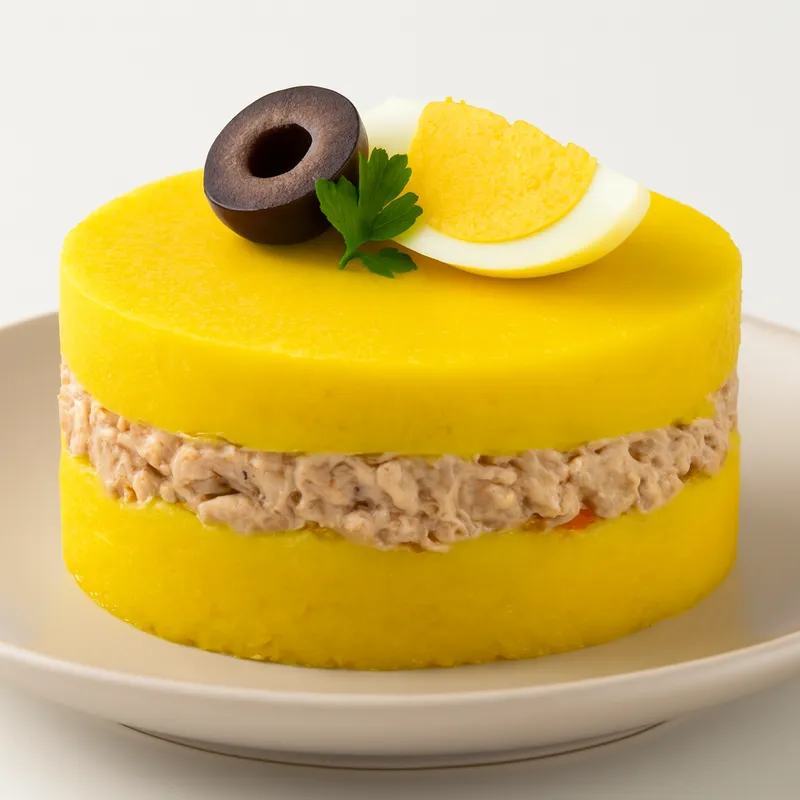
A slice of causa rellena shows its architecture: a 2cm bright-yellow potato top, a layer of pale avocado-and-filling, another yellow potato band, more filling, yellow potato bottom — like a Peruvian club sandwich made of potato. The first bite: the potato is shockingly lime-bright (this surprises people new to causa — yes, it's that acidic, intentionally), the avocado is creamy, the filling (chicken or tuna) is mayo-rich. The whole stack is cool and refreshing. Black olives on top add a salty note; hard-boiled egg adds richness. Beach restaurants in Mancora and Punta Sal serve it at 30°C with a Pisco Sour.
Causa's intensely yellow color comes from ají amarillo's natural carotenoid pigments combined with the yellow-fleshed Peruvian Papa Amarilla potato. The very high lime juice content (1/2 cup for 1.2kg potato) is functional, not just flavor — the acid prevents the mash from oxidizing brown over the next day's refrigeration, and the acidity helps the dish 'taste right' against the rich fillings. The terrine-style chilling step is structural: warm causa is too soft to hold layers; chilled causa firms up to slice cleanly. The dish keeps refrigerated 2 days but tastes best at 8-12°C — too cold and the lime brightness mutes; too warm and the layers slump.
Variations
Lima canonical Causa Rellena de Pollo (chicken filling) or de Atún (tuna); Trujillo north-coast variant uses chicha morada in the potato (sweeter, more purple); modern Lima fine-dining serves 'Causa Limeña Royale' with octopus and lobster (€25 — luxe version); 'Causa Verde' uses cilantro instead of ají amarillo (different flavor but same architecture); commercial pre-made Causa exists in Lima supermarkets (decent but not as bright); the dish is the most-photographed Peruvian appetizer.
On the Palate
Where Causa Rellena sits in the Peruvian flavor cloud
Ingredients
Serves 6




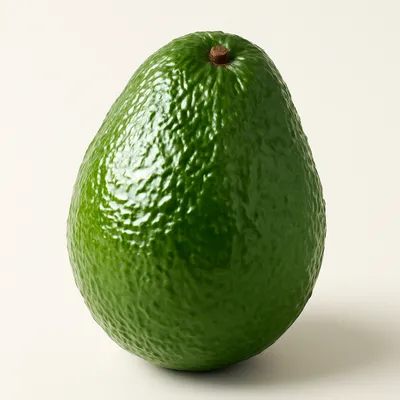


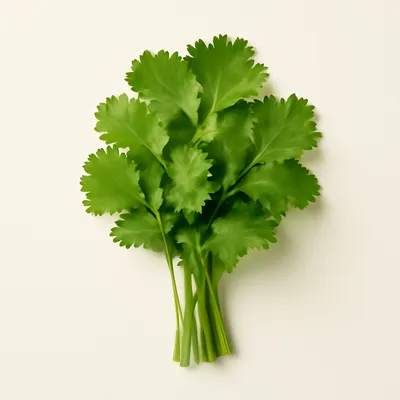

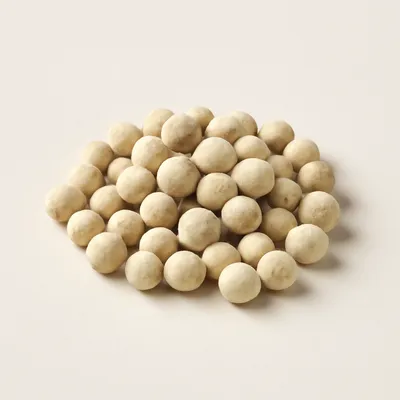
How it's made
8 steps · 35 min active + 40 min waiting
- 127 min
Boil potatoes: peel and quarter 1.2kg yellow waxy potatoes (Yukon Gold or Peruvian Papa Amarilla if available). Boil in salted water 25 min until very tender. Drain; mash through a ricer (best) or with a potato masher into a smooth puree. NO milk or butter — this is a dry mash.
Watch outRice or mash the potato while hot and keep it bone-dry — no milk, no butter — or the mash goes gluey and won't hold a clean layer.
- 226 min
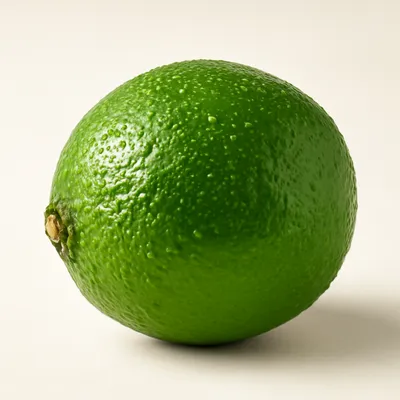
Make causa base: while warm, mix the mashed potato with 3 tbsp ají amarillo paste + 1/2 cup fresh lime juice + 1/4 cup neutral oil + 1 tsp salt + 1/2 tsp white pepper. Knead by hand 5 min until completely smooth, intensely yellow, and slightly elastic — the texture should resemble play-dough. Taste; adjust lime + salt (should taste bright-acidic, NOT bland). Refrigerate 20 min to firm.
Watch outKnead until the mash is smooth and stretches like play-dough and tastes bright with lime — flat, under-limed potato is the classic miss.
- 38 min
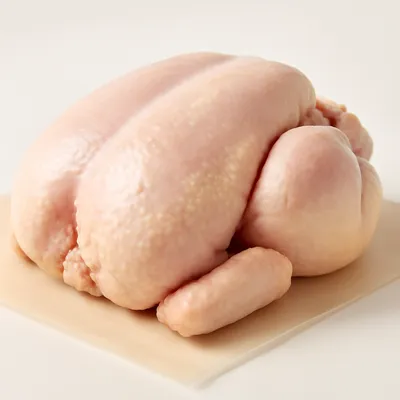
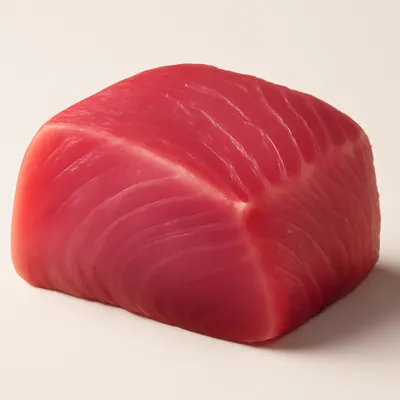
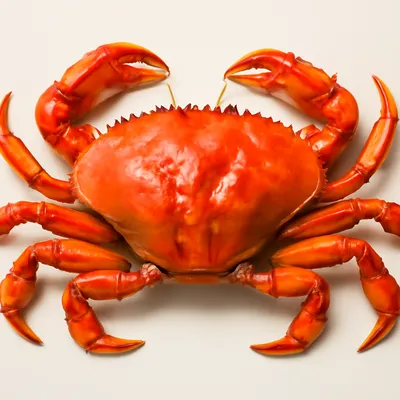
Choose your filling: classic chicken (250g cooked shredded chicken + 1/4 cup mayonnaise + 1 tsp Dijon mustard + 2 tbsp finely chopped onion + 1 tbsp lime juice + salt + pepper); OR tuna (250g good-quality canned tuna in oil, drained + 1/4 cup mayonnaise + 1 tbsp finely diced celery + 1 tbsp finely diced red onion + lime + salt); OR crab (250g lump crab + 1/4 cup mayonnaise + 1 tsp lime zest + 1 minced jalapeño + salt). Mix gently.
- 44 min
Slice 1 ripe avocado into 5mm slices; sprinkle with lime juice to prevent browning. Slice 2 hard-boiled eggs into rounds.
- 512 min
Assemble in a small loaf pan or ring mold (15x10cm): line with plastic wrap (overhanging the edges). Press 1/3 of the causa potato into the bottom in an even layer (about 2cm thick). Spread half the filling over the potato. Layer half the avocado slices. Press another 1/3 of the causa potato over the avocado. Spread remaining filling. Layer remaining avocado. Top with the final 1/3 of causa potato, pressing firmly. Smooth the top.
Watch outPress each potato layer firm and even against the fillings so no air gaps remain — gaps make the terrine crumble when you unmold.
- 632 min
Wrap the plastic wrap over the top; press a flat object on top to compress; refrigerate 30 min to firm.
- 74 min
Unmold: lift the plastic wrap edges to remove the causa from the mold; place on a serving platter; remove plastic. Smooth the sides with a wet knife if needed.
- 87 min
Garnish the top with sliced hard-boiled eggs + sliced black olives + a sprig of cilantro + a wedge of lime. Slice with a hot knife (run under hot water, dry, slice — gives clean slices) into 6 pieces. Serve cold as a starter, with extra ají amarillo sauce or salsa criolla on the side.
Watch outDip the knife in hot water and wipe it dry between cuts — a hot clean blade gives sharp layered slices instead of a smeared mess.
Archive tool suggestions — not reviewed
These legacy suggestions have not been evidence-reviewed and are not presented as required tools.