Hamburg seafarer's corned-beef hash — boiled potatoes mashed with corned beef, beetroot, onion and pickled gherkin into a vivid pink hash, topped with a fried egg, rolled-up pickled herring (Rollmops) and pickled gherkin alongside — the iconic North Sea sailor's meal made famous in Hamburg.




Labskaus is the iconic sailor's dish of Northern Germany — Hamburg, Bremen, Kiel, and across the North Sea-Baltic coast. The name's origin is uncertain; the most-cited theory traces it to the English sailors' term 'lobscouse' (a one-pot stew), the same root behind the Liverpudlian nickname 'Scousers'. The dish was originally a way to extend tough corned beef (Pökelfleisch) on long sea voyages by mashing it with potatoes; sailors had limited fresh vegetables, but pickled beetroot, gherkins, and rolled herring (Rollmops) kept for months in barrels. By the 18th century, Labskaus had spread from sea ports to Hamburg working-class taverns. The dish's vibrant pink color (from beetroot juice) is the visual signature. The traditional accompaniments — fried egg, rolled herring, gherkins — are non-negotiable; a Labskaus without all three is incomplete. Modern Hamburg restaurants serve it as a regional showpiece; many tourists are shocked by the pink color but won over by the savory-tangy-fatty flavor combination.
Labskaus on a plate is a Hamburg seamen's still-life: vivid pink mash heaped in the center, a sunny-side-up egg yellow-and-white perched on top, a coil of silver-pink rolled herring beside, a green-and-yellow gherkin alongside. The first forkful — mash + egg yolk piercing through + Rollmops + gherkin all at once — is the canonical Hamburg taste. The pink mash tastes of salty corned beef + earthy beetroot + tangy gherkin + sharp mustard + buttery potato. The runny egg yolk binds everything. The pickled herring's vinegar tang resets your palate. The gherkin adds crunch. This is hash elevated to art by 200 years of sailor-and-Hanseatic refinement. Two bites in, the pink color stops being shocking.
Labskaus's vivid pink color comes from beetroot pigment (betanin) — a water-soluble pigment that bleeds dramatically into the mashed potato, staining it permanently. The dish was originally created without beetroot (just corned beef + potatoes); the beetroot was added in Hamburg in the 19th century and stuck. The fried egg, Rollmops, and gherkin accompaniments are not just garnish — they're functional flavor counterpoints to the rich savory hash: egg's fat balances; herring's vinegar cuts; gherkin's crunch contrasts. Corned beef is essential — fresh ground beef would lack the cured tanginess. Canned corned beef from a tin is the authentic seafarer's choice; the British 'Bully Beef' or American 'Spam' alternative are acceptable substitutes.
Variations
Hamburg canonical with Rollmops + fried egg + gherkin; Bremen variant adds chopped salted herring (Matjes) inside the mash itself; Kiel-Schleswig-Holstein version uses cured cured beef (Schinken) instead of corned beef; modern restaurants serve a 'Vegetarisches Labskaus' using beets + smoked tofu (acceptable but loses naval identity); commercial canned Labskaus exists (Erasco brand) but lacks the freshness; the dish travels well — Northern German fishermen still eat Labskaus on long fishing trips; the pink color is so distinctive that tourists often photograph it before eating.
On the Palate
Where Labskaus sits in the German flavor cloud
Mash the potatoes chunky, not smooth, and fold in the beetroot brine last so the hash goes vivid pink without turning to glue.
Ingredients
Serves 4



How it's made
9 steps · 45 min active + 15 min waiting
- 122 min
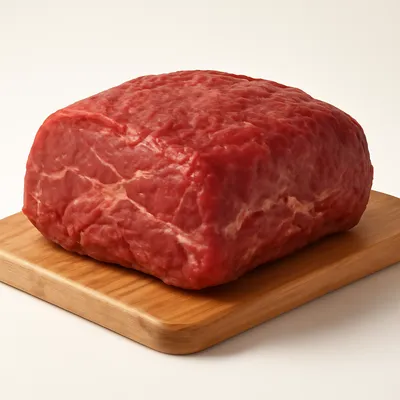
Peel and dice 600g floury potatoes into 3cm cubes. Boil in salted water 20 min until tender. Drain; return to the hot pot.
- 24 min
Meanwhile, dice 400g pre-cooked corned beef (Pökelfleisch, Corned Beef from a can or deli) into 1cm cubes. (Canned corned beef in tins is the canonical sailor's ingredient — fresh corned beef is acceptable but less traditional.)
- 34 min
Drain 200g cooked pickled red beetroot (Rote Bete eingelegt); dice into 1cm cubes. Reserve 100ml of the beetroot brine for color.
- 44 min
Finely dice 1 large onion + 4 pickled gherkins (Gewürzgurken). Set aside.
- 510 min
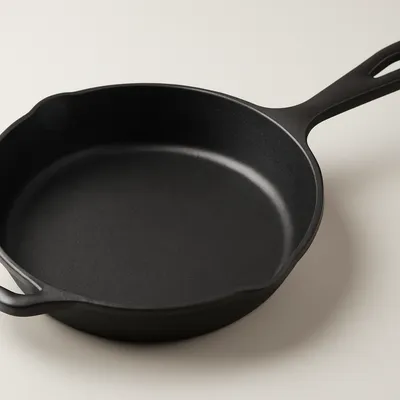
In a wide skillet, melt 50g butter over medium heat. Add the diced onion; sauté 6 min until soft and lightly golden. Add the corned beef cubes; cook 3 min to warm through and lightly crisp the edges.
Watch outOnion soft and lightly golden, then the corned beef edges just start to crisp — don't let it dry out.
- 69 min
Mash the boiled potatoes with a potato masher (slightly chunky, not smooth puree) directly in the hot pot. Mix in the warm corned beef + sautéed onion + diced beetroot + diced gherkin + 100ml beetroot brine + 1 tbsp Dijon mustard + 1/2 tsp ground white pepper + 1/2 tsp salt. The mixture should turn vivid pink-red from the beetroot brine. Adjust salt and mustard.
Watch outThe mash flushes vivid pink-red the moment the brine goes in — that color is the sign it's done right.
- 75 min
Cover the pot; keep warm over low heat 5 min for flavors to meld.
- 88 min
Meanwhile, fry 4 eggs sunny-side-up in 1 tbsp butter (whites set, yolks still runny). Have ready: 4 Rollmops (rolled pickled herring fillets — sold at German delis in jars), 4 whole pickled gherkins, and 4 small piles of crispy chopped chives.
Watch outWhites fully set but yolks still liquid — the runny yolk is meant to sauce the hash.
- 98 min
Plate: heap a generous portion of pink Labskaus mash on each plate. Place a fried egg on top of the mash; rest a Rollmops alongside (or on top); place a pickled gherkin alongside. Garnish with chopped chives. Serve immediately with a cold dark beer (Bockbier or Hamburg Pilsener) or a shot of icy Aquavit.
Archive tool suggestions — not reviewed
These legacy suggestions have not been evidence-reviewed and are not presented as required tools.