
Linsen mit Spätzle und Saiten is the most distinctively Swabian dish in all of German cuisine — found in every Swabian Wirtshaus, every Swabian family kitchen, and frequently mentioned in Swabian folk songs and proverbs. The phrase 'Linsen mit Spätzle' (lentils with Spätzle) is shorthand for 'Swabian cuisine' itself. The dish was traditionally eaten on Fridays — the Catholic meatless-day convention required either fish (expensive) or a meatless main; lentil stew filled the bill. The 'Saiten' (Swabian for 'strings' — thin emulsified sausages in sheep casing, the Swabian name for Vienna-style sausage (Wiener Würstchen)) were added as an optional indulgence for non-Catholic Swabians or non-Friday meals. The dish exemplifies Swabian thrift-and-resourcefulness: lentils stored well, vinegar made the dish sour and palate-clearing, Spätzle stretched the meal to feed a family, Saiten added meat when affordable. Today every Swabian family has its own ratio of lentil-to-vinegar, and arguing about whose mother made the best Linsen mit Spätzle is a regional pastime.
Linsen mit Spätzle und Saiten is a complete Swabian story on a single plate: lentils still slightly al-dente in a vinegary-bacon-sweet sauce, golden buttered Spätzle providing carb-y comfort, sliced Saiten adding mild-pork-fat punctuation. The sour-sweet balance is the dish's identity — every spoonful tells you 'this is Swabian, not Bavarian or Berliner.' The bacon bits crunch occasionally; the Spätzle absorbs sauce; the Saiten are juicy. Apfelwein (apple wine) cuts the richness and matches the vinegar character. After a bowl of this on a cold Friday night in Stuttgart, you understand why Swabians never moved away.
Green or brown lentils (NOT red split) are essential — these varieties hold their shape during long cooking; red lentils dissolve into a smooth puree, which is wrong for this dish. The vinegar (added late, after lentils are cooked) doesn't tenderize but rather brightens; adding vinegar early would prevent lentils from softening (acid hardens legume skins). The Mehlschwitze thickens the broth into a sauce that coats Spätzle without pooling. The Saiten add fat and meat protein that make the dish satisfying rather than meatless-stew.
Variations
Stuttgart canonical with green lentils + Saiten + buttered Spätzle; some Swabian families use brown lentils for richer flavor; Friday-meatless versions skip Saiten and add more vegetables; modern restaurants sometimes use confit duck instead of Saiten (delicious but not authentic); commercial pre-cooked lentil stew + Spätzle exists as a quick-meal product (acceptable for weeknight prep); the dish must have noticeable vinegar character — if it tastes only of lentils, the vinegar wasn't enough.
On the Palate
Where Linsen mit Spätzle und Saiten sits in the German flavor cloud
Ingredients
Serves 4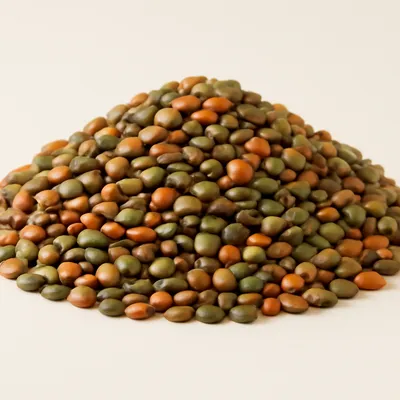











How it's made
10 steps · 50 min active + 40 min waiting
- 13 min
Rinse 300g green or brown lentils (the small lens-like Le Puy or Pardina varieties are best; avoid red split lentils which dissolve) under cold water; pick out any stones. Drain.
- 28 min
In a heavy pot, dice 100g smoked bacon (Bauchspeck) into 0.5cm cubes; cook in the pot over medium heat 6 min until fat is rendered and bacon is crisp. Lift out crispy bacon bits; reserve.
- 39 min
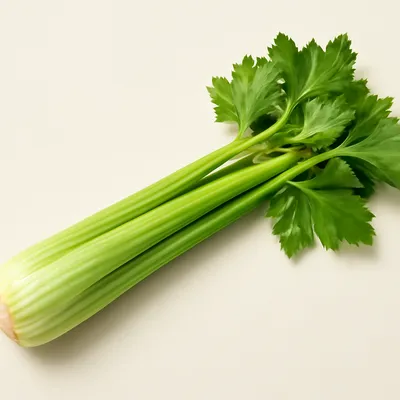
In the rendered bacon fat (add 1 tbsp oil if needed), sauté 1 finely diced onion + 1 finely diced carrot + 1 finely diced celery stalk + 3 minced garlic cloves, 8 min until soft and golden.
- 44 min
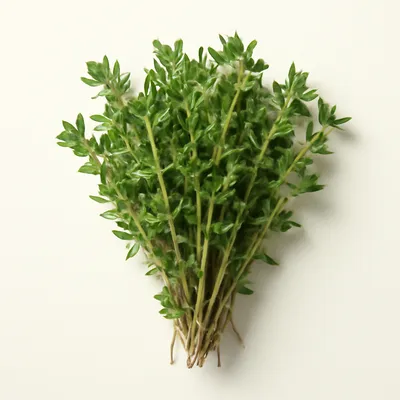
Add 2 tbsp tomato paste; stir 1 min to bloom. Add the lentils + 1L beef broth (or vegetable broth) + 2 bay leaves + 1 sprig fresh thyme + 1 tsp salt + 1/2 tsp black pepper.
- 539 min
Bring to a boil; reduce heat; simmer covered partially 35-40 min until lentils are tender but still hold their shape (don't overcook to mush).
Watch outStop simmering the lentils when they are tender but still hold their shape, not collapsed to mush.
- 611 min
Make Mehlschwitze (small roux): in a separate small pan, melt 30g butter; whisk in 2 tbsp flour; cook 3 min over low heat until pale golden. Whisk in 1 ladle of hot broth from the lentils to make a smooth paste; pour back into the lentil pot, whisking to integrate. Simmer 5 min more — sauce will thicken slightly.
Watch outCook the roux until pale golden, then whisk in hot broth until it's smooth before it goes back.
- 74 min
Add 4-5 tbsp red wine vinegar (start with 4, add more to taste — the dish should be noticeably sour) + 1 tsp sugar to balance. Stir in the reserved crispy bacon bits.
Watch outAdd vinegar to taste — the finished stew should read clearly, pleasantly sour.
- 813 min
Meanwhile cook Spätzle: bring a large pot of salted water to boil. Either make fresh Spätzle (250g flour + 2 eggs + 100ml water + salt, pressed through a Spätzlepresse into boiling water) or use store-bought (cook per package). Drain. Toss with 2 tbsp butter in a hot pan to lightly brown.
- 96 min
Cook Saiten: heat 1 tbsp oil in a skillet; sauté 8 Saiten (Swabian thin sausages, or substitute with Frankfurters or Wieners cut in half lengthwise) 5 min until golden-brown.
- 103 min
Plate: spoon a generous portion of buttered Spätzle on each plate; ladle the lentil stew alongside; top with 2 Saiten per portion. Garnish with chopped parsley. A glass of crisp Swabian Trollinger or Apfelwein is the canonical pairing.
Archive tool suggestions — not reviewed
These legacy suggestions have not been evidence-reviewed and are not presented as required tools.

A heavy, single-piece cast iron pan, 25-30 cm across, weighing 1.5-2.5 kg. Once preheated, the thick mass holds 230°C+ even when a cold steak hits the surface — that's the secret to a deep crust. A well-seasoned skillet (multiple thin layers of polymerized oil baked into the iron) is essentially nonstick, gets better with use, and lasts a century. Lodge skillets from Tennessee have been in continuous production since 1896.

Hand-held wire loop tool for beating eggs, whipping cream, emulsifying dressings, and incorporating air into batters. Balloon whisks (large round head) for whipping cream and meringues; French whisks (narrow tear-drop) for sauces in pots; flat whisks (gravy) for pan sauces. Stainless steel is universal; silicone-coated for non-stick pans.


