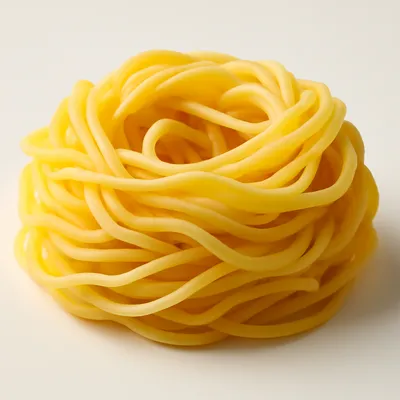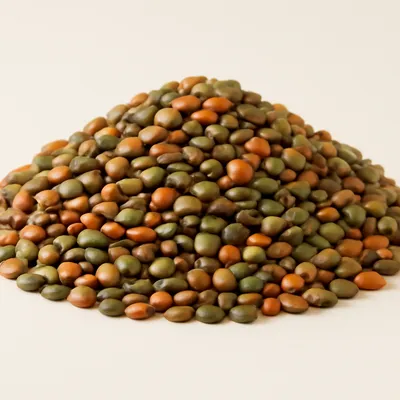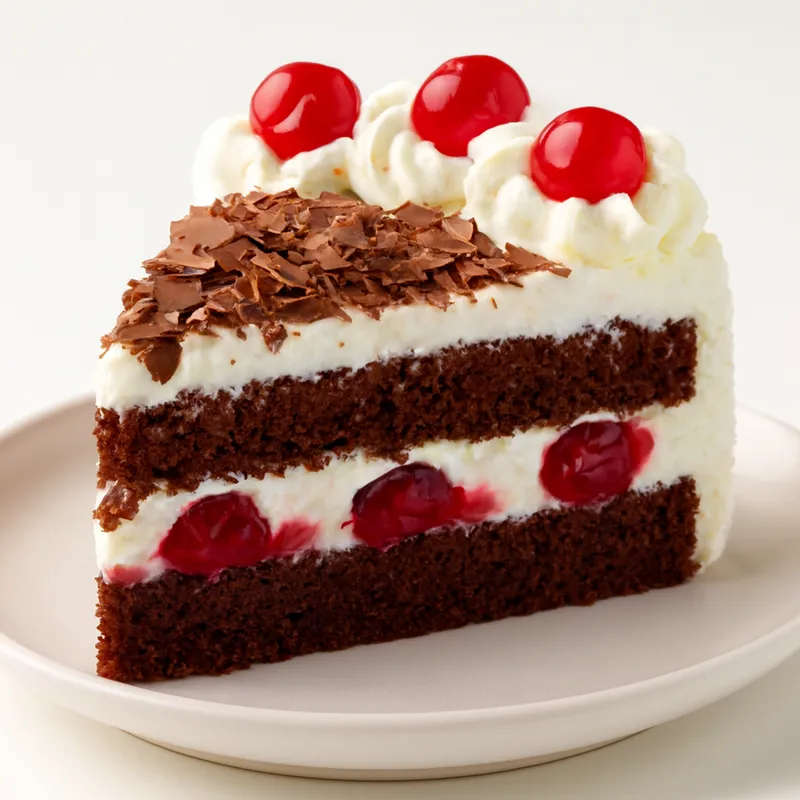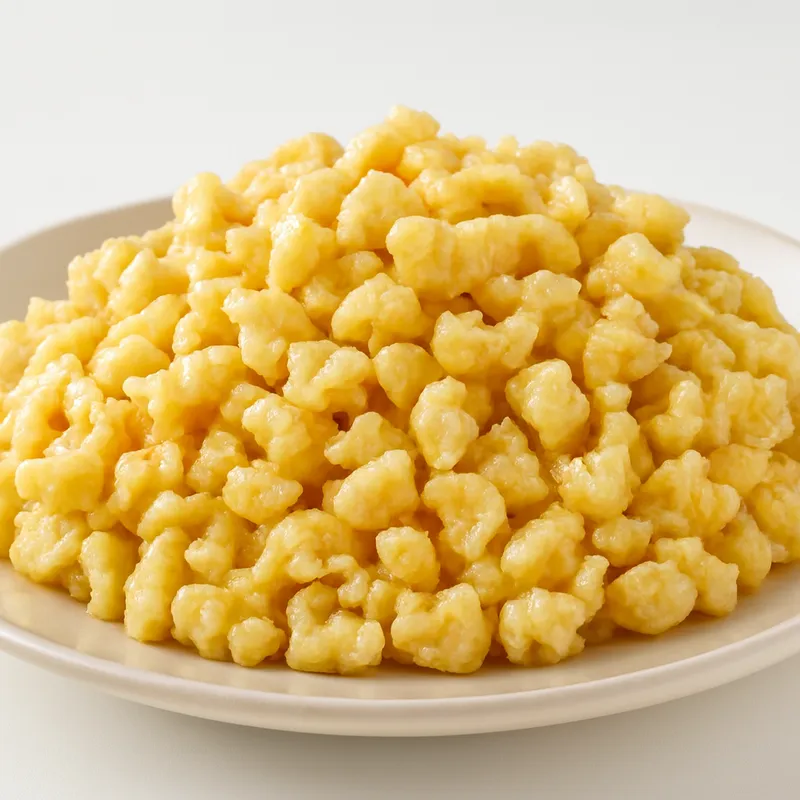
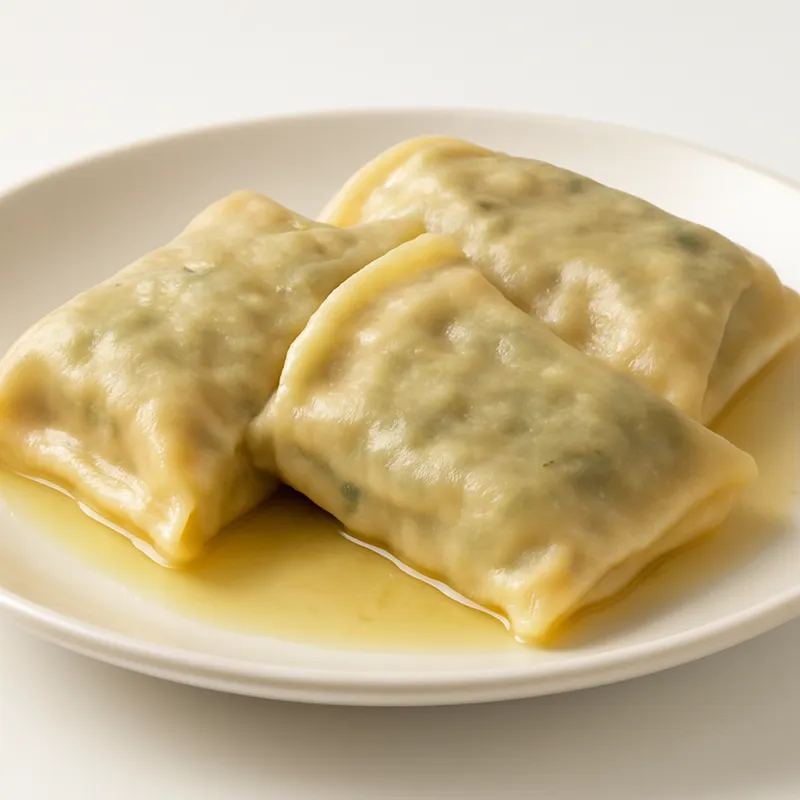
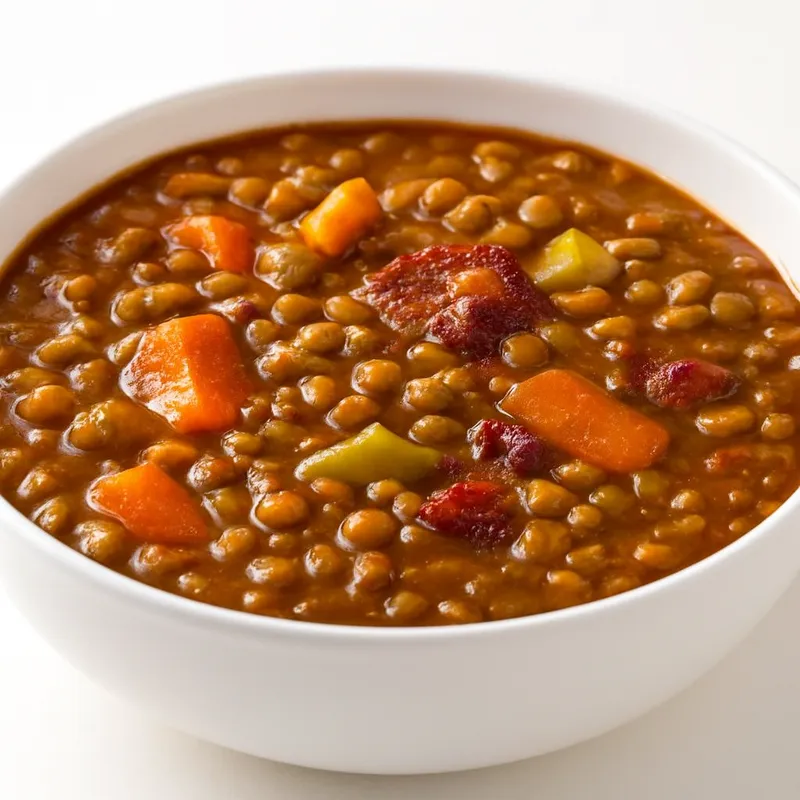
SpätzleMaultaschenLinsen mit Spätzle und SaitenFlädlesuppe
Germany / Baden-Württemberg (Stuttgart, Black Forest)

Swabian

Spätzle, Maultaschen, sour lentils — Baden-Württemberg's pasta-and-onion kitchen.

15 dishes · 76 ingredients · 11 techniquesReference
Signature·Dish

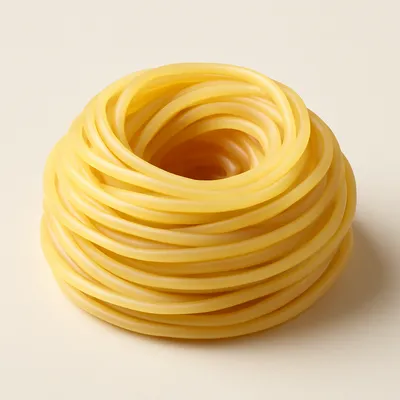
Spätzle

A type of soft egg noodle or dumpling served as a side dish

View page →

Swabian cuisine — from Stuttgart, Tübingen, Ulm, and the Black Forest — is Germany's pasta tradition. Where Bavarian cuisine is sausage-and-beer, Swabian cuisine is Spätzle (the egg-rich short noodle that's served alongside almost every Swabian main dish), Maultaschen (Germany's only large stuffed pasta), and the dense Schwäbische Rostbraten + Röstzwiebeln combination. The Swabian dialect for food is so distinctive that you can identify a Swabian by their pronunciation of 'Spätzle' (with a long 'zhuh' sound).

Swabian dishes have a defining tendency toward sour-tangy flavors: Saure Kutteln (sour tripe), Linsen mit Spätzle und Saiten (sour lentils with sausages), Wurstsalat (vinaigrette-dressed sausage salad). The acidity is the Swabian palate marker. Black Forest specialties (Schwarzwälder Kirschtorte cherry cake, Schwarzwälder Schinken cured ham) add forest-fruit and smoke to the regional kitchen. The 'Flädle' egg-crepe is universally added to broth (Flädlesuppe) as the canonical Swabian first course.

Start Here

Spätzle

Press fresh dough through a Spätzle press directly into boiling water — the irregular shapes are the signature.

Why start here · Spätzle is Swabian DNA in noodle form — the side dish for almost every Swabian main meal.

Maultaschen

Maultaschen literally means 'mouth pockets' — the Swabian solution for hiding meat during Lent.

Why start here · Maultaschen is Germany's only major stuffed pasta tradition — the Swabian answer to ravioli.

Linsen mit Spätzle und Saiten

Use green or brown lentils (NEVER red split) — green lentils hold their shape during the long simmer.

Why start here · Linsen mit Spätzle is the most distinctively Swabian dish — the phrase itself means 'Swabian cuisine.'

The Pantry

See all 76 ingredients

How They Cook

Techniques that define this cuisine

See 7 more techniques

Kindred Kitchens

Cuisines built on the same signature ingredients

Other regions

Siblings within German — each its own tradition.
Bavarian
21

Munich-Bavaria-Alpine kitchen — the most-internationally-known German regional cuisine. Sausages (Weisswurst, Bratwurst, Leberkäse, Schweinshaxe), beer (the Reinheitsgebot heritage), dumplings (Knödel, Maultaschen), pretzels (Brezel), and Alpine dairy (Obatzda).

Northern German
18

Hanseatic and North Sea kitchen — fish-heavy (Labskaus, Matjes, Fischbrötchen, Pannfisch), winter-vegetable-and-sausage stews (Grünkohl mit Pinkel, Birnen Bohnen und Speck), dark rye breads (Pumpernickel from Westphalia, Roggenbrot). Influenced by maritime trade and Scandinavian neighbors.

Rhineland
16

Working-class Catholic kitchen of the Rhine — Sauerbraten (marinated beef with raisin-Lebkuchen gravy), Himmel un Ääd (apple-and-potato mash with blood sausage), Halve Hahn (cheese-and-mustard rye roll), Reibekuchen (potato pancakes). Westphalia adds Pumpernickel, Pannas, Mettbrötchen. Kölsch and Altbier beer cultures.

Berliner
15

Berlin-and-Brandenburg cuisine carries the Prussian-imperial heritage — Berliner Pfannkuchen, Eisbein, Königsberger Klopse, Currywurst (the post-war Berlin invention), Kassler. Practical, hearty, working-class, with strong East-Prussian influences (the historical Königsberg cuisine).

Hessian
9

Central German cuisine of the Hessen region — Frankfurter Würstchen, Grüne Soße (the famous 7-herb cold sauce), Handkäs mit Musik (the smelly hand-cheese with onion-vinegar marinade), Apfelwein (apple cider wine, the regional drink), Bethmännchen (Christmas marzipan biscuits). Practical, herbal, with a distinct apple-wine drinking culture.

Saxon
7

Eastern German cuisine — Dresdner Stollen (the canonical Christmas fruitcake), Quarkkeulchen (quark-potato cakes), Leipziger Allerlei (Leipzig mixed vegetables), Dresdner Eierschecke (Dresden egg cake), and the quark dessert traditions of the Saxon kitchen.

Franconian
5

Franconia — wine country, carp, Schäufele and Nuremberg gingerbread, distinct from beer-Bavaria.

Saarland
4

Saarland — Schwenkbraten on the swinging grill, potato bakes and Lyoner sausage.

Thuringian
4

Thuringia — the PGI Rostbratwurst and potato Klöße heartland of the German grill.

Palatine
3

The Palatinate (Pfalz) — Saumagen, liver dumplings and wine-country comfort food.

Signature Dishes (15)

Browse all 15 dishes