LabskausFischbrötchenGrünkohl mit PinkelFrikadellen
Germany / Hamburg, Bremen, North Sea coast

Northern German

Labskaus, Matjes, Fischbrötchen — Hanseatic North Sea fish kitchen.

8 dishes · 50 ingredients · 10 techniques
Signature·Dish

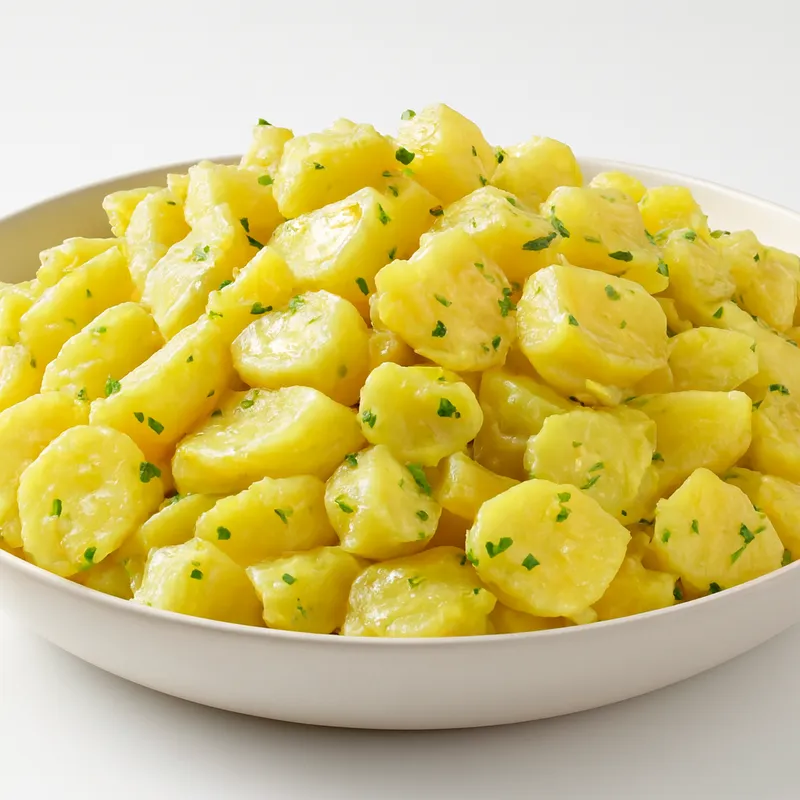
Kartoffelsalat

A salad made from boiled potatoes, often mixed with vinegar and oil

View page →

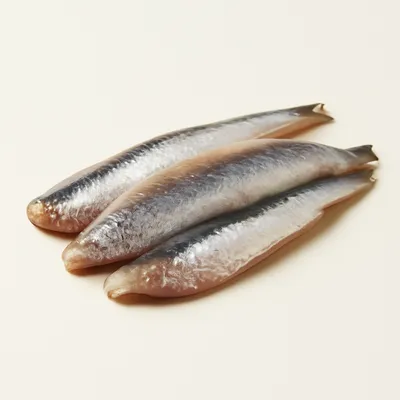
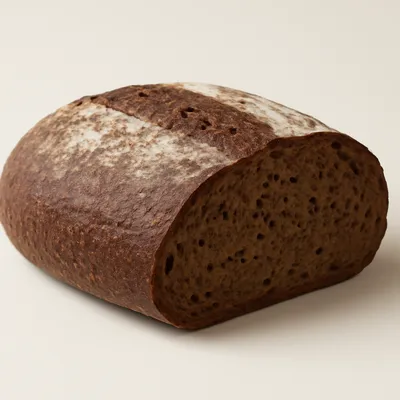
Northern German cuisine — Hamburg, Bremen, Schleswig-Holstein, Lower Saxony, Mecklenburg-Vorpommern — is Germany's maritime food region. The defining ingredients are North Sea fish (mackerel, herring, cod, North Sea shrimp), wintering vegetables (curly kale, beets, cabbage), dark rye bread (Pumpernickel from Westphalia, Roggenbrot), and Hanseatic trade goods (smoked salmon, cured meats, exotic spices). The cuisine has visible Scandinavian, Dutch, and English influences from the Hanseatic League's centuries of trade.

Signature dishes are unmistakably maritime: Labskaus (the corned-beef-and-potato seamen's hash with the iconic pink color from beetroot), Matjes (Hanseatic mild-cured young herring), Fischbrötchen (the Hamburg harbor fish sandwich), and Grünkohl mit Pinkel (the Bremen winter kale-and-sausage feast). Crisp Pilsner beers and Aquavit shots are the canonical pairings. The cuisine has a directness and lack of ornament that reflects the practical character of the harbor cities — food meant to fuel sailors and dock workers, not impress dinner guests.

The Palate

HeatRichnessComplexityFermentFreshness

Start Here

Labskaus

The pink color comes from beetroot — embrace it, don't substitute.

Why start here · Labskaus is the most distinctive Hamburg dish — the seafarer's hash that looks shocking but tastes savory-perfect.

Fischbrötchen

Eat standing at Eminönü-style harbor stalls — Fischbrötchen at a sit-down restaurant loses 50% of its character.

Why start here · Fischbrötchen is the iconic Hamburg street food — 5 fish-fillet varieties on a small bread roll, harbor-fresh.

Grünkohl mit Pinkel

The kale must be frost-touched — without proper cold exposure, the kale is bitter and tough.

Why start here · Grünkohl mit Pinkel is the Bremen winter feast — a full-table communal meal that defines a North German Sunday.

The Pantry

See all 50 ingredients

How They Cook

Techniques that define this cuisine

See 6 more techniques

Signature Dishes (8)

Other regions

Siblings within German — each its own tradition.

Bavarian
14

Munich-Bavaria-Alpine kitchen — the most-internationally-known German regional cuisine. Sausages (Weisswurst, Bratwurst, Leberkäse, Schweinshaxe), beer (the Reinheitsgebot heritage), dumplings (Knödel, Maultaschen), pretzels (Brezel), and Alpine dairy (Obatzda).

Swabian
10

Germany's pasta tradition — Spätzle (the egg-rich short noodle), Maultaschen (Germany's only large stuffed pasta), and Schwäbischer Rostbraten with crispy Röstzwiebeln. Defining tendency toward sour-tangy flavors (Saure Kutteln, Linsen mit Spätzle und Saiten). Black Forest contributes the famous Kirschtorte.

Berliner
9

Berlin-and-Brandenburg cuisine carries the Prussian-imperial heritage — Berliner Pfannkuchen, Eisbein, Königsberger Klopse, Currywurst (the post-war Berlin invention), Kassler. Practical, hearty, working-class, with strong East-Prussian influences (the historical Königsberg cuisine).

Rhineland
9

Working-class Catholic kitchen of the Rhine — Sauerbraten (marinated beef with raisin-Lebkuchen gravy), Himmel un Ääd (apple-and-potato mash with blood sausage), Halve Hahn (cheese-and-mustard rye roll), Reibekuchen (potato pancakes). Westphalia adds Pumpernickel, Pannas, Mettbrötchen. Kölsch and Altbier beer cultures.

Saxon
6

Eastern German cuisine — Dresdner Stollen (the canonical Christmas fruitcake), Quarkkeulchen (quark-potato cakes), Leipziger Allerlei (Leipzig mixed vegetables), Dresdner Eierschecke (Dresden egg cake), and the quark dessert traditions of the Saxon kitchen.

Hessian
5

Central German cuisine of the Hessen region — Frankfurter Würstchen, Grüne Soße (the famous 7-herb cold sauce), Handkäs mit Musik (the smelly hand-cheese with onion-vinegar marinade), Apfelwein (apple cider wine, the regional drink), Bethmännchen (Christmas marzipan biscuits). Practical, herbal, with a distinct apple-wine drinking culture.