Bavarian
Beer-garden sausages, dumplings, and white veal — Munich's Catholic-South kitchen.
Bratwurst
A classic German sausage often served with mustard and bread
View page →Bavarian cuisine — from Munich, Nuremberg, Regensburg, and the Alpine villages of southern Germany — is what most people imagine when they think 'German food.' The cuisine is built on three foundations: sausages (Weisswurst, Bratwurst, Leberkäse, Schweinshaxe, Nürnberger Bratwürstchen), beer (the Reinheitsgebot purity law of 1516 was Bavarian, and Bavarian Helles + Weissbier are the world's most-emulated beer styles), and the substantial vegetarian-and-dairy traditions of the Alpine pastoral kitchen (Obatzda cheese spread, Knödel dumplings, Brezel pretzels, Dampfnudel sweet dumplings).
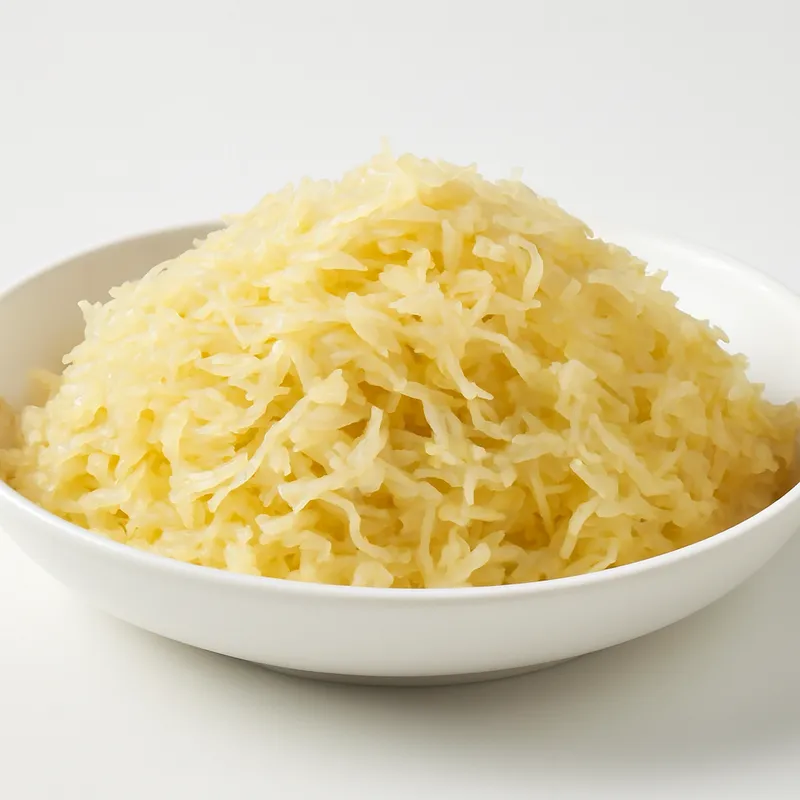
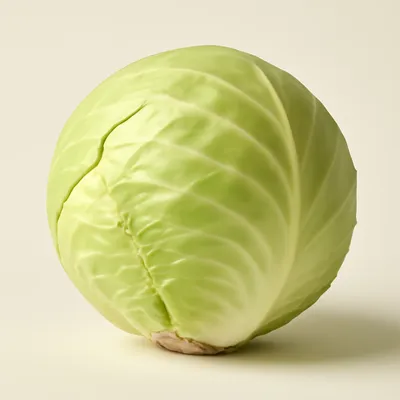
Bavarian dishes share particular flavor signatures: caraway seed (in pretzels, in sauerkraut, in pork), fennel pollen (in Schweinebraten roast pork), sweet mustard (Händlmaier's süßer Senf — paired with Weisswurst), marjoram (in Nürnberger Bratwürstchen), and the use of dark Bavarian beer in braising. The Sunday lunch tradition — Schweinebraten + Knödel + Bavarian red cabbage + Helles beer — is the canonical Munich meal. Modern Bavarian beer gardens serve hundreds of these meals daily.
Start Here
Poach at 75°C, never boil — boiling bursts the delicate sheep casings. Eat only before noon (Bavarian tradition).
Why start here · Weisswurst is Munich's most distinctive dish — the white veal sausage that gives Munich breakfast its iconic look.
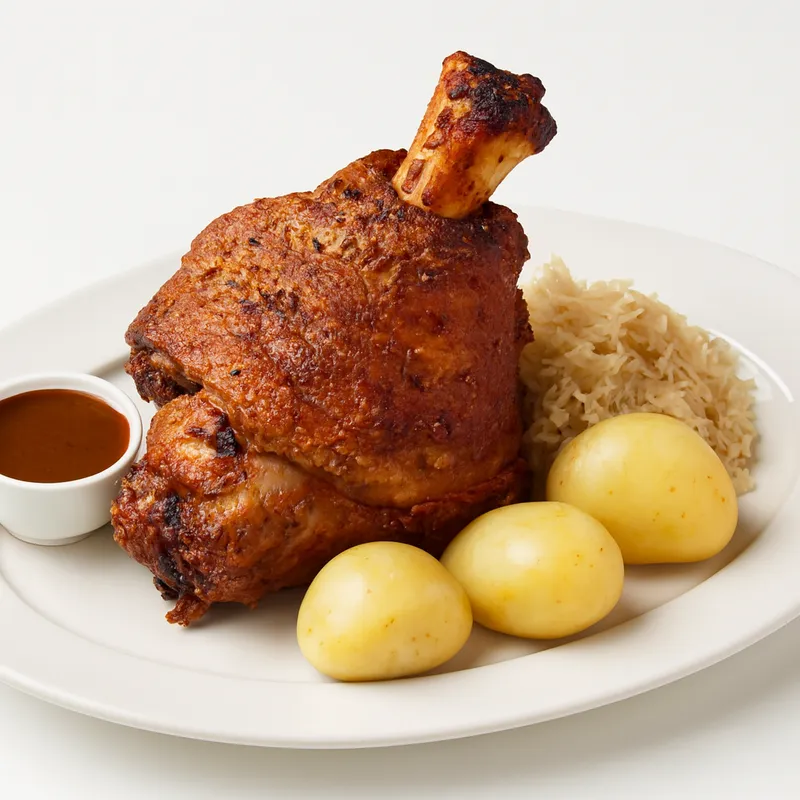
The crackling skin is everything — score it deeply, salt heavily, blast with high heat at the end.
Why start here · Schweinebraten is the centerpiece of every Bavarian Sunday lunch — roast pork with glass-crisp crackling, served with dumplings and gravy.
Use ripe Camembert with the rind — the rind contributes essential texture and flavor.
Why start here · Obatzda is the iconic Bavarian beer-garden snack — what you eat under chestnut trees with a liter of Weissbier.
The Pantry








See all 78 ingredients›






















Grains & Staples



















Other

How They Cook
Techniques that define this cuisine
Kindred Kitchens
Cuisines built on the same signature ingredients
Other regions
Siblings within German — each its own tradition.