



Documented in Bavaria since at least 1776 in the court kitchen of Elector Karl Theodor, who reportedly brought the recipe from the Palatinate. The name confusion is geographic: outside Bavaria, Leberkäse historically did contain liver. Under the German food code (Deutsches Lebensmittelbuch), only products labeled "Bavarian Leberkäse" are permitted to omit liver; elsewhere a minimum liver content applies — it must be the no-liver pork-beef version specifically.
Documented in the 1776 court kitchen of Elector Karl Theodor in Bavaria. The name lies — Bavarian law since the 1980s prohibits liver in anything sold there as Leberkäse. Meat is processed under 12°C with phosphate and ice; warmer than that and the emulsion breaks, baking out a greasy loaf.
A loaf of finely emulsified pork and beef, baked in a bread tin until the top crusts dark brown and the inside stays pale pink. Sliced thick, eaten in a Semmel roll with sweet mustard, or pan-fried as a hot meal with fried egg and potato salad. Despite the name (Leber = liver, Käse = cheese), Bavarian Leberkäse contains neither — it's a marketing artifact.
The texture relies on emulsification: meat is processed cold (under 12°C) with ice, salt, and phosphate to bind water and fat into a uniform paste. Too warm and the emulsion breaks, baking out a greasy, grainy loaf. The dark crust is direct top-heat radiation, not browning agents — Bavarian bakeries traditionally finish under broiler-like top heat for the last 15 minutes. A pale, even-colored Leberkäse was baked too gently.
Variations
Bayerischer Leberkäse (no liver, by law); Stuttgarter Fleischkäse (Swabian variant, must by code contain at least 5% liver); Pizza-Leberkäse (with bell pepper and cheese baked in); Käse-Leberkäse (folded with Emmental cubes); Austrian Leberkäse-Semmel from Vienna's Trzesniewski-style stands.
On the Palate
Where Leberkäse sits in the German flavor cloud
Ingredients

How it's made
5 steps · 1 hour 30 min
- 111 min
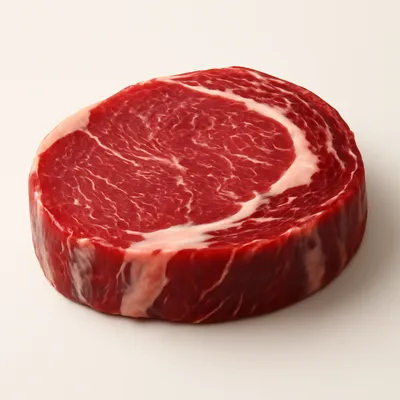
Grind beef and pork together with onion until smooth.
Watch outKeep the meat and bowl ice-cold while grinding — if the paste warms past cold-to-the-touch the emulsion breaks and it bakes out greasy.
- 24 min
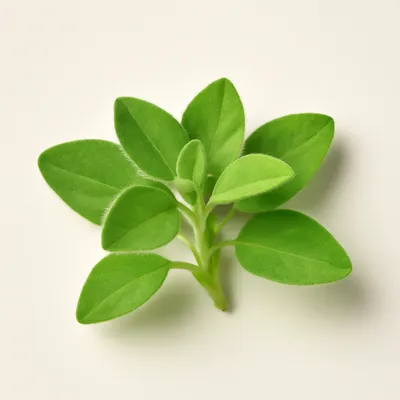
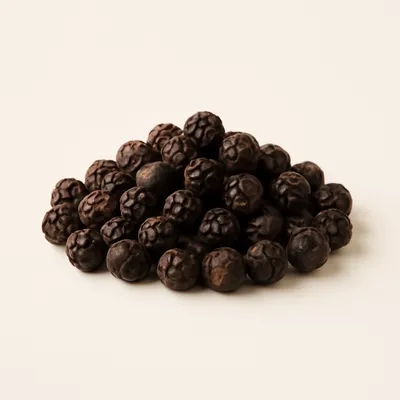
Season with marjoram, mustard, salt, and pepper.
- 311 min
Press the mixture into a loaf pan and smooth the top.
- 455 min
Bake at a moderate temperature until the crust is golden brown.
Watch outFinish under fierce top heat for the last stretch — the dark crust comes from top fire, so a pale even loaf means the oven was too gentle.
- 59 min
Slice and serve hot, traditionally with a sweet mustard.
Archive tool suggestions — not reviewed
These legacy suggestions have not been evidence-reviewed and are not presented as required tools.

