Thuringia's flagship grilled bratwurst — a long pork sausage, roughly 15 to 20cm, seasoned forward with marjoram and bound by a regional spice rule. It is grilled over charcoal until the natural casing blisters and chars, then eaten upright in a crusty roll with a smear of Thuringian mustard. Leaner and longer than the stubby Nuremberg sausage, it is the food the region is named for at every market, fair and backyard grill.




A 2000 archival find turned up a 1404 account entry from the town of Arnstadt that records a Bratwurst, now cited as the earliest documented mention of the sausage in Thuringia; the discovery prompted the founding of a Friends of the Thuringian Bratwurst association in 2006. The grilling-from-a-charcoal-stall habit tracks the region's medieval town markets, where sausages were fast, portable food. Since 18 December 2003 the name Thüringer Rostbratwurst has carried EU Protected Geographical Indication status, which fixes a minimum marjoram-forward seasoning and ties the name to production in Thuringia.
A long, lean pork sausage with a taut natural casing that splits and chars in patches over the coals. The interior is pale, coarsely ground and unmistakably marjoram-led, with caraway and garlic behind it. The casing must snap on the first bite — a soft, pale skin means it was boiled or grilled off-heat. Eaten standing up, the sausage overhanging both ends of a small hard roll, with a stripe of brown Thuringian mustard.
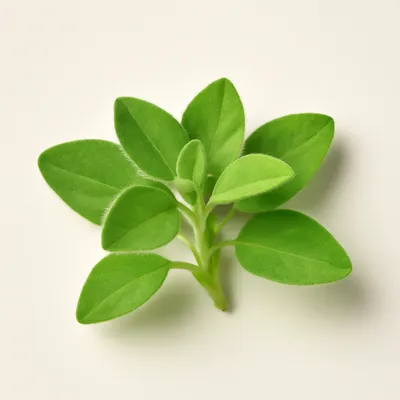
The seasoning is the legal and sensory signature: marjoram leads, not sage, and the PGI specification keeps it that way. The grind stays coarse rather than emulsified, so meat texture reads through the casing. Charcoal matters because the casing browns from radiant heat while smoke aroma works through the natural sheep or pig casing — a heat path gas cannot copy. Lean pork plus a tight casing means the cook has a narrow window: pulled early the skin is rubbery, held too long the lean meat dries.
Variations
The PGI version is longer and leaner than the small marjoram-heavy Nürnberger Rostbratwurst. Within Thuringia recipes shift by household and butcher — caraway and garlic levels vary, and some add a touch of nutmeg or caraway-forward blends. It is most often eaten in a Brötchen with Thuringian mustard, but also plated beside Thüringer Klöße and red cabbage as a sit-down meal; at fairs it shares the grill with Rostbrätel and Mutzbraten.
On the Palate
Where Thüringer Rostbratwurst sits in the German flavor cloud
Ingredients
Serves 4How it's made
6 steps · 25 min active + 15 min waiting
- 115 min
Bring the sausages to room temperature and pat the casings dry so they brown evenly.
- 210 min
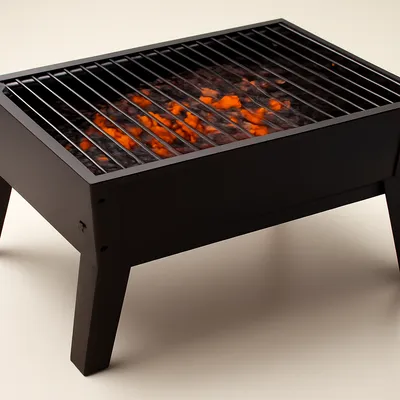
Light a charcoal grill and let the coals burn down to an even, ash-grey glow with no open flame.
Watch outLet the coals burn down to an even ash-grey glow with no open flame — flames scorch the casing black before the inside cooks; radiant coal heat browns it evenly.
- 32 min
Lay the sausages over medium heat, turning often with tongs and never piercing the casing.
- 416 min
Grill 12 to 18 minutes until the casing is blistered and patched with char and the sausage is cooked through.
Watch outPull them the moment the casing is blistered and patched with char and the sausage is cooked through — the window is narrow: too early the skin's rubbery, too long the lean meat dries.
- 51 min
Warm the bread rolls at the cooler edge of the grill for the last minute.
- 62 min
Serve each sausage in a hard roll with a stripe of brown Thuringian mustard.
Archive tool suggestions — not reviewed
These legacy suggestions have not been evidence-reviewed and are not presented as required tools.