Soft, spreadable liver sausage — the everyday German Streichwurst smeared thick on bread. It is built mostly from pork and pork fat with a smaller share of liver, typically around a tenth to a fifth, which is enough to give the gentle, faintly sweet liver taste; onion, marjoram, allspice and pepper round it out. The paste is cooked in the casing until set, then spread cold. Coarse country styles sit beside fine, almost mousse-smooth ones, and it anchors the German cold-cut board (Aufschnitt).




Liver sausage grew out of the same thrift as blood sausage — a way to use the liver and soft offal of the slaughtered pig — and was long a plain peasant food across the German lands. By the early 19th century it was established in German cookery as cheap, nourishing fare, and the industrialization of sausage-making later in the century turned it from a local artisan product into a mass-produced staple and export. Despite the name, most Leberwurst is only a minority liver; the liver is a flavoring within a pork-and-fat base. Regional styles diverged, from the fine Bavarian spread to the coarse, robust Pfälzer Leberwurst of the Palatinate.
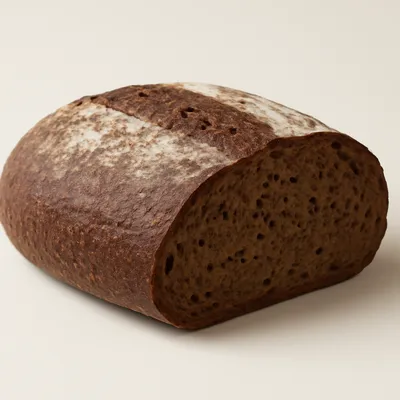
At room temperature Leberwurst is soft and easily spreadable, pale pinkish-grey to tan, with a creamy, fatty body and the unmistakable mild-sweet, faintly mineral liver note kept gentle by the pork around it. Marjoram and allspice give a warm, savory background; onion adds depth. Coarse versions carry small soft chunks; fine ones are smooth as paté. Spread thick on dark rye or a crusty roll, perhaps under a ring of raw onion or a smear of mustard, it is rich, mellow and savory.
Leberwurst is a cooked emulsion of fat and protein in which liver does double duty. The pork and fat are simmered, then ground with raw or lightly-cooked liver; the liver is rich in proteins that, when blended cold, help emulsify the fat into a stable, creamy paste — too much heat on the liver first would deaden both its binding power and its flavor. The paste is filled into casings and gently cooked, often around 78 to 80°C, just until set, so it stays soft and spreadable rather than firm and sliceable. The high fat fraction is deliberate: it carries flavor and gives the smooth, buttery spread, while marjoram and onion temper the liver's mineral edge.
Variations
Texture splits the field: fine, mousse-smooth Leberwurst versus coarse, chunky country styles like the Palatinate's robust, spicy Pfälzer. The liver share and meat vary — pork is standard, calf's-liver Kalbsleberwurst is milder and prized, and the famous smoked Braunschweiger is a related spreadable. Some are smoked for keeping and a deeper flavor; some are studded with bacon or seasoned with thyme, nutmeg or a little brandy. The constant use is the same: a cold spread on bread, the workhorse of the German Aufschnitt board.
On the Palate
Where Leberwurst sits in the German flavor cloud
Ingredients
Serves 10
How it's made
7 steps · 40 min active + 50 min waiting
- 140 min
Simmer the pork and pork fat in lightly salted water until tender, then drain, reserving a little stock.
- 210 min
Trim the liver and cut into pieces; keep it raw or only briefly blanched for best binding.
Watch outKeep the liver raw or only briefly blanched — its cold proteins are what emulsify the fat into a creamy spread; cook it hard first and it loses both its binding power and flavor.
- 310 min
Grind the cooked pork, fat and the liver finely together, with softened onion.
- 48 min
Season the paste with salt, marjoram, allspice and pepper, loosening with a little reserved stock to a smooth, soft consistency.
- 58 min
Fill the mixture loosely into casings and tie into links.
- 645 min
Poach the sausages at about 78 to 80°C for 40 to 50 minutes, just until set; do not boil.
Watch outPoach around seventy-eight to eighty degrees, just until set — never a boil; boiling breaks the emulsion and the sausage turns grainy instead of spreadable.
- 730 min
Cool completely, then chill; serve at room temperature, spread thick on dark bread.
Archive tool suggestions — not reviewed
These legacy suggestions have not been evidence-reviewed and are not presented as required tools.



