A whole gutted fish, traditionally mackerel or trout, marinated in oil, garlic and spices, skewered lengthwise on a long stick and grilled upright over wood embers until the skin chars and crisps. The name comes from the Bavarian word for 'little stick.' Brushed with the marinade as it cooks, the fish stays moist inside while the skin blackens. It is wrapped in paper and eaten by hand with a pretzel or bread roll and a squeeze of lemon — an icon of the Munich Oktoberfest and of Bavarian beer gardens by the lakes and rivers.





Grilling whole freshwater fish on a stick over a fire is an old habit of Bavarian, Austrian and Franconian fishermen, who cooked their catch streamside the simple way. The dish became a fairground food through the Munich Oktoberfest: a local fish merchant is credited with introducing organized Steckerlfisch grilling to the fair in the early 20th century, around 1902, after which beer halls and gardens around Bavaria's well-stocked lakes and rivers took up the hunter-style preparation to serve alongside cold beer. The Oktoberfest cemented its fame, and dedicated fish tents grill rows of skewered fish over open coals to this day. Coregonus and other local whitefish were the original fish; trout, char and oily mackerel are now common.
Pulled off the coals, the fish is a blackened, blistered length on a stick, skin crackling and smelling of smoke and garlic. The charred skin shatters; underneath the flesh is hot, juicy and just-set, flaking off the bones in pale curls. Lemon cuts the oily richness of the mackerel. There is no plate, no cutlery convention — you tear the fish off the stick with your fingers, alternating with bites of soft pretzel and pulls of cold wheat beer. Salt, smoke, char and fat: blunt, hearty, outdoor food.
The fish is butterflied or kept whole and threaded onto a stick that runs the length of the body, sometimes with a cross-spreader to hold the cavity open so heat reaches the inside. Cooking is by radiant heat beside the embers, not directly over flames — the fish is angled close to glowing coals so the skin dehydrates and chars (Maillard browning and crisping of the skin fat) while the interior cooks through gently without scorching. Repeated brushing with the oil-garlic marinade bastes the skin, helping it crisp and carrying spice into the surface. Oily fish like mackerel suit the method because their fat keeps the flesh moist over the fierce dry heat; lean fish dry out faster and need closer watching.
Variations
Mackerel is the classic Oktoberfest fish for its oiliness; trout and char are the favored freshwater choices, with coregonus (whitefish) the historic one. Marinades vary from a simple oil-salt-garlic rub to mixtures with paprika, caraway, parsley and lemon. The same upright stick-grilling is found across the Austrian Alps and in Franconia. It is almost always eaten as street and fairground food with a pretzel and beer, rather than plated at table.
On the Palate
Where Steckerlfisch sits in the German flavor cloud
Ingredients
Serves 2How it's made
7 steps · 30 min active + 1 hour waiting
- 110 min
Gut and clean the whole fish; pat dry inside and out.
- 25 min
Mix oil, crushed garlic, salt, paprika and parsley into a marinade.
- 360 min
Coat the fish inside and out and let it marinate at least 1 hour.
- 45 min
Thread the fish lengthwise onto a long soaked wooden stick, using a cross-spreader to hold the cavity open if you have one.
- 55 min
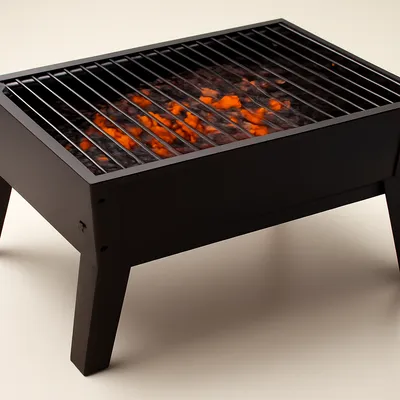
Set up a bed of glowing wood embers; stand or angle the fish close beside the coals, not directly over flames.
Watch outAngle the fish close beside the embers, not over open flames — radiant side-heat dries and crisps the skin without scorching, while flames char it raw inside.
- 623 min
Grill, turning and brushing with marinade, until the skin is dark and crisp and the flesh is just-set, about 20–25 minutes.
Watch outBrush with the oil-garlic marinade as you turn — the basting is what crisps the skin and carries the spice in; stop and the skin dries hard.
- 72 min
Wrap in paper and serve with lemon wedges and a pretzel or bread roll.
Archive tool suggestions — not reviewed
These legacy suggestions have not been evidence-reviewed and are not presented as required tools.