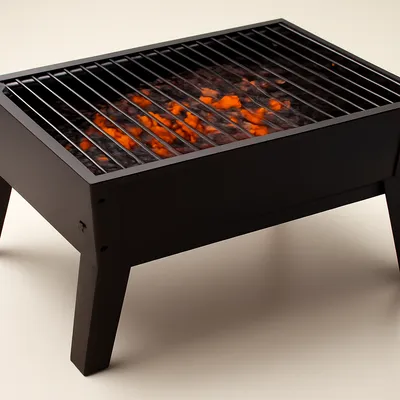
Kontosouvli is large chunks of marinated pork threaded onto a thick spit and slow-roasted over charcoal, turning for hours until the outside is crusted and the inside stays juicy. It is the coarser, festival cousin of souvlaki: where souvlaki uses small cubes on a thin wooden stick cooked fast, kontosouvli uses fist-sized pieces of fatty pork shoulder on a heavy metal spit cooked slow. It is the meat of village feasts, name-day gatherings, and Sunday cook-outs around an open fire.
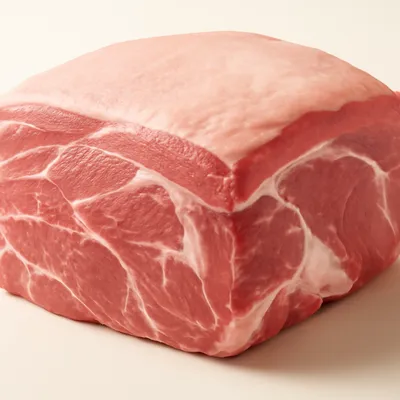



The name comes from the Greek konto (short) and souvla (spit) — the 'short spit' that distinguishes it from the souvla proper, the long spit used to roast a whole lamb or kid. Like much of the Greek grill tradition, kontosouvli belongs to the village: it was the centerpiece of festivals, religious feast days, and communal gatherings, where turning the spit by hand over the coals was itself a social occasion, with people standing around the fire for hours. Today it is grilled at panigyria (village festivals), name-day parties, and Sunday family cook-outs, and is sold by weight at charcoal-grill tavernas across mainland Greece.
Big, irregular chunks with a dark, spice-crusted exterior giving way to soft, fat-laced pork that has basted itself for hours on the spit. The marinade — oregano, paprika, garlic, sometimes mustard or wine — bakes into a savory bark, while the slow turning keeps every face of the meat from drying. You pull a chunk off the skewer and it comes apart with the fork, smoky on the outside, succulent inside, eaten with bread, raw onion, and lemon.
Slow rotation over indirect coals is the core technique: turning the spit constantly bastes the meat in its own rendering fat and lets thick pieces cook through evenly without scorching, while the long exposure to smoke builds the crust and flavor. Fatty pork shoulder (or neck) is chosen on purpose — the marbling melts slowly and keeps the large chunks moist where a lean cut would dry out over the hours on the fire. The acid and oil in the marinade (lemon or wine, olive oil, mustard) tenderize the surface and help the spice rub adhere and brown.
Variations
Pork shoulder is most common, but lamb and chicken are also cooked the same way. Marinades vary widely by household — some lean on oregano and lemon, others add red wine, mustard, paprika, or cumin, and many thread peppers and onions between the meat. The closely related Cypriot souvla uses even larger pieces of pork over a wider charcoal pit and is a Sunday institution on Cyprus. Where no rotisserie is available, cooks approximate it by roasting the skewered chunks in a hot oven.
On the Palate
Where Kontosouvli sits in the Greek flavor cloud
Ingredients
Serves 6


How it's made
5 steps · 40 min active + 4 hours 40 min waiting
- 120 min
Cut pork shoulder into large, fist-sized chunks, leaving the fat on.
- 2240 min
Marinate with olive oil, lemon juice (or wine), garlic, oregano, paprika, mustard, salt, and pepper for at least 4 hours or overnight.
- 320 min
Thread the chunks tightly onto a thick spit, alternating with pieces of onion and pepper if using.
- 4110 min
Roast over a bed of glowing charcoal, turning the spit steadily, for about 1.5-2 hours until deeply crusted and cooked through.
Watch outTurn the spit steadily over the coals so the meat bastes in its own melting fat — stop turning and one side scorches while the other dries.
- 510 min
Rest the meat, then slice or pull off the spit and serve with bread, lemon, and raw onion.
Watch outCook until deeply crusted right through, about 1.5-2 hours — the marbled shoulder needs the long, slow fire to stay moist, not dry lean.
Archive tool suggestions — not reviewed
These legacy suggestions have not been evidence-reviewed and are not presented as required tools.